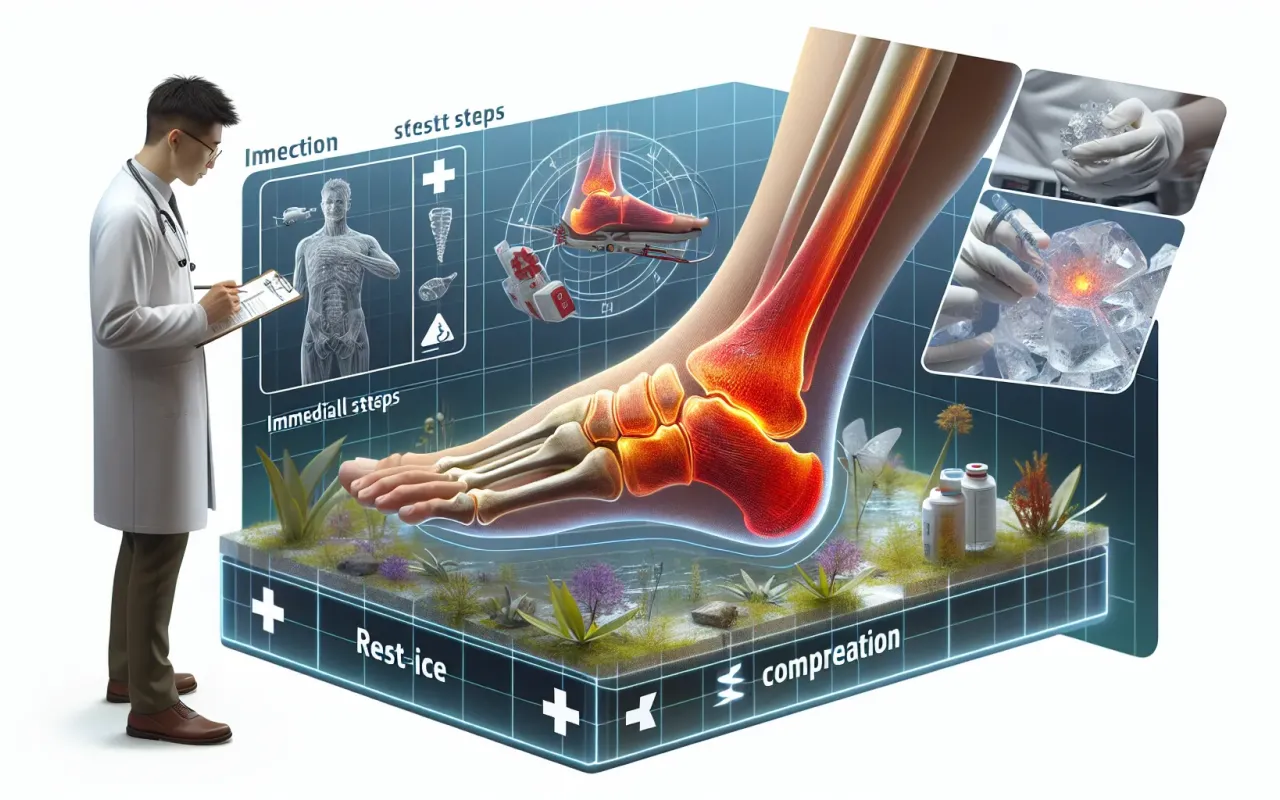
Discover the most effective steps for immediate care for a sprained ankle. Learn how to promote recovery and prevent further injury with expert advice.
- November 19, 2024
AceShowbiz - A sprained ankle is one of the most common injuries, affecting athletes and everyday individuals alike. This article provides essential steps for immediate care for a sprained ankle, helping you to recover quickly and prevent further damage.
Understanding a Sprained Ankle
A sprained ankle occurs when the ligaments that support the ankle stretch beyond their limits or tear. This can happen during activities that involve rapid changes in direction, such as running, jumping, or even simple missteps.
Signs and Symptoms
- Pain and tenderness in the ankle
- Swelling
- Bruising
- Limited range of motion
- Instability or weakness in the ankle
Immediate Steps to Take
Immediate care for a sprained ankle is crucial to reduce pain and swelling, and to begin the healing process. Here are the steps you should take right away:
1. Rest
Stop any activity that caused the injury and avoid putting weight on the affected ankle. Resting helps to prevent further damage.
2. Ice
Apply an ice pack to the injured ankle immediately. Ice helps to reduce swelling and pain. Use an ice pack for 15-20 minutes every 1-2 hours during the first 48 hours after the injury.
3. Compression
Wrap the ankle with an elastic bandage to provide support and minimize swelling. Ensure the wrap is snug but not too tight to avoid cutting off circulation.
4. Elevation
Keep the ankle elevated above the level of your heart as much as possible. This helps to decrease swelling by allowing fluids to drain away from the injury site.
Preventing Further Injury
Following initial care, it's important to prevent further injury and promote proper healing. Here are some additional tips:
Use a Support Brace
Consider using an ankle brace or support to stabilize the injured ankle. This can prevent further strain on the ligaments while they heal.
Engage in Rehabilitation Exercises
Once the pain and swelling have subsided, gradually reintroduce movement through rehabilitation exercises. Focus on gentle range-of-motion, strength, and balance exercises to restore ankle function.
Consult a Healthcare Professional
If the sprain is severe or you experience persistent pain, consult a healthcare provider. They may recommend physical therapy or other treatments to aid recovery.
Long-Term Recovery and Care
After the initial recovery phase, maintaining ankle strength and flexibility is crucial to prevent future sprains. Consider the following long-term strategies:
Regular Strengthening Exercises
Incorporate regular strengthening exercises into your routine to build the muscles around the ankle. Exercises such as calf raises, heel walks, and ankle pumps can be beneficial.
Balance Training
Improve your balance through exercises like standing on one leg or using a balance board. Enhanced stability can help prevent future injuries.
Wear Proper Footwear
Choose appropriate footwear that provides adequate support and cushioning for your activities. Avoid high heels and slippers that offer minimal support.
Conclusion
Immediate care for a sprained ankle is paramount in ensuring a swift recovery and preventing further complications. By following the steps outlined above, you can effectively manage the injury and return to your daily activities with confidence. Always consult a healthcare professional for personalized advice and treatment.