Discover the intricacies of sound healing therapy. Learn how it works, its benefits, techniques, and much more in this beginner's guide.
- November 18, 2024
Sound healing therapy is an ancient practice that has been gaining popularity in modern wellness circles. But how does sound healing therapy work? This comprehensive guide aims to demystify the science and application behind this intriguing form of therapy, providing you with the information needed to understand and possibly explore it yourself.
What is Sound Healing Therapy?
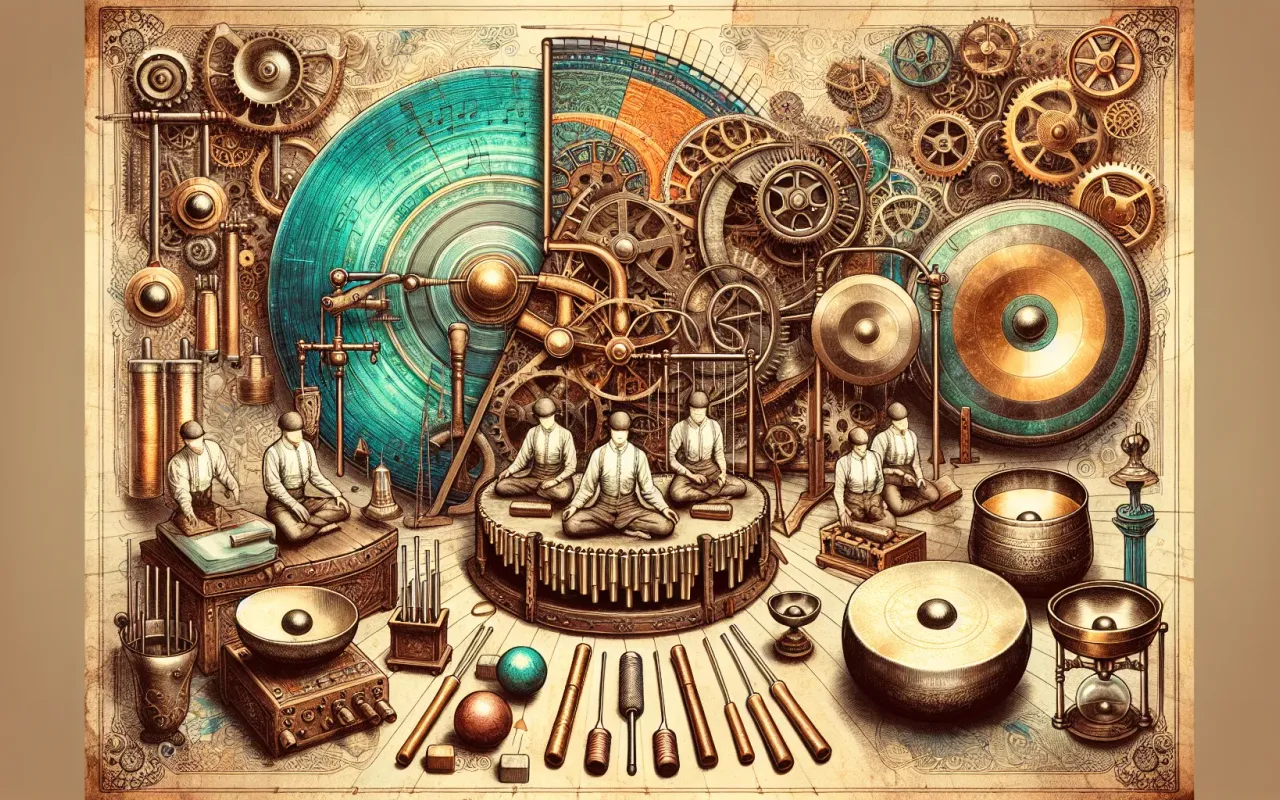
Sound healing therapy uses tonal frequencies to bring the body into a state of harmony and health. Practitioners use various instruments such as tuning forks, singing bowls, gongs, and even the human voice to create sound vibrations. These vibrations are intended to balance emotional, mental, physical, and spiritual aspects of the body.
Historical Background
The use of sound for healing dates back thousands of years and spans across various cultures. Ancient Egyptians used vowel sound chants, while Tibetan monks have long utilized singing bowls. Indigenous cultures, likewise, have incorporated drums and other percussion instruments in their healing rituals.
The Science Behind Sound Healing Therapy
The Principle of Resonance
Sound healing is rooted in the principle of resonance, where each part of the body resonates at a specific frequency. When a body part is out of its natural frequency, it may manifest as illness or discomfort. Sound healing aims to restore these natural frequencies, promoting harmony and well-being.
Brainwave Entrainment
Another mechanism through which sound healing works is brainwave entrainment. Certain rhythmic sounds can influence the brain's activity, encouraging states of deep relaxation, focus, or even altered states of consciousness. Instruments like binaural beats are specifically designed to achieve this effect.
Physiological Effects
Research also indicates that sound therapy can have tangible physiological benefits. It may help lower stress hormones, reduce pain perception, and improve overall mood by altering the autonomic nervous system's activity. Essentially, the therapeutic sounds can engage the body's relaxation response, aiding in overall recovery and stress relief.
Different Techniques of Sound Healing
Vibrational Therapy
In vibrational therapy, instruments like tuning forks and Tibetan singing bowls are placed close to or directly on the body. The resulting vibrations penetrate through tissues, possibly affecting cellular structures and promoting healing.
Binaural Beats
Binaural beats involve playing two slightly different sound frequencies into each ear. This difference in frequencies creates a basis frequency that the brain interprets as a rhythmic beat, potentially aligning brainwaves to desired states such as relaxation or focus.
Mantra and Chanting
The repetitive chanting of mantras can also be a form of sound healing. The vibrations generated by chanting specific sounds are thought to have profound effects on the body and mind, promoting relaxation and emotional balance.
Benefits of Sound Healing Therapy
Stress Reduction
One of the most commonly reported benefits of sound healing therapy is stress reduction. The calming vibrations and frequencies help to deactivate the body's stress response, facilitating relaxation.
Pain Relief
Many individuals find sound therapy effective for pain management. The vibrations can reduce pain perception by distracting the mind or by directly influencing the body's neural pathways.
Improvement in Emotional Well-being
Sound healing therapy can also provide emotional relief. The harmonizing sounds help regulate emotional states and can be particularly beneficial for those suffering from anxiety or depression.
Is Sound Healing Right for You?
While sound healing offers various benefits, it is essential to consult with healthcare providers, especially if you have underlying medical conditions. Complementary therapies like sound healing should not replace conventional medical treatments but can be used alongside them for overall wellness.
How to Get Started with Sound Healing
If you're interested in trying sound healing, many resources are available. Look for certified practitioners in your area or explore online sessions. Various apps and platforms offer guided sessions with different instruments, making it accessible even for beginners.
In conclusion, sound healing therapy is a fascinating and multi-faceted approach to wellness that combines ancient practices with modern science. Although more research is needed, its potential benefits make it worth exploring. From stress reduction to emotional balance, sound healing has something to offer for everyone.