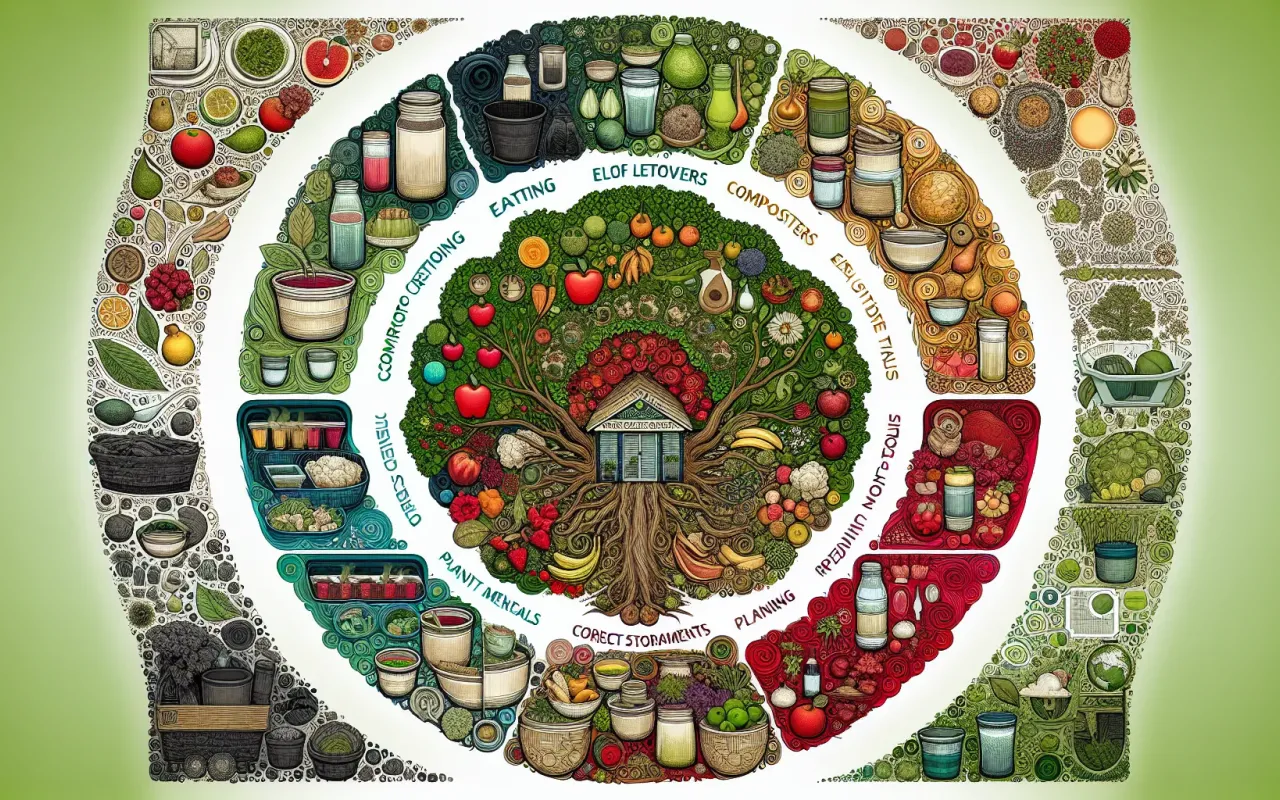
Explore 10 proven reducing food waste tips that can help you save money and contribute to a more sustainable planet. Learn how to minimize food waste effectively.
- November 18, 2024
Introduction
In an era where sustainability is more critical than ever, reducing food waste is a key area where individuals and households can make a significant impact. By implementing practical strategies to minimize food waste, not only can you save money, but you can also contribute to a healthier planet. This article presents ten proven reducing food waste tips that are both effective and easy to integrate into your daily routine.
1. Plan Your Meals
One of the most efficient ways to cut down on food waste is to plan your meals. By mapping out what you will eat for the week, you can create a precise shopping list that ensures you purchase only what you need. Meal planning also helps prevent impulse buys and over-purchasing.
2. Understand Expiration Dates
Many people confuse "sell-by," "use-by," and "best-before" dates. Understanding these labels can significantly reduce food waste. "Best-before" dates indicate when a product will be at its highest quality, whereas "use-by" dates refer to safety. Consuming foods past their "best-before" date is generally safe, though the quality might not be optimal.
3. Store Food Properly
Improper food storage is a common cause of food spoilage. Different foods require different storage conditions to stay fresh for as long as possible. For instance, storing fruits and vegetables in separate compartments, keeping bread in a breadbox, and using airtight containers for leftovers can make a big difference.
4. Use Your Freezer Wisely
The freezer is an invaluable tool in the fight against food waste. Freezing leftovers, excess fresh produce, or batch-cooked meals can extend their shelf life for months. Be sure to label and date the items so you can keep track of their age and use them before they degrade in quality.
5. Cook in Batches
Batch cooking is not only a time-saver but also an effective way to reduce food waste. By preparing large quantities of a dish and storing portions for later, you can make better use of all your ingredients and reduce the likelihood of letting fresh produce go to waste.
6. Get Creative with Leftovers
Leftovers don't have to be monotonous. With a little creativity, you can transform last night’s dinner into an entirely new meal. Soup, stir-fry, and casserole recipes often utilize leftover ingredients beautifully, making it easier to avoid tossing them out.
7. Compost
For the food scraps you can’t use, composting is an excellent way to reduce waste. Composting converts organic waste into a valuable soil conditioner that can enrich your garden and reduce landfill waste. Items like coffee grounds, eggshells, and vegetable peels are perfect for the compost bin.
8. Donate Excess Food
If you have non-perishable items that you won’t use, consider donating them to a local food bank. Many communities have programs in place to redistribute excess food to those in need, helping to reduce waste and support food security.
9. Implement FIFO
The First In, First Out (FIFO) method is a strategy used by grocery stores and restaurants to manage stock, but it works just as well at home. Organize your pantry and fridge so older items are at the front and new purchases go to the back. This ensures you use up older food before it spoils.
10. Learn to Preserve
Preserving food by canning, pickling, or drying is an age-old practice that has seen a resurgence in recent years. These methods can extend the life of your fruits and vegetables, reduce spoilage, and even create delicious new products that can be enjoyed out of season.
Conclusion
Reducing food waste is a practical way to contribute to a more sustainable future while also saving money. By implementing these ten proven tips, you can make a tangible impact in your household and beyond. From meal planning and proper storage to composting and preservation, small changes can lead to significant benefits. Start taking steps today to combat food waste and nurture a healthier planet.