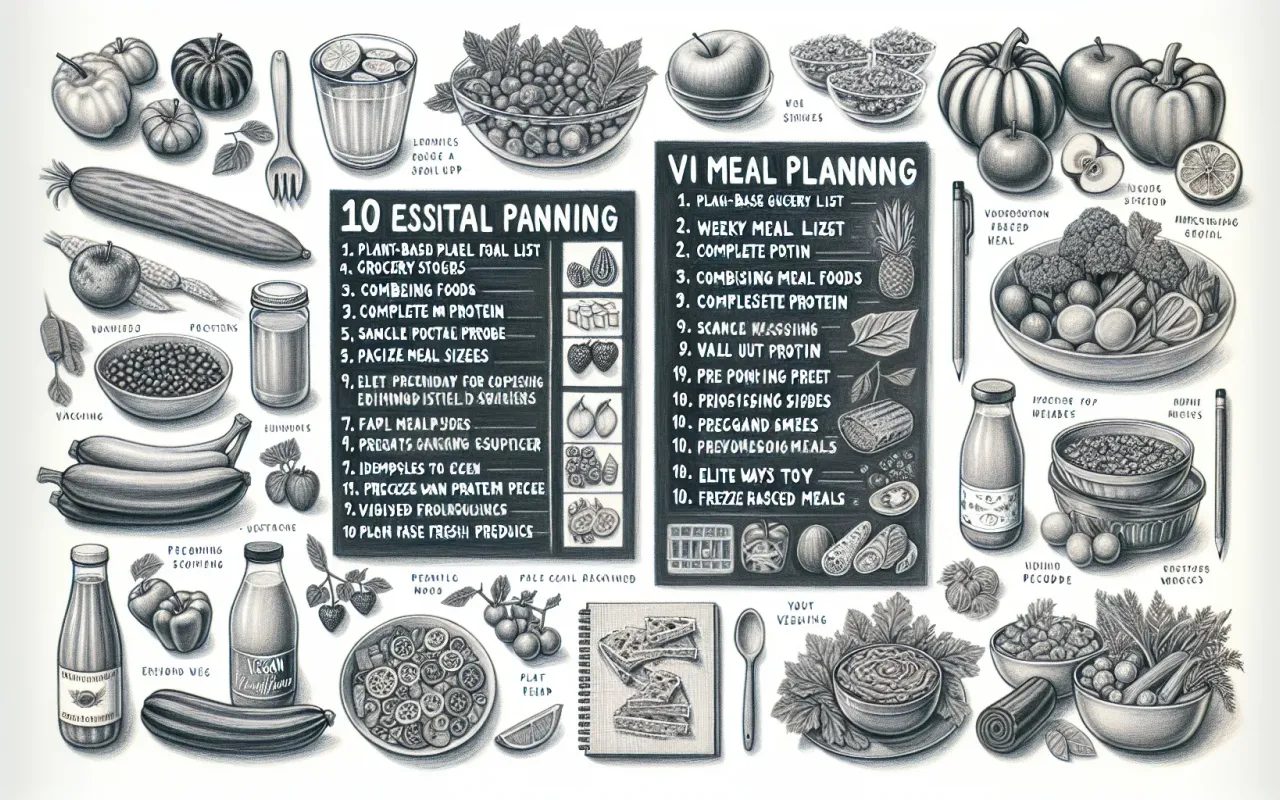
Discover essential vegetarian meal planning tips for a healthy lifestyle. Learn how to create balanced meals, ensure nutritional adequacy, and make meal prep easier with valuable insights.
- November 16, 2024
Introduction
Adopting a vegetarian diet can be a rewarding way to enhance your health and contribute to a more sustainable planet. However, transitioning to and maintaining a vegetarian lifestyle requires careful planning to ensure that you meet all your nutritional needs. In this article, we offer essential vegetarian meal planning tips that will help you create balanced and nutrient-rich meals, making your vegetarian journey both enjoyable and beneficial.
1. Understand Your Nutritional Needs
One of the first steps in vegetarian meal planning is to become familiar with your nutritional requirements. Key nutrients that need attention include protein, iron, calcium, vitamin B12, and omega-3 fatty acids. Understanding these requirements will help you choose the right foods and supplements to maintain optimal health.
2. Prioritize Protein-Rich Foods
Despite common misconceptions, there are plenty of vegetarian sources of protein. Include foods like lentils, beans, chickpeas, tofu, tempeh, quinoa, and nuts in your meal plans. Diversifying your protein sources ensures you get a range of amino acids necessary for healthy bodily functions.
3. Incorporate a Variety of Fruits and Vegetables
Fruits and vegetables are vital for any diet but are particularly important in a vegetarian meal plan. Aim to include a colorful variety to ensure a wide range of vitamins, minerals, and antioxidants. Seasonal produce is often more nutritious and more affordable.
4. Plan Balanced Meals
A balanced meal typically includes a source of protein, complex carbs, healthy fats, and a variety of vegetables. When planning your meals, make sure you're not just focusing on one food group. Combination dishes like grain bowls, salads, and wraps can provide balanced nutrition in one convenient meal.
5. Don't Forget Healthy Fats
Healthy fats are essential for brain health, energy, and nutrient absorption. Include sources like avocados, nuts, seeds, and olive oil in your diet. These fats not only contribute to satiety but also enhance the flavors of your meals.
6. Use Whole Grains
Whole grains are a great source of fiber, B vitamins, and essential minerals. Opt for whole grains such as brown rice, quinoa, oats, and whole wheat over refined grains. These grains provide long-lasting energy and can improve digestive health.
7. Meal Prep and Batch Cooking
Meal prepping and batch cooking can save a significant amount of time and ensure you always have healthy options available. Plan your meals for the week, prepare large batches of staples like grains and beans, and store them in the refrigerator or freezer for quick meal assembly.
8. Explore New Recipes and Cuisines
To keep your meals exciting and diverse, explore different recipes and global cuisines. Indian, Mediterranean, and Thai cuisines, for example, offer a plethora of vegetarian-friendly dishes that are both flavorful and nutritious.
9. Monitor Your Iron Intake
Vegetarians might need to pay extra attention to their iron intake since plant-based iron (non-heme iron) is less easily absorbed by the body than animal-based iron (heme iron). Include iron-rich foods like spinach, lentils, and pumpkin seeds, and pair them with vitamin C-rich foods to enhance absorption.
10. Consider Supplements
Even with meticulous meal planning, you might find it challenging to get all the nutrients solely from food. Vitamin B12 and omega-3 supplements are particularly important for vegetarians. Consult with a healthcare professional to determine if supplements are necessary for your diet.
Conclusion
Embracing a vegetarian lifestyle can be incredibly fulfilling when approached with careful planning and awareness. By understanding your nutritional needs, prioritizing a variety of food groups, and incorporating practical meal planning strategies, you can ensure that your vegetarian diet is both balanced and enjoyable. Use these vegetarian meal planning tips to guide your journey towards a healthier, more sustainable lifestyle.