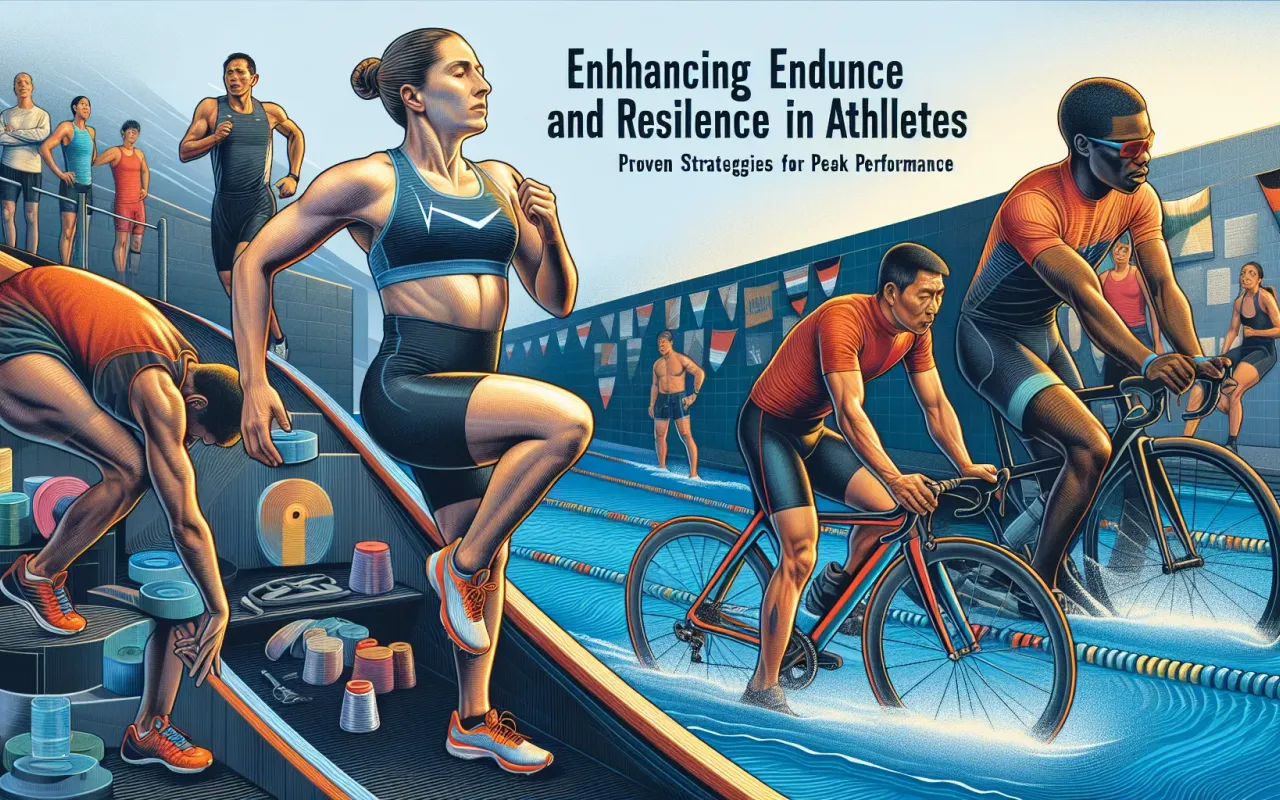
Discover scientifically proven strategies for enhancing endurance and resilience in athletes, helping them achieve peak performance and overcome challenges.
- November 10, 2024
AceShowbiz - Endurance and resilience are vital components of athletic performance. Athletes striving for peak performance must enhance their physical stamina and mental toughness to excel in their respective sports. This article delves deep into scientifically proven strategies for enhancing endurance and resilience in athletes, offering practical tips and solutions to tackle common challenges.
Understanding Endurance and Resilience
What is Endurance?
Endurance is the ability of an athlete to exert themselves over extended periods. It involves both aerobic capacity (the efficiency of the cardiovascular system) and muscular endurance (the ability of muscles to perform sustained work).
What is Resilience?
Resilience, on the other hand, is the mental fortitude that enables athletes to recover quickly from setbacks, injuries, or fatigue. It encompasses emotional regulation, stress management, and the ability to maintain focus under pressure.
Strategies for Enhancing Endurance
1. Structured Training Programs
Implementing a well-structured training program tailored to the athlete’s sport and fitness level is crucial. Training should progressively overload the cardiovascular and muscular systems to build endurance.
- Interval Training: Alternating between high and low-intensity exercise boosts aerobic and anaerobic capacity.
- Long, Slow Distance (LSD) Training: Involves prolonged, steady-paced workouts that improve muscular endurance and cardiovascular efficiency.
2. Nutrition and Hydration
Proper nutrition and hydration play pivotal roles in enhancing endurance. Athletes need to consume balanced diets rich in complex carbohydrates, proteins, and healthy fats.
- Carbohydrate Loading: Increases glycogen stores in muscles, providing sustained energy during prolonged activities.
- Electrolyte Balance: Maintaining electrolyte levels, particularly sodium and potassium, to prevent dehydration and cramping.
3. Recovery and Rest
Recovery is as important as training. Adequate rest periods and sleep enable the body to repair and strengthen itself, enhancing overall endurance.
- Sleep: Prioritize quality sleep to aid in the recovery process.
- Active Recovery: Engaging in light activities such as walking or yoga promotes blood flow and reduces muscle soreness.
Building Resilience in Athletes
1. Mental Skills Training
Mental skills are critical for building resilience. Techniques like visualization, goal setting, and mindfulness can significantly enhance an athlete's mental toughness.
- Visualization: Encourages athletes to mentally prepare by imagining successful performance scenarios.
- Goal Setting: Establishes clear objectives, providing motivation and focus.
- Mindfulness: Practices like meditation help to maintain focus and manage stress.
2. Coping Mechanisms
Developing effective coping mechanisms allows athletes to handle pressure and setbacks with a positive mindset.
- Stress Management: Techniques such as deep breathing and progressive muscle relaxation.
- Peer Support: Building a supportive team environment where athletes can share their experiences and solutions.
3. Professional Support
Working with sports psychologists, coaches, and medical professionals provides additional resources for building resilience. Professional guidance can offer personalized strategies and support systems.
- Sports Psychologists: Focus on mental training and emotional well-being.
- Coaches: Provide strategic training plans and moral support.
- Medical Professionals: Address physical health concerns that impact resilience.
Integrating Strategies for Peak Performance
Holistic Approach
Successful enhancement of endurance and resilience requires a holistic approach. Combining physical training, nutrition, recovery, mental skills, and professional support ensures comprehensive development.
Personalization
Each athlete is unique, and personalized training plans tailored to individual needs and sport-specific demands yield the best results. Continuous assessment and adjustment of strategies are vital for sustained improvement.
Common Challenges and Solutions
1. Overtraining
Overtraining can lead to injury, burnout, and decreased performance. Monitoring training load and allowing sufficient recovery time prevents these negative outcomes.
2. Nutritional Deficiencies
Inadequate nutrition can impair endurance and resilience. Working with nutritionists to develop balanced meal plans ensures optimal fuel and recovery.
3. Psychological Barriers
Mental blocks and lack of confidence hinder performance. Regular mental training and professional support help overcome these challenges.
Conclusion
Enhancing endurance and resilience in athletes is achievable through strategic training, proper nutrition, effective recovery, and mental fortitude. By addressing both physical and mental aspects, athletes can overcome challenges and reach their peak performance. Practicing these proven strategies will not only improve performance but also contribute to overall well-being and long-term athletic success.