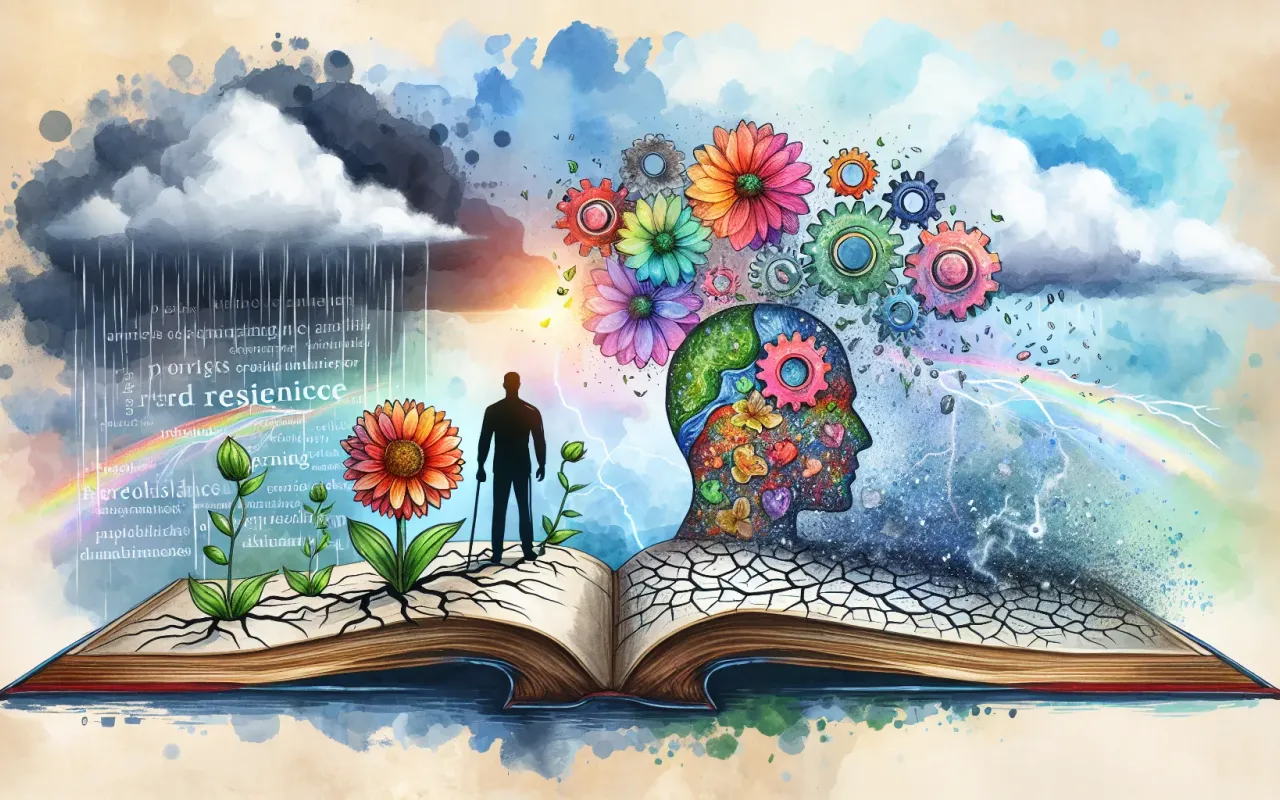
Mastering positive mindset strategies for resilience is key to thriving in life's challenges. Discover proven techniques to foster a resilient mindset with this comprehensive guide.
- November 10, 2024
In today's fast-paced and often unpredictable world, resilience is more important than ever. The ability to bounce back from setbacks and thrive despite challenges largely hinges on one's mindset. This comprehensive guide explores proven positive mindset strategies for resilience, offering practical advice and actionable steps to foster a resilient approach to life.
Understanding Resilience and Its Importance
Resilience refers to the capacity to recover quickly from difficulties and adapt well in the face of adversity, trauma, or significant sources of stress. It's not about avoiding stress or escaping hardship, but rather about harnessing inner strength to rise above challenges.
Having a resilient mindset is crucial because it helps to mitigate anxiety, improve mental health, and promote overall well-being. By developing resilience, individuals can navigate life's ups and downs more effectively and emerge stronger.
Core Positive Mindset Strategies for Resilience
1. Cultivating Self-Awareness
Self-awareness is the foundation for personal growth and resilience. Understanding your emotions, thoughts, and behaviors in varying situations allows you to respond rather than react to challenges. Practice mindfulness and reflective journaling to enhance self-awareness.
2. Practicing Gratitude
Gratitude shifts your focus from what's lacking to appreciating what you have. Regularly acknowledging and appreciating positive aspects of life can significantly enhance your outlook and build mental strength. Consider keeping a gratitude journal to document daily moments of thankfulness.
3. Building Strong Relationships
Supportive relationships are vital in fostering resilience. Cultivate a network of friends, family, and colleagues who can provide emotional support and encouragement during tough times. Engage in social activities and nurture connections that bring joy and positivity to your life.
4. Setting Realistic Goals
Clear, achievable goals can provide direction and purpose. Break larger objectives into smaller, manageable steps to avoid feeling overwhelmed. Celebrate each small victory to build momentum and foster a sense of accomplishment.
5. Embracing Change
Change is inevitable, and a resilient mindset embraces it rather than resents it. View change as an opportunity for growth and development. Being adaptable and open to new experiences enhances your ability to cope with uncertainty.
6. Maintaining a Healthy Lifestyle
Your physical health significantly impacts your mental resilience. Prioritize regular exercise, a balanced diet, sufficient sleep, and relaxation techniques. A healthy body supports a healthy mind, enabling you to face challenges with greater energy and clarity.
7. Practicing Self-Compassion
Treat yourself with kindness and understanding, especially during tough times. Self-compassion involves recognizing that suffering and setbacks are a part of the human experience. Encourage positive self-talk and avoid harsh self-criticism.
8. Positive Visualization and Affirmations
Visualization and affirmations can significantly boost resilience by reinforcing positive beliefs and outcomes. Visualize yourself successfully navigating challenges and reaffirm your strengths and capabilities through daily affirmations.
Overcoming Common Barriers to Resilience
1. Fear of Failure
Fear of failure can paralyze you and hinder resilience. Reframe failure as a learning opportunity and remind yourself that setbacks are a natural part of growth. Focus on what you can learn and how you can improve rather than dwelling on mistakes.
2. Negative Self-Talk
Negative self-talk undermines confidence and resilience. Challenge and replace negative thoughts with positive and realistic affirmations. Be your own best advocate and maintain a supportive internal dialogue.
3. Pessimism
Pessimism can drain your energy and make challenges seem insurmountable. Adopt an optimistic outlook by focusing on potential solutions rather than problems. Practice seeing the glass half full and look for silver linings in difficult situations.
Real-Life Examples of Resilient Individuals
Resilience is exemplified by countless individuals who have overcome adversity. Consider the stories of resilient figures like Nelson Mandela, who maintained hope and perseverance through decades of imprisonment, or Helen Keller, who triumphed over the challenges of being deaf and blind to become an author and activist. Their stories illustrate the power of a positive mindset in building resilience and achieving greatness despite significant obstacles.
Practical Steps to Start Building Resilience Today
Building resilience is a journey that requires practice and persistence. Here are practical steps to start incorporating positive mindset strategies for resilience into your daily life:
- Engage in regular reflective practices: Set aside time each day for mindfulness meditation or journaling to enhance self-awareness.
- Express gratitude: Write down three things you're grateful for each day to cultivate a positive outlook.
- Strengthen connections: Reach out to a friend or family member and engage in meaningful conversation or activities.
- Set and pursue goals: Identify a goal, break it into actionable steps, and celebrate each achievement.
- Embrace change: Try something new or take a small risk to build adaptability and confidence.
- Prioritize self-care: Establish a routine that includes exercise, healthy eating, and sufficient rest.
- Practice self-compassion: Be kind to yourself and recognize your efforts and progress without judgment.
- Use positive affirmations: Repeat affirmations that reinforce your strengths and resilience daily.
Conclusion
Mastering positive mindset strategies for resilience is key to navigating life's challenges and emerging stronger. By cultivating self-awareness, practicing gratitude, building strong relationships, setting realistic goals, embracing change, maintaining a healthy lifestyle, practicing self-compassion, and using positive visualization, you can build a resilient mindset that supports your well-being and success. Start implementing these strategies today and transform your approach to adversity, fostering a brighter and more resilient future.
© 2024 Positive Mindset Insights. All rights reserved.