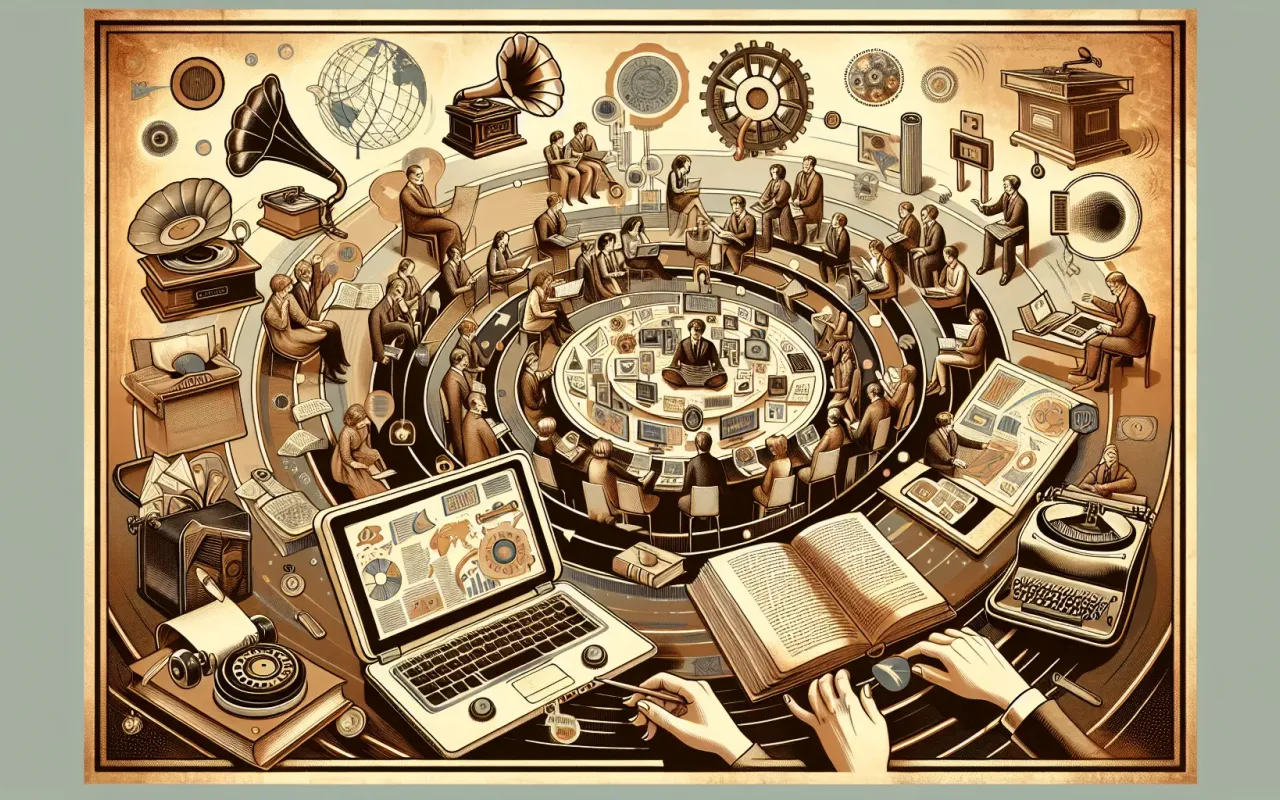
Learn how to master digital literacy skills to enhance your information literacy in the digital age. Develop the expertise to effectively navigate, evaluate, and use information online.
- November 9, 2024
Introduction
In today's digitally-driven world, mastery of digital literacy skills is paramount for enhanced information literacy. These skills are not just for tech enthusiasts; they are critical for anyone who interacts with information online. This article explores how refining digital literacy skills can significantly improve one's ability to navigate, evaluate, and use online information effectively.
Understanding Digital Literacy
Digital literacy encompasses a broad spectrum of competencies and skills required to effectively interact with digital technologies. It involves the ability to use digital devices, communicate and collaborate through digital media, and understand, evaluate, and create information online.
Components of Digital Literacy
- Technical Proficiency: The basic ability to operate digital devices and software applications.
- Information Literacy: The capacity to locate, evaluate, and use information effectively.
- Media Literacy: The ability to critically analyze media content and its underlying messages.
- Communication and Collaboration: The skill to interact and work collaboratively in digital environments.
- Digital Etiquette: Understanding and practicing good behavior and ethics in digital interactions.
Importance of Information Literacy
Information literacy goes beyond simply finding information. It involves the critical evaluation of sources, understanding the context, and discerning credible information from misinformation. In an age where fake news and misinformation are rampant, strengthening information literacy has become more crucial than ever.
Enhancing Information Literacy through Digital Literacy Skills
To improve information literacy, one must hone specific digital literacy skills. Here are some key areas to focus on:
1. Searching and Researching
Effective searching and researching skills are foundational to information literacy. This involves knowing how to use search engines effectively, utilizing advanced search techniques, and accessing specialized databases.
2. Critical Evaluation of Sources
Developing the ability to critically evaluate the credibility of online sources is essential. Users should examine the author's credentials, the publication date, and the source's reputation. Cross-referencing with other credible sources can also help verify information.
3. Understanding Digital Footprints and Biases
Awareness of digital footprints and inherent biases in information presentation helps users understand the context and motives behind the information. Recognizing these biases aids in making informed decisions.
4. Ethical Use of Information
Practicing ethical use of information involves understanding copyright laws, correctly citing sources, and respecting intellectual property. This promotes integrity and ethical standards in using digital resources.
Practical Steps to Master Digital Literacy Skills
Improving digital literacy skills requires a continuous effort to learn and adapt. Here are some practical steps to get started:
1. Online Courses and Tutorials
There are numerous online courses specifically designed to enhance digital literacy skills. Platforms like Coursera, edX, and Khan Academy offer valuable resources.
2. Participate in Webinars and Workshops
Attending webinars and workshops provides hands-on experience and opportunities to ask questions and interact with experts in the field.
3. Practice Safe and Ethical Online Behavior
Consistently practicing safe and ethical online behavior helps reinforce good habits. This includes using strong passwords, understanding privacy settings, and being aware of cybersecurity threats.
4. Stay Updated with Technological Advancements
Technology is continually evolving, so staying updated with the latest advancements and trends is crucial. Follow reputable tech news sources and join relevant online communities.
Conclusion
Mastering digital literacy skills is an essential step towards enhancing information literacy. By developing these skills, individuals can navigate the vast digital landscape more effectively, critically evaluate information, and utilize it ethically and responsibly. With persistent effort and ongoing learning, achieving a high level of digital and information literacy is within everyone's reach.