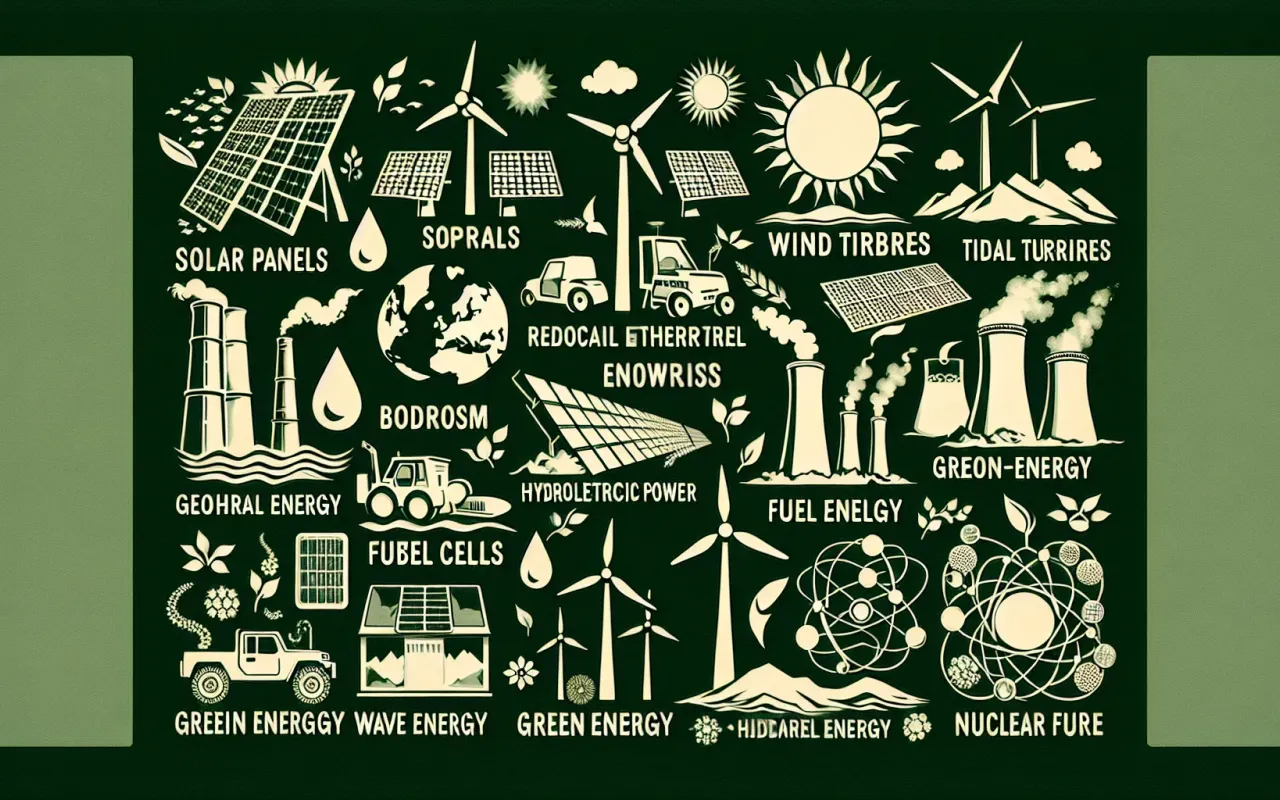
Discover 10 eco-friendly energy alternatives to fossil fuels that offer sustainable solutions for a greener future. Learn how renewable energy sources can help reduce carbon emissions.
- November 1, 2024
As the global community becomes increasingly aware of the environmental impact of fossil fuels, the search for sustainable energy alternatives has gained urgency. Fossil fuels not only contribute to climate change but also deplete finite natural resources. Fortunately, several eco-friendly energy alternatives to fossil fuels are available, ranging from solar to tidal energy, which could power our lives in a sustainable manner. This article explores 10 sustainable solutions that promise a greener future.
1. Solar Energy
Solar energy harnesses power directly from the sun's rays. Using photovoltaic cells, solar panels convert sunlight into electricity. This renewable resource is abundant and accessible, reducing reliance on coal and natural gas. Solar energy systems can be employed for residential, commercial, and industrial purposes, making it a versatile alternative to fossil fuels.
2. Wind Energy
Wind energy employs turbines to convert wind currents into electrical power. By channeling kinetic energy into mechanical energy, wind turbines generate a substantial amount of electricity, especially in windy regions. Wind farms, often situated offshore or in open plains, serve as significant contributors to the renewable energy grid.
3. Hydroelectric Energy
Hydroelectric power plants utilize flowing water to generate electricity. Dams and rivers provide the necessary momentum to turn turbines, producing a clean and renewable energy source. While the initial infrastructure can be costly and environmentally demanding, hydroelectric power remains a reliable and significant renewable energy source.
4. Geothermal Energy
Geothermal energy taps into the Earth's internal heat. Wells are drilled into geothermal reservoirs to harness steam and hot water, which can then drive turbines for electricity generation or provide direct heating. Geothermal plants offer consistent energy output and have a low ecological footprint.
5. Biomass Energy
Biomass energy involves the conversion of organic materials, such as plant and animal waste, into usable energy. Through processes like combustion and anaerobic digestion, biomass can produce heat, electricity, and biofuels. It offers a renewable way to repurpose agricultural and industrial waste, reducing landfill use and emissions.
6. Tidal Energy
Tidal energy captures the energy of ocean tides to generate electricity. Utilizing underwater turbines and other technologies, tidal power harnesses the gravitational pull of the moon and sun on Earth's oceans. It is a predictable and reliable source of renewable energy, particularly suitable for coastal areas.
7. Wave Energy
Similar to tidal energy, wave energy converts the kinetic energy of ocean waves into electricity. Devices like point absorbers and attenuators capture the movement of waves and convert it into electric power. Wave energy holds tremendous potential due to the vast power stored in the world's oceans.
8. Hydrogen Fuel Cells
Hydrogen fuel cells generate electricity through a chemical reaction between hydrogen and oxygen, emitting only water as a byproduct. Hydrogen can be produced from various renewable sources, offering a versatile and zero-emission energy alternative. Fuel cells are increasingly being used in transportation and stationary power generation.
9. Nuclear Power
Nuclear power, though controversial, is a low-carbon energy source that can significantly reduce greenhouse gas emissions. Advances in technology, including smaller and safer reactor designs, are addressing safety concerns. Nuclear energy provides a steady and substantial power output, complementing intermittent renewable sources.
10. Community Energy Solutions
Community energy initiatives, such as localized solar, wind, and biomass projects, empower communities to generate their own renewable energy. These decentralized systems can enhance energy security, reduce transmission losses, and foster sustainability at the local level. Community energy projects promote environmental stewardship and economic resilience.
Conclusion
Transitioning to eco-friendly energy alternatives to fossil fuels is crucial for achieving a sustainable and greener future. The diverse range of renewable energy sources, from solar and wind to tidal and biomass, offers viable solutions to reduce our carbon footprint and mitigate climate change. By adopting these sustainable energy technologies, we can preserve our planet for future generations while creating a resilient and efficient energy system. The journey towards greener energy may be challenging, but it is a vital step in ensuring the long-term health and prosperity of our global community.