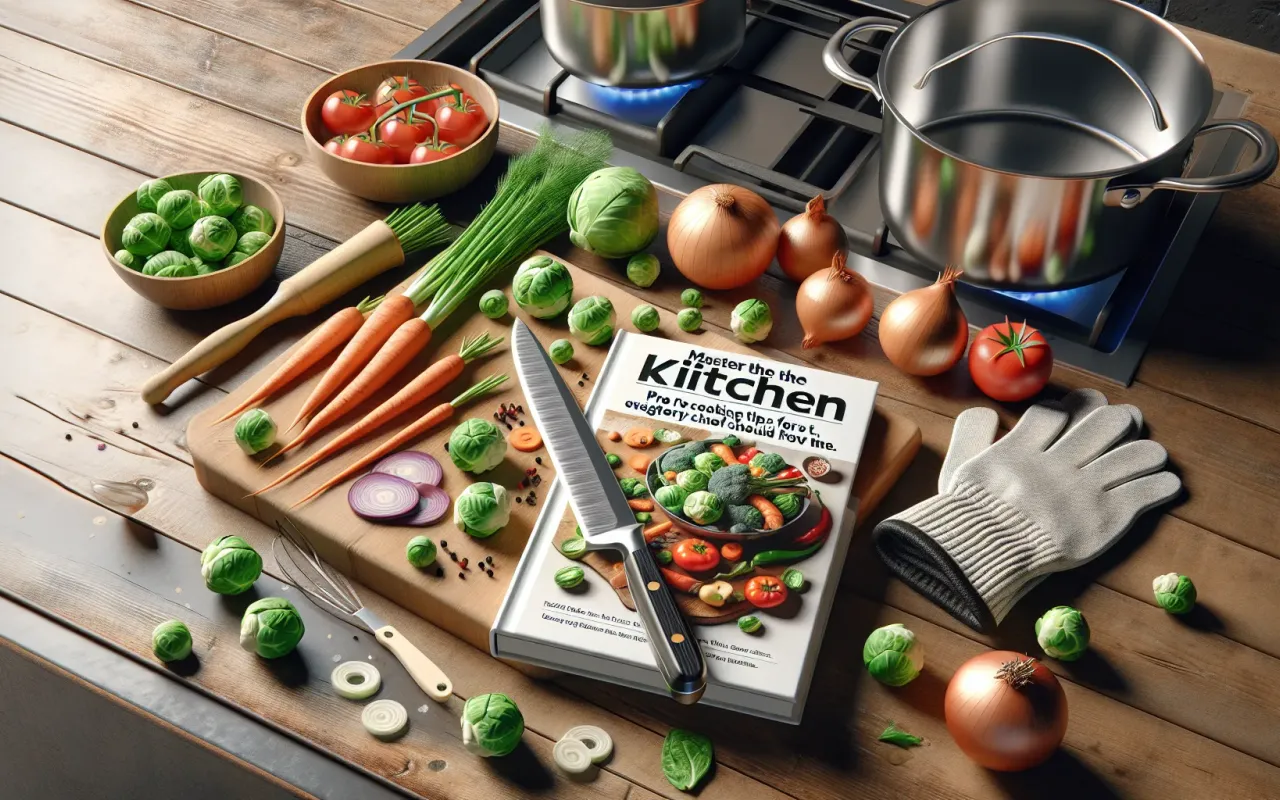
Unlock the secrets to cooking vegetables like a pro with our expert tips. Learn about perfecting techniques, timing, and flavor combinations for every type of vegetable.
- October 31, 2024
AceShowbiz - When it comes to culinary arts, vegetables often take a backseat to proteins or grains. However, mastering the art of cooking vegetables can elevate your dishes to new heights. This comprehensive guide is packed with pro cooking tips for vegetables that every chef—whether professional or home-based—should have in their arsenal.
The Importance of Freshness
One of the first steps to achieving exceptional results with vegetables is emphasizing freshness. Fresh vegetables not only taste better but also retain more of their nutritional value. Whenever possible, opt for in-season vegetables from local sources.
Proper Washing and Preparation
Before you start cooking, washing and prepping your vegetables properly is crucial. Wash vegetables to remove any dirt, pesticides, or bacteria. For leafy greens, a quick soak in cold water followed by a spin in a salad spinner works wonders.
Uniform Cutting
Uniformly cutting vegetables ensures even cooking, which is critical for achieving perfect texture and flavor. Invest in a good knife set and practice your knife skills. Techniques such as julienning, dicing, and chiffonade can significantly impact the presentation and cooking efficiency of your dishes.
Cooking Methods for Different Vegetables
Different vegetables require different cooking methods to bring out their best flavors and textures. Here are some popular techniques:
Blanching
Blanching involves briefly cooking vegetables in boiling water and then plunging them into ice water to halt the cooking process. This method preserves vibrant colors, textures, and nutrients. Use it for vegetables like beans, broccoli, and asparagus.
Roasting
Roasting caramelizes the natural sugars in vegetables, resulting in a deep, complex flavor. Root vegetables like carrots, sweet potatoes, and beets particularly benefit from this method. Toss your veggies in olive oil, season with salt and pepper, and roast at around 400°F (200°C).
Sautéing
Sautéing is all about cooking quickly over high heat, ideal for vegetables like bell peppers, zucchini, and spinach. Make sure your pan is hot before adding the vegetables to get that perfect sear without turning them mushy.
Timing Is Everything
Undercooked vegetables can be tough and unpleasant, while overcooked ones can turn mushy and lose their nutritional benefits. Understanding the ideal cooking time for each type of vegetable is crucial. For example, leafy greens only need a few minutes, while root vegetables may need up to an hour when roasted.
Batch Cooking
Consider batch cooking vegetables to save time during meal preparation. Cook larger quantities of vegetables and store them in the fridge for quick meals throughout the week. This method is particularly useful for busy schedules while still maintaining a healthy diet.
Seasoning and Flavor Pairings
Proper seasoning can make or break a dish. Knowing how to season and pair flavors effectively can elevate even the simplest vegetable dish:
Herbs and Spices
Experiment with fresh herbs like basil, cilantro, and thyme, or dried spices like cumin, paprika, and turmeric. Knowing when to add these ingredients—early during cooking for depth or at the end for freshness—is essential.
Acid and Sweetness
A splash of acid from lemon juice or vinegar can brighten the flavors of most vegetables. A touch of sweetness from honey, maple syrup, or balsamic reduction can balance out bitterness, especially in leafy greens like kale.
Common Mistakes to Avoid
Even experienced chefs can make mistakes when cooking vegetables. Here are some common pitfalls and how to avoid them:
Overcrowding the Pan
When roasting or sautéing, avoid overcrowding the pan, as this can cause your vegetables to steam instead of brown. Use a larger pan or cook in batches to ensure even cooking.
Skipping the Tasting
Tasting your food as you cook allows you to adjust seasoning and cooking time, ensuring the best possible outcome. Don’t wait until the serving stage to find out if your dish lacks salt or has too much pepper.
Innovative Cooking Techniques
For those looking to take their vegetable cooking skills to the next level, here are some advanced techniques:
Sous Vide
Sous vide cooking involves vacuum-sealing vegetables and cooking them at a precise, low temperature in water. This method allows for perfect textures and flavors that are otherwise hard to achieve.
Fermentation
Fermenting vegetables like cabbage (sauerkraut) or cucumbers (pickles) can add diverse flavors and probiotics to your diet. It’s a healthy and intriguing way to preserve vegetables while enhancing their taste.
Conclusion
Vegetables are an essential component of any well-rounded meal. By mastering these pro cooking tips for vegetables, you'll be well on your way to creating dishes that are not only nutritious but also bursting with flavor and visual appeal. Remember, the key to success in any culinary endeavor is practice, attention to detail, and a willingness to experiment. So get in the kitchen and start exploring the endless possibilities that expertly cooked vegetables can offer.