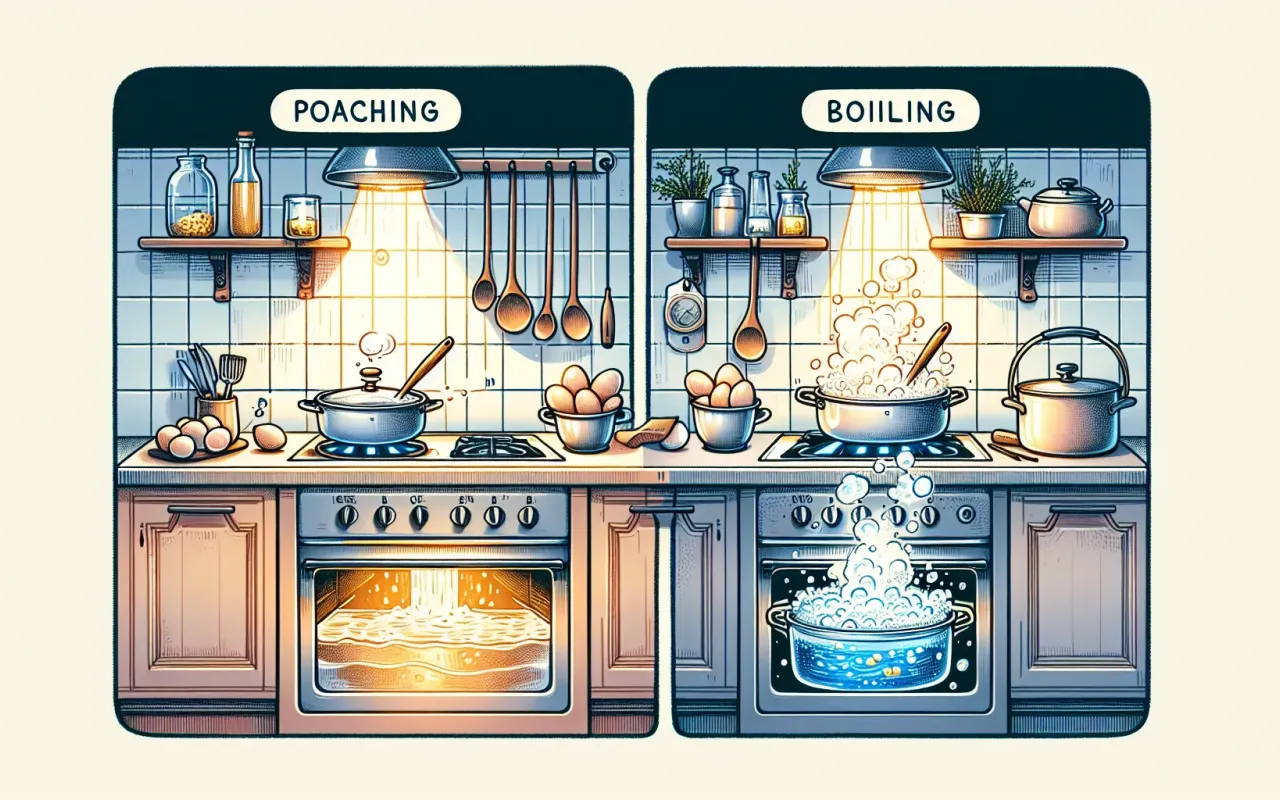
Discover the key differences and techniques for poaching vs boiling in cooking. Learn how to master these methods for perfect culinary results.
- October 29, 2024
AceShowbiz - When it comes to cooking methods, understanding the nuances of poaching vs boiling can be a game-changer for both novice and experienced cooks. Although these methods are often used interchangeably, they have distinct characteristics and applications that can significantly impact the outcome of your dishes.
Understanding Poaching
Poaching is a gentle cooking technique where food is submerged in a liquid, typically water, broth, or wine, at a relatively low temperature.
The Temperature Range
One of the key characteristics of poaching is the temperature range, which generally falls between 160°F and 180°F (71°C to 82°C). This low-temperature range ensures that the food cooks slowly and evenly.
Best Foods for Poaching
Poaching is ideal for delicate foods that require gentle handling to retain their texture and flavor. Commonly poached items include fish, eggs, and chicken breasts. Fruits like pears and peaches also benefit from poaching, resulting in a tender and flavorful outcome.
Liquids Used in Poaching
Unlike boiling, poaching liquids often carry additional flavors. Broth, wine, or a simple mixture of water with aromatics can infuse subtle notes into the food, enhancing its natural taste.
Understanding Boiling
Boiling, in contrast, involves cooking food in a liquid at a rolling boil, which is typically at a temperature of 212°F (100°C) at sea level.
Temperature and Boiling Points
A full, rolling boil is characterized by vigorous bubbling and steam. This high temperature can cause the food to cook rapidly, which can be advantageous for certain recipes.
Ideal Foods for Boiling
Boiling is suitable for hardy foods that can withstand higher temperatures without falling apart. Commonly boiled foods include pasta, potatoes, and various types of grains. Boiling is also effective for blanching vegetables, making them tender yet crisp.
Pros and Cons of Boiling
While boiling is a fast and efficient method, it can sometimes lead to overcooking or loss of nutrients, especially if the food is kept in boiling water for too long. However, it remains a go-to technique for many traditional and quick meals.
Poaching vs Boiling: Key Differences
While both poaching and boiling involve cooking food in a liquid, the differences between them are significant.
Temperature Control
The most notable difference is the temperature at which cooking occurs. Boiling takes place at higher temperatures, which can be suitable for less delicate foods, while poaching’s lower temperatures suit fragile items needing careful cooking.
Cooking Times
Due to these temperature variations, cooking times also differ. Boiling usually requires less time to cook food compared to poaching, where the slow cooking process allows for more delicate texture preservation.
Effect on Food Texture
Boiling can sometimes cause food to become tough or rubbery if overcooked, whereas poaching helps maintain a tender texture, especially in proteins and vegetables.
Nutrient Retention
Nutrient retention can be a concern in both methods, but boiling often results in higher nutrient loss due to the higher temperatures and extended exposure to water. Poaching, due to its gentler approach, tends to preserve more of the food's natural nutrients.
Techniques for Perfect Poaching and Boiling
Perfecting the Poaching Technique
To poach successfully, start by bringing your liquid to the correct poaching temperature and add aromatics like herbs, spices, or citrus to the liquid for added flavor. Submerge the food completely and monitor the temperature to ensure it stays within the poaching range.
Achieving Ideal Boiling
For boiling, ensure you use a large pot with ample water to allow the food to move freely. Salt the water if boiling pasta or vegetables, as this helps to enhance flavor. Maintain a rolling boil and keep an eye on the food to prevent overcooking.
Common Mistakes to Avoid
- Overcrowding the Pot: Whether poaching or boiling, overcrowding can lead to uneven cooking.
- Improper Temperature Control: Using a thermometer can help maintain the correct temperature for poaching.
- Overcooking: Carefully monitor cooking times to achieve the desired texture without overcompensating.
Conclusion
Understanding the differences between poaching vs boiling in cooking can enhance your culinary skills and result in better dishes. Poaching involves low, controlled heat and is best for delicate items, while boiling's higher temperatures are ideal for sturdier foods. Mastering both techniques can diversify your cooking repertoire and ensure your meals are cooked to perfection.