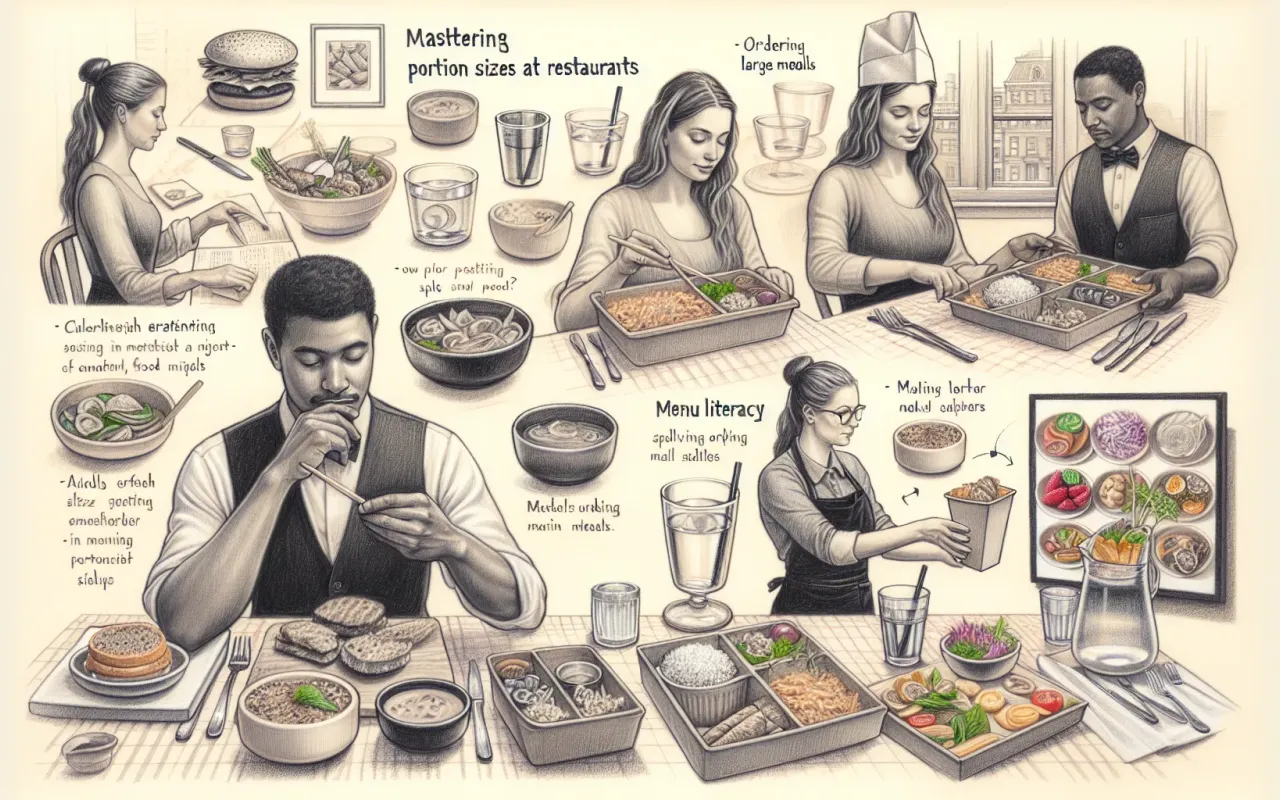
Learn to manage portion sizes at restaurants with ease. Discover effective strategies to maintain a healthy diet without sacrificing dining out pleasures.
- October 27, 2024
Dining out has become an integral part of modern life. Whether it's a special occasion, a business meeting, or simply a night off from cooking, restaurants offer a convenient and enjoyable way to experience a variety of cuisines. However, one common challenge that many people face is managing portion sizes at restaurants.
Restaurant portions are often much larger than what we would typically prepare at home, leading to overeating and contributing to weight gain and other health issues. In this guide, we'll explore practical strategies to help you manage portion sizes effectively while dining out.
Understanding Portion Sizes
Before diving into strategies, it's essential to understand what constitutes a proper portion size. Portion sizes refer to the amount of food one chooses to eat and can differ significantly from serving sizes, which are standard measurements determined by nutrition experts.
Common Challenges with Restaurant Portions
Many restaurants provide portions that exceed the recommended daily caloric intake. Factors contributing to this include the desire to offer value for money and differences in cultural perceptions of portion sizes.
Effective Strategies for Managing Portion Sizes at Restaurants
1. Do Your Research
Before heading out, check the restaurant's menu online. Many establishments provide nutritional information, allowing you to make informed choices about what to order.
2. Mindful Eating
Practicing mindful eating involves paying full attention to the eating experience. This means savoring every bite, eating slowly, and recognizing when you feel full rather than continuing to eat because the food is there.
3. Share Your Meal
Splitting an entrée with a dining companion can significantly reduce the amount you consume. Alternatively, you can order an appetizer as your main course, which is typically smaller than an entrée.
4. Use Your Plate as a Guide
Visual cues can help manage portion sizes. Aim to fill half your plate with vegetables, a quarter with protein, and a quarter with whole grains. This balanced approach ensures a nutritious meal without overeating.
Portion Control Techniques
5. Box Half Immediately
When your meal arrives, ask for a takeout container and place half of your food in it right away. This technique helps avoid the temptation to finish your entire plate in one sitting.
6. Be Aware of High-Calorie Add-ons
Sauces, dressings, and sides can add a significant number of calories to your meal. Request them on the side to control the amount you consume.
7. Avoid All-You-Can-Eat Buffets
Buffets often encourage overeating due to the sheer variety and quantity of food available. If you do find yourself at a buffet, opt for smaller portions and fill your plate primarily with healthy options.
8. Stay Hydrated
Drinking water before and during your meal can help you feel fuller faster. Sometimes, thirst can be mistaken for hunger, leading to overeating.
Healthy Choices and Habit Building
9. Choose Wisely
Opt for grilled, baked, or steamed dishes rather than fried or sautéed options. These cooking methods typically result in lower calorie meals.
10. Practice Consistency
Regularly practicing portion control can help you develop better eating habits over time. Remember that it's not about perfection; it's about making consistent, healthier choices.
Conclusion
Managing portion sizes at restaurants doesn't mean you have to miss out on the culinary pleasures of dining out. By following these practical strategies and being mindful of your eating habits, you can enjoy your meals while maintaining a healthy lifestyle. Remember, small changes can lead to significant improvements in your overall well-being.