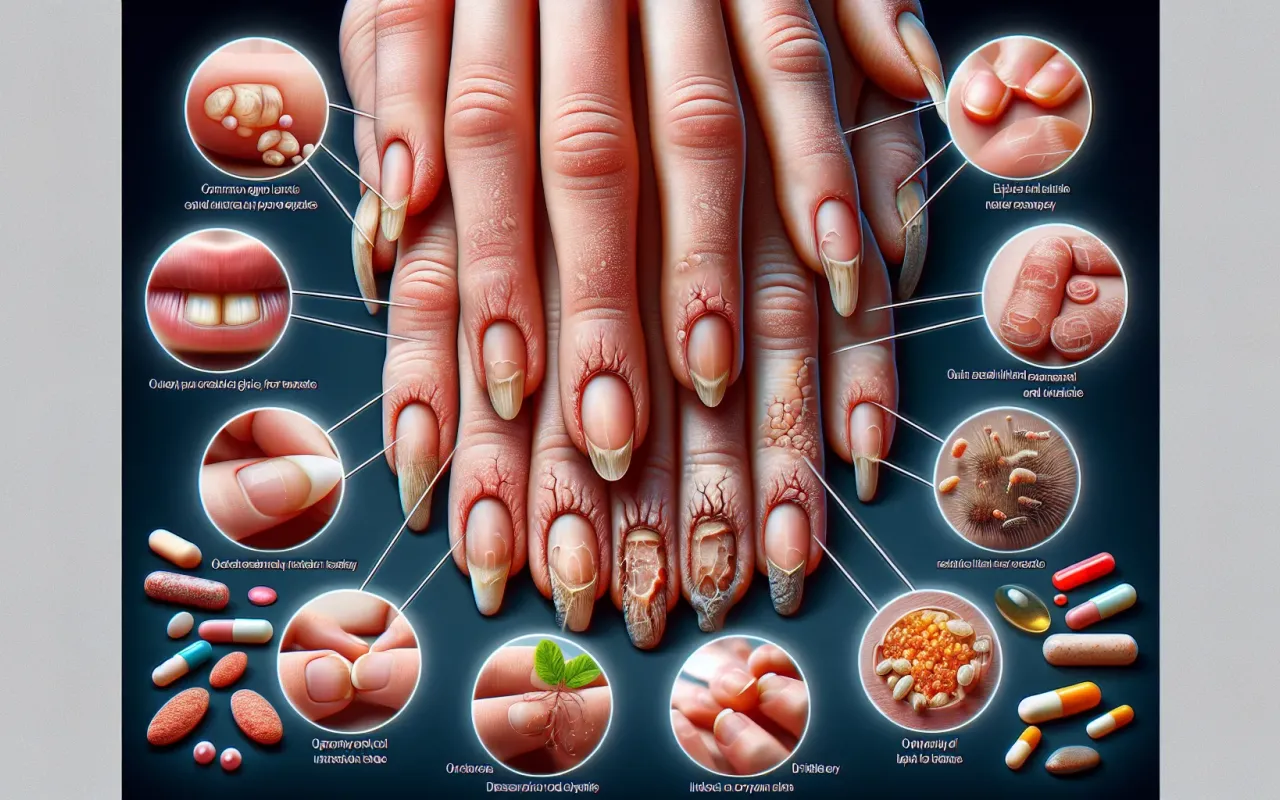
Discover the most common signs of unhealthy nails and learn how to fix them quickly with our comprehensive guide. Improve your nail health today!
- October 25, 2024
AceShowbiz - Nails are more than just a cosmetic feature; they can serve as an indicator of overall health. Healthy nails are generally smooth, consistent in color, and free from any unusual spots or discoloration. On the other hand, unhealthy nails can reveal potential health issues that need addressing. In this article, we will explore the common signs of unhealthy nails and how to fix them fast.
Understanding Nail Health
Before diving into the specifics, it is essential to understand what constitutes a healthy nail. A healthy nail should be strong, devoid of ridges or white spots, and have a slight pink color. Various factors like diet, hygiene, and overall health impact nail health. Identifying the signs of unhealthy nails early can help mitigate any long-term damage or underlying health problems.
Common Signs of Unhealthy Nails
1. Discoloration
Nails that are discolored, whether yellow, white, or blue, can indicate several health issues. Yellow nails may suggest a fungal infection, but they could also signify diabetes or respiratory problems. White spots or streaks could indicate a zinc deficiency, while blue nails might point to poor circulation or a lack of oxygen in the blood.
2. Brittleness
Brittle nails that break or chip easily can result from prolonged exposure to water, use of harsh chemicals, or even nutritional deficiencies. Brittle nails might also be a sign of thyroid issues or an underlying skin condition like psoriasis.
3. Thickening
Thick nails can be a symptom of fungal infections or other health problems like pulmonary disease or even long-term neglect. Thickening is most commonly seen in toenails but can affect fingernails as well.
4. Grooves or Ridges
Vertical or horizontal ridges on the nails can be indicative of age or can signal nutritional deficiencies and other health issues. Vertical ridges are generally benign and linked to aging. However, horizontal ridges could signify a more severe issue, such as Beau's lines, which may indicate severe malnutrition, heart attack, or other systemic illnesses.
5. Pits or Dents
Pits or dents in the nails can be a sign of psoriasis or alopecia areata. These small depressions are often the result of abnormal nail growth and can be troubling but are manageable with proper treatment.
6. White Lines
White lines running across the nails, known as leukonychia, might be a sign of arsenic poisoning. However, they can also occur due to trauma or injury to the nail.
How to Fix Unhealthy Nails Fast
Maintain Proper Hygiene
Maintaining good nail hygiene is crucial. Keep your nails clean and dry to prevent infections. Trim them regularly and avoid biting your nails as it can introduce bacteria. Use sterilized nail grooming tools to avoid fungal or bacterial infections.
Stay Hydrated
Hydration is key for healthy nails. Drinking plenty of water ensures that your nails remain hydrated and less prone to breakage.
Balanced Diet
Consuming a balanced diet rich in vitamins and minerals can significantly impact nail health. Ensure your diet includes enough biotin, vitamin E, zinc, and protein. Foods like eggs, nuts, and leafy greens are excellent for nail health.
Moisturize Regularly
Keeping your nails and cuticles moisturized can prevent many issues, including brittleness and dry cuticles. Use specialized nail and cuticle oils or creams to maintain moisture levels.
Avoid Harsh Chemicals
Exposure to harsh chemicals can weaken your nails. Whether it’s household cleaning agents or nail polish removers with acetone, try to minimize their use. If exposure is necessary, wear gloves to protect your nails.
Consult a Professional
If you notice persistent issues with your nails that do not improve with basic care, it is advisable to consult a healthcare professional. A dermatologist or a healthcare provider can diagnose underlying issues and recommend an appropriate treatment plan.
Natural Remedies
Tea Tree Oil
Tea tree oil is known for its antifungal properties and can be an effective remedy for fungal infections. Dilute tea tree oil with a carrier oil and apply it to the affected nails regularly.
Coconut Oil
Coconut oil is excellent for moisturizing and strengthening nails. It's especially beneficial for treating brittle nails. Massage a small amount of coconut oil into your nails and cuticles daily.
Lemon Juice
Lemon juice can help whiten and brighten discolored nails. Soak your nails in lemon juice for a few minutes each day until you notice an improvement.
Apple Cider Vinegar
Apple cider vinegar has antibacterial and antifungal properties. Soaking your nails in a mixture of water and apple cider vinegar can help treat fungal infections and improve nail health.
Prevention Tips
Adequate Protection
Always wear gloves when engaging in activities that expose your nails to harsh conditions, such as cleaning or gardening. This helps to protect your nails from damage and chemical exposure.
Good Nail Care Practices
Adopt good nail care practices, such as avoiding the use of nails as tools, and keeping them at a manageable length to prevent breaking and snagging.
Limit Nail Polish Use
While nail polish can make your nails look beautiful, excessive use can weaken your nails. Opt for a nail polish break occasionally to let your nails breathe and rejuvenate.
Conclusion
Recognizing the common signs of unhealthy nails and knowing how to fix them fast is crucial for maintaining nail health and overall well-being. By adopting proper nail care practices, staying hydrated, eating a balanced diet, and seeking professional help when necessary, you can ensure your nails remain in top condition. Regularly inspecting your nails for any irregularities and addressing them promptly can also go a long way in preventing potential health issues. Remember, healthy nails are not just about aesthetics—they are a reflection of your overall health.