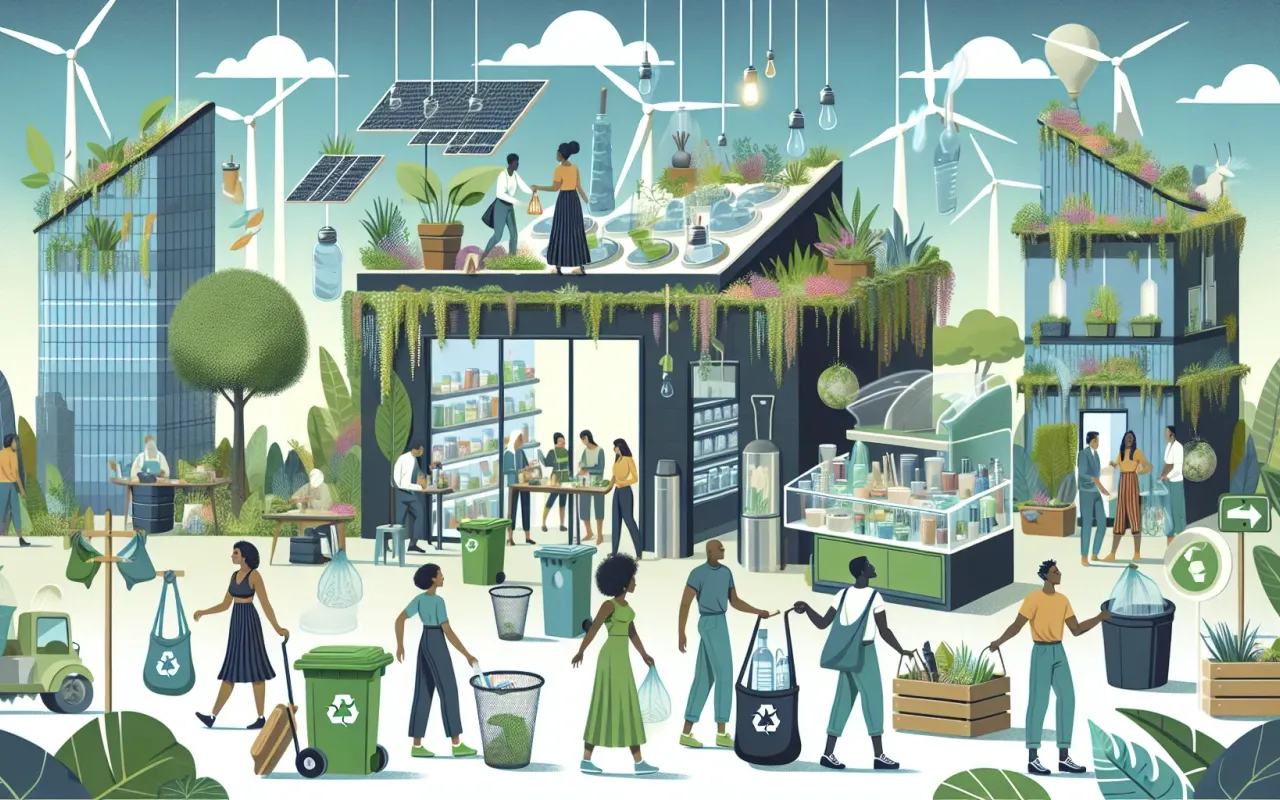
Discover practical tips and tricks for embracing sustainable living without plastic. Explore eco-friendly alternatives and lead a more conscious, green lifestyle.
- October 25, 2024
Plastic pollution is one of the most pressing environmental challenges of our time. With plastic waste damaging oceans, wildlife, and even human health, it's crucial to adopt sustainable living practices. This article provides practical tips and tricks for embracing a lifestyle without plastic, helping you make eco-friendly choices that benefit both the planet and your well-being.
Understanding the Impact of Plastic
Before diving into solutions, it's essential to understand why reducing plastic is vital. Plastics take hundreds of years to decompose, leading to lasting environmental damage. Single-use plastics, such as straws, bags, and packaging, are particularly problematic, often ending up in oceans and harming marine life. By choosing sustainable living without plastic, you can significantly reduce your ecological footprint.
Tips for Reducing Plastic Use in Your Daily Life
1. Ditch Single-Use Plastics
Start by eliminating single-use plastics. Invest in reusable alternatives such as stainless steel straws, cloth shopping bags, and glass containers. These items not only reduce waste but also save money over time.
2. Opt for Sustainable Packaging
When shopping, choose products with minimal or recyclable packaging. Support brands that use biodegradable materials, and buy in bulk to reduce packaging waste.
3. Use Eco-Friendly Personal Care Products
Personal care products often come in plastic packaging. Switch to bar soaps, shampoos, and conditioners. Look for products from companies committed to reducing plastic waste and opt for refillable options when available.
4. Grow Your Own Food
Growing your own fruits, vegetables, and herbs can significantly reduce the need for plastic-wrapped produce. Plus, it has the added benefit of providing fresher and healthier food options.
5. Adopt a Zero-Waste Kitchen
Implementing a zero-waste kitchen involves using glass jars for storage, buying from bulk bins, and avoiding plastic utensils. Additionally, composting food scraps can further reduce waste.
Long-Term Strategies for Sustainable Living Without Plastic
1. Support Plastic-Free Initiatives
Engage with and support organizations and businesses that advocate for plastic-free living. Participate in community clean-up events and push for local legislation that reduces plastic use.
2. Educate Yourself and Others
Stay informed about the issues surrounding plastic pollution and share your knowledge. Educate friends and family about the benefits of reducing plastic use and how they can make changes in their own lives.
3. Choose Durable, Long-Lasting Products
Invest in high-quality, durable products that don’t need to be replaced frequently. Opt for materials like wood, metal, and glass, which are more sustainable and often more aesthetically pleasing than plastic alternatives.
4. Reduce, Reuse, Recycle
Adopt the mantra of "reduce, reuse, recycle." Reducing your consumption, reusing items whenever possible, and recycling responsibly are fundamental in transitioning to a plastic-free lifestyle.
5. Advocate for Change
Use your voice to advocate for broader changes in society. Support policies and initiatives aimed at reducing plastic production and consumption, and encourage businesses to adopt sustainable practices.
Conclusion
Embracing sustainable living without plastic is not just a trend; it's a necessity for the health of our planet and future generations. By making mindful choices and implementing the tips outlined in this article, you can significantly reduce your plastic footprint. Every small step counts, and together, we can create a more sustainable, eco-friendly world.