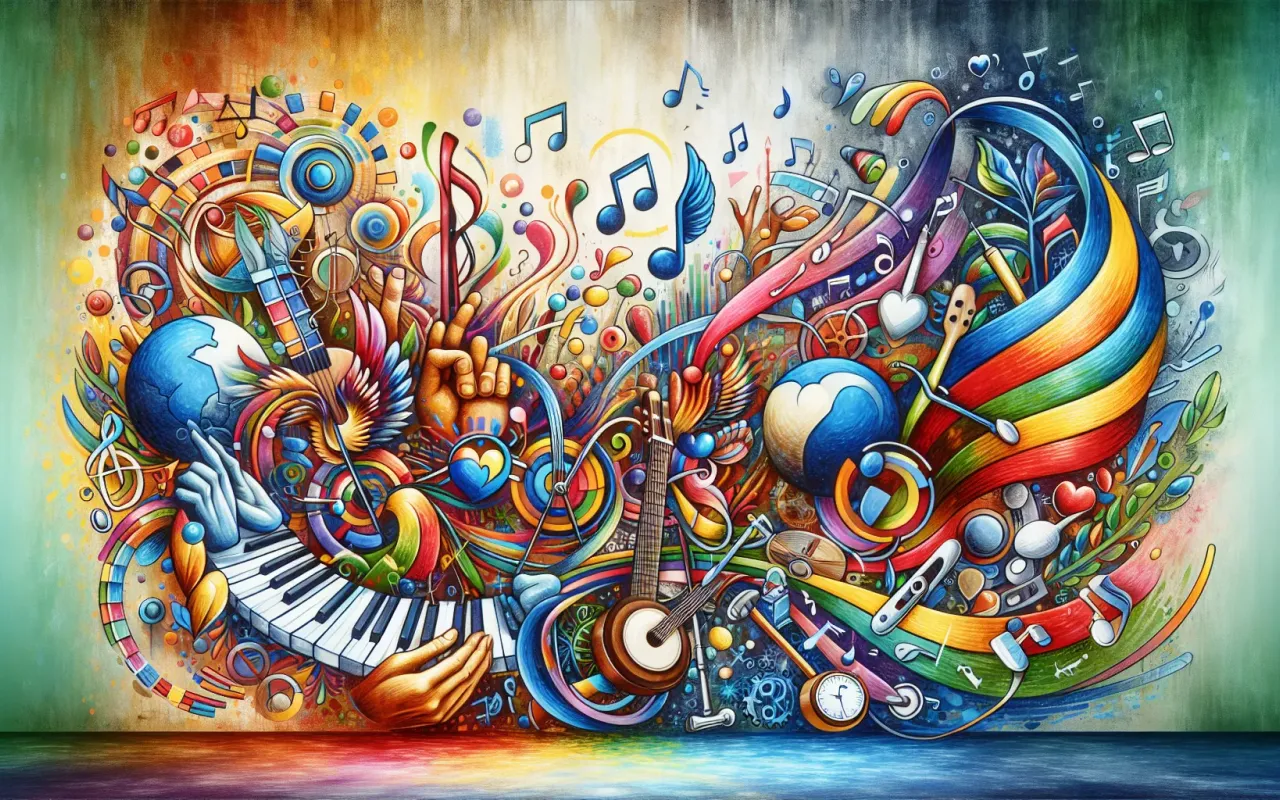
Discover how music therapy aids in physical rehabilitation. This article delves into its benefits, techniques, and the science behind its effectiveness.
- October 25, 2024
AceShowbiz - Music therapy has emerged as a powerful tool in physical rehabilitation, offering a blend of therapeutic benefits grounded in both science and art. This article aims to explore the role of music therapy in physical rehabilitation, elucidate its benefits, and discuss the various techniques employed by practitioners.
Introduction to Music Therapy
Music therapy is defined as the clinical and evidence-based use of music interventions to accomplish individualized goals within a therapeutic relationship by a credentialed professional. In the realm of physical rehabilitation, this form of therapy leverages the unique ability of music to impact physical, emotional, and cognitive functioning, aiding recovery and enhancing quality of life.
The Science Behind Music Therapy
Research reveals that music stimulates various parts of the brain that are involved in movement, emotion, cognition, and sensory perception. Neuroplasticity is a critical concept here, as the brain's ability to reorganize itself by forming new neural connections can be harnessed by musical interventions to facilitate motor and cognitive recovery.
Neuroplasticity and Motor Recovery
One of the most compelling aspects of music therapy is its ability to stimulate neuroplasticity. Patients recovering from strokes or traumatic brain injuries often face significant challenges in regaining motor skills. Music, especially rhythmic auditory stimulation (RAS), has been shown to improve gait and motor functions. The structured rhythm helps in reinforcing neural pathways responsible for movement coordination.
Emotional and Cognitive Benefits
Beyond physical benefits, music therapy also supports emotional and cognitive rehabilitation. Listening to and making music can reduce anxiety, depression, and stress, which are often associated with physical recovery. This psychological comfort can create a more conducive environment for the rehabilitation process.
Techniques in Music Therapy for Physical Rehabilitation
Rhythmic Auditory Stimulation (RAS)
RAS involves the use of rhythmic cues to improve motor control in patients with movement disorders. For instance, stroke survivors or individuals with Parkinson’s disease can experience significant improvements in gait and coordination when exposed to rhythmic beats, which help synchronize movements.