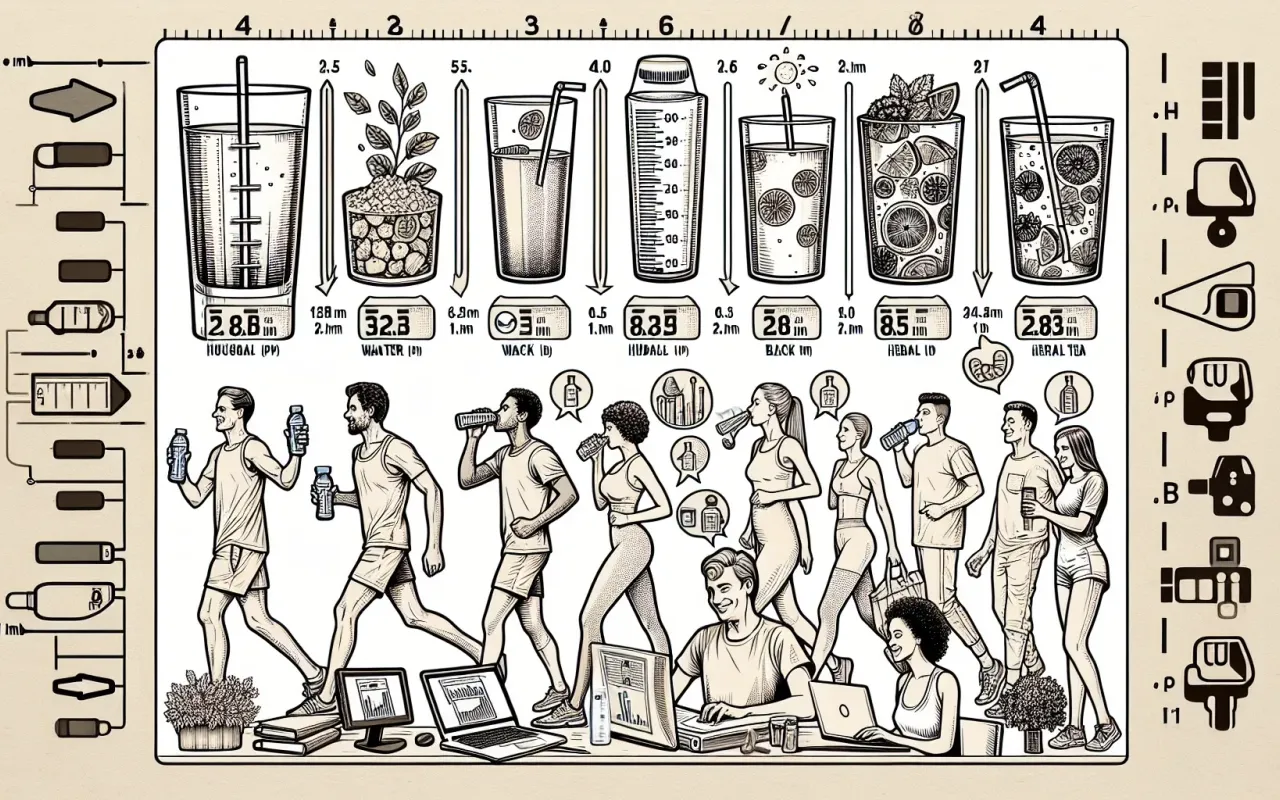
Discover the optimal recommended daily fluid intake for proper hydration. Learn how hydration impacts health and practical tips to maintain it.
- October 25, 2024
AceShowbiz - Proper hydration is crucial for maintaining good health, yet many people overlook it. Understanding the recommended daily fluid intake for proper hydration is vital for achieving overall wellness. In this article, we will explore essential aspects of fluid intake, its benefits, factors influencing your needs, and practical ways to ensure you stay hydrated.
Why Hydration Matters
Water is fundamental to life, making up about 60% of the human body. Hydration is essential for various bodily functions, including regulating temperature, transporting nutrients, and eliminating waste. Dehydration can lead to adverse health effects such as headaches, impaired cognitive function, and kidney stones.
The Role of Water in the Body
Water impacts several critical physiological processes, including:
- Cellular Function: Every cell in the body relies on water to function correctly.
- Temperature Regulation: Through perspiration and respiration, water helps maintain the body's temperature.
- Digestion and Absorption: Water aids in digestion and the absorption of vitamins and minerals.
- Detoxification: The kidneys use water to eliminate waste products from the bloodstream.
Recommended Daily Fluid Intake
The amount of fluid needed varies based on age, gender, physical activity, and environmental factors. However, general guidelines can help navigate these needs.
General Guidelines
The National Academies of Sciences, Engineering, and Medicine recommend the following daily fluid intake:
- Men: Approximately 3.7 liters (about 13 cups)
- Women: Approximately 2.7 liters (about 9 cups)
These recommendations include all fluids consumed, not just water. From soups and juices to tea and coffee, all beverages contribute to overall fluid intake.
Factors Affecting Fluid Needs
While general guidelines provide a baseline, individual fluid needs may vary:
- Physical Activity: More active individuals require additional fluids to compensate for perspiration.
- Climate: Hot or humid environments increase fluid loss through sweat.
- Health Status: Certain conditions, such as fever or urinary tract infections, necessitate increased fluid intake.
- Pregnancy and Breastfeeding: Women who are pregnant or breastfeeding require additional fluids to support their health and the baby's needs.
- Diet: High-protein or high-fiber diets can increase water needs.
Signs of Dehydration
Staying alert to dehydration symptoms is crucial for maintaining health. Common signs include:
- Thirst
- Dry mouth or skin
- Dark urine
- Fatigue
- Dizziness
Severe Dehydration
Severe dehydration is a medical emergency characterized by symptoms like:
- Rapid heartbeat
- Sunken eyes
- Low blood pressure
- Confusion or irritability
- Fainting
Immediate medical attention is vital if any of these symptoms occur.
Practical Tips for Staying Hydrated
Maintaining proper hydration doesn't have to be challenging. Here are some effective strategies:
Incorporate Fluids into Your Daily Routine
Make fluid consumption a habit. Carry a reusable water bottle, set reminders, and ensure regular intake throughout the day.
Eat Water-Rich Foods
In addition to drinking fluids, consuming water-rich foods helps maintain hydration. Consider incorporating:
- Cucumbers
- Watermelons
- Oranges
- Strawberries
- Tomatoes
Monitor Your Fluid Intake
Tracking fluid intake can be beneficial, especially for individuals with specific health conditions or increased fluid needs. Digital apps are available to help track and manage daily consumption goals.
Listen to Your Body
Pay close attention to your body's signals. Thirst is an obvious indicator, but other signs such as fatigue or decreased urine output are crucial to monitor.
Common Myths About Hydration
There are many misconceptions about hydration. Let's debunk some of them:
Myth 1: You Need Exactly Eight Glasses of Water a Day
While the "8x8" rule (eight 8-ounce glasses) is popular, fluid needs vary based on individual factors. It's a guideline, not a one-size-fits-all mandate.
Myth 2: Caffeinated Beverages Cause Dehydration
Moderate caffeine intake doesn't lead to dehydration. Beverages like tea and coffee contribute to overall fluid consumption.
Myth 3: Clear Urine is a Sign of Optimal Hydration
Pale yellow urine is a better indicator of proper hydration. Completely clear urine may suggest overhydration, potentially leading to electrolyte imbalances.
Conclusion
Achieving optimal health requires proper hydration. Understanding the recommended daily fluid intake for proper hydration, recognizing factors that influence fluid needs, and adopting practical hydration strategies can significantly improve well-being. By staying informed and attentive to your body's needs, you can ensure your hydration levels support overall health and vitality.