Learn the basics of foot reflexology for beginners with this informative guide that covers techniques, benefits, and tips for getting started.
- October 22, 2024
Introduction to Foot Reflexology
Foot reflexology is an ancient practice that involves applying pressure to specific points on the feet. These points correspond to different organs and systems in the body, promoting overall wellness and balance. For beginners, understanding the basics of foot reflexology can be a gateway to improved health and relaxation.
The History and Principles of Foot Reflexology
Foot reflexology has its roots in ancient Egypt and China, with practices dating back thousands of years. The principle behind reflexology is the concept of zones and reflex areas. These are mapped out on the feet, and by applying pressure to these areas, practitioners believe it can influence the corresponding parts of the body.
How Foot Reflexology Works
Understanding Reflex Areas
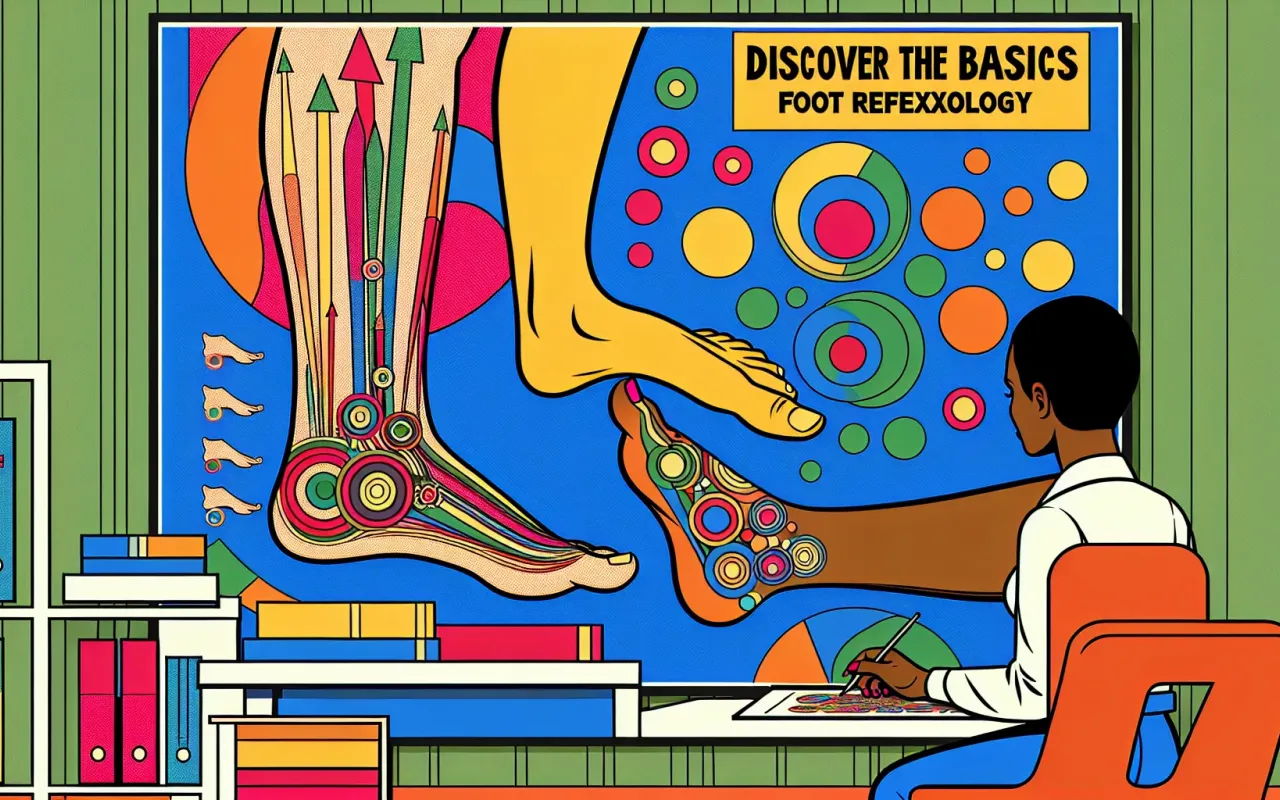
Each foot has reflex areas that correspond to organs, glands, and other parts of the body. For instance:
- The tips of the toes reflect head and neck regions.
- The ball of the foot is connected to the chest and heart.
- The arch of the foot corresponds to digestive organs.
Techniques Used in Foot Reflexology
Practitioners use various techniques, including thumb walking, kneading, and rotational movements, to stimulate these reflex points. The goal is to clear blockages and promote the body’s natural healing processes.
Benefits of Foot Reflexology
Foot reflexology offers numerous benefits that can enhance physical and mental well-being. Some of the primary advantages include:
- Stress Reduction: By stimulating nerves and improving circulation, reflexology helps reduce stress and anxiety.
- Pain Relief: It can alleviate pain from conditions such as arthritis, headaches, and chronic injuries.
- Improved Circulation: Reflexology boosts blood flow, which supports better oxygen and nutrient delivery throughout the body.
- Enhanced Relaxation: The practice fosters deep relaxation, contributing to better sleep and overall tranquility.
Getting Started with Foot Reflexology
For beginners, starting with foot reflexology can be both exciting and slightly intimidating. Here are some steps to help you begin:
Learning the Basics
Begin by studying foot reflexology charts that map out the reflex areas on the feet. Numerous online resources and books can provide detailed guides and diagrams for reference.
Choosing the Right Tools
While reflexology primarily uses hands, utilizing a reflexology stick or massage ball can enhance your practice. Choose tools that feel comfortable and are easy to handle.
Practicing Techniques
Start with gentle pressure, gradually increasing as you become more familiar with the practice. Focus on different areas during each session to cover all reflex points over time.
Seeking Professional Guidance
If possible, consult with a professional reflexologist. They can provide personalized advice and demonstrate proper techniques to ensure effective practice.
Safety and Precautions
While foot reflexology is generally safe, it is essential to consider the following precautions:
- Consult a Doctor: If you have any underlying health conditions, consult your healthcare provider before starting reflexology.
- Avoid Intense Pressure: Applying too much pressure can cause discomfort or bruising. Always start gently.
- Infections and Injuries: Avoid reflexology on feet with open wounds, infections, or severe injuries.
Conclusion
Foot reflexology for beginners can be a rewarding practice that promotes health and relaxation. By understanding the basics and taking a mindful approach, you can experience the benefits of this ancient art. Remember to practice regularly and consult professionals when needed to maximize the effectiveness and safety of your reflexology sessions.