Discover the proper tasting technique for spices. Learn how to master spice tasting with expert tips, enhancing your culinary skills and flavor palette.
- October 22, 2024
Understanding the art of spice tasting goes beyond simply knowing what tastes good. It’s about refining your palate, recognizing subtleties, and pairing spices expertly to elevate your culinary creations. This article will guide you through the proper tasting technique for spices, ensuring you gain the expertise needed to master spice tasting.
Introduction to Spice Tasting
Spices are the backbone of cuisines worldwide, providing depth, flavor, and complexity. However, tasting and appreciating spices is not intuitive for everyone. Navigating the spectrum of flavors—from sweet and spicy to bitter and umami—requires a methodical approach to ensure you fully engage your senses.
Why Proper Tasting Technique for Spices Matters
Proper spice tasting techniques are essential for chefs, home cooks, and connoisseurs for several reasons:
- Flavor Profiling: Identifying the distinct characteristics of each spice helps in creating balanced dishes.
- Culinary Precision: Knowing how a spice behaves when it interacts with different ingredients allows for precise usage.
- Enhanced Senses: Regular spice tasting sharpens your palate over time, making you more attuned to subtle flavor nuances.
Step-by-Step Guide to Proper Tasting Technique for Spices
Here is a refined process to ensure you are tasting spices correctly and gaining the most from each experience:
1. Cleanse Your Palate
Begin with a clean palate. Rinse your mouth with water or lightly chew on a piece of plain bread. Avoid strong-flavored foods or drinks beforehand, as they can alter your perception of the spices.
2. Use Fresh Spices
Use fresh and high-quality spices for your tasting. Old or improperly stored spices can lose their potency and give off incorrect flavors.
3. Visual Examination
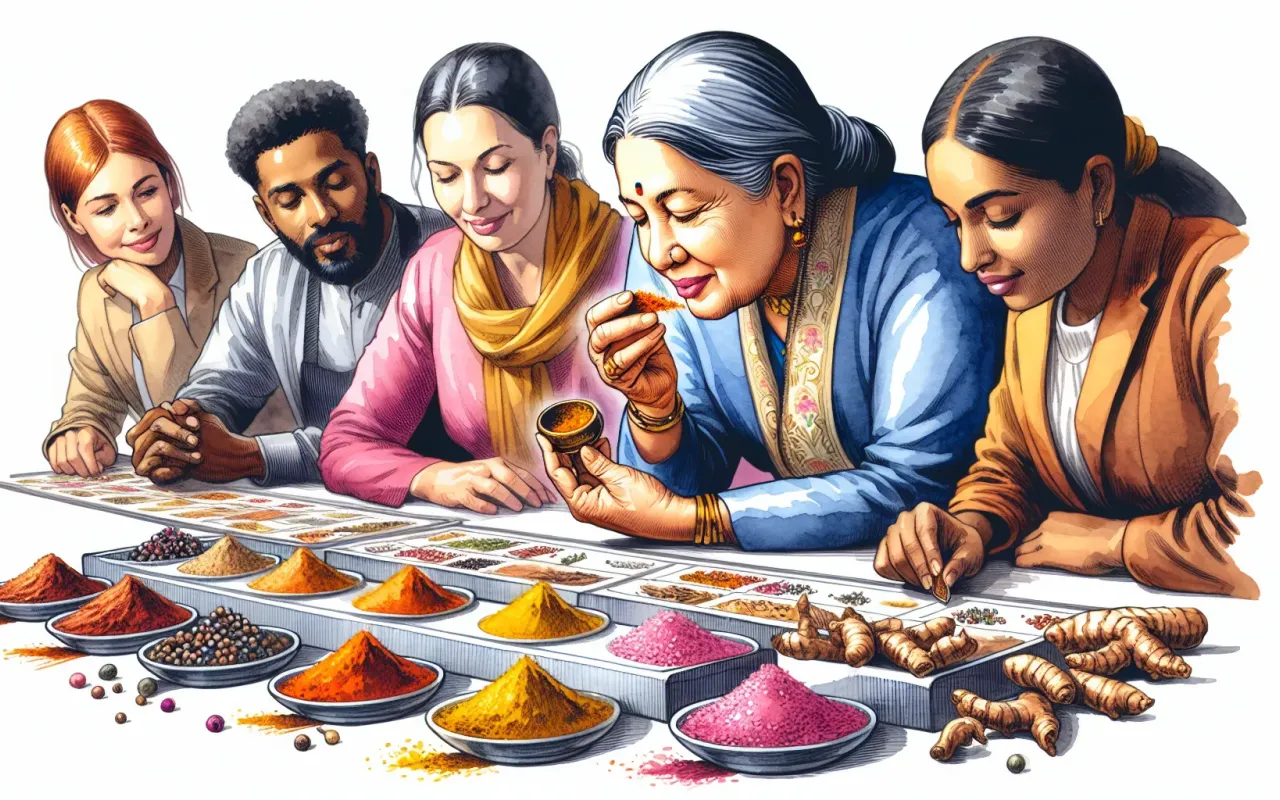
Before tasting, observe the spice. Note its color, texture, and aroma. These visual clues can provide important context about the spice's origin and quality.
4. Smelling the Spice
A significant portion of taste is influenced by smell. Take a moment to inhale the aroma deeply, noting any initial sensory impressions.
5. Tasting the Spice
Place a small quantity of the spice on your tongue. Allow it to dissolve naturally without chewing. Focus on the flavor development and the areas of your tongue that respond to the taste.
6. Experience the Aftertaste
Pay attention to the aftertaste and how long the flavor lingers. Some spices, like cinnamon or clove, have long-lasting finishes, while others dissipate quickly.
Advanced Techniques for Spice Tasting
For those looking to deeply master the art of spice tasting, consider these advanced techniques:
Combining Spices
Experiment by combining spices. Create blends and observe how they interact and enhance or diminish each other's characteristics.
Cooking Trials
Test spices by cooking with them. Cooking can significantly change a spice’s flavor profile, so it’s essential to taste spices in both their raw and cooked states.
Flavor Wheels
Use a flavor wheel to categorize and identify the complex flavors in spices. This tool helps in understanding various taste dimensions and in articulating the spice's flavor profile more precisely.
Common Mistakes and How to Avoid Them
Being aware of common mistakes will sharpen your spice-tasting skills further:
- Overwhelming Your Palate: Limit the number of spices you taste in one session to avoid palate fatigue.
- Ignoring Environmental Influences: Tasting in an environment with strong odors or poor lighting can skew your perception.
- Not Keeping Notes: Document your impressions and findings. This practice helps in tracking your palate development and preferences over time.
Conclusion
Mastering the proper tasting technique for spices is an invaluable skill for anyone passionate about culinary excellence. By following a structured approach and refining your methods over time, you will develop a nuanced understanding of spices, enhancing both your palate and your dishes. Remember, practice and mindfulness are key to becoming adept at spice tasting. Happy tasting!