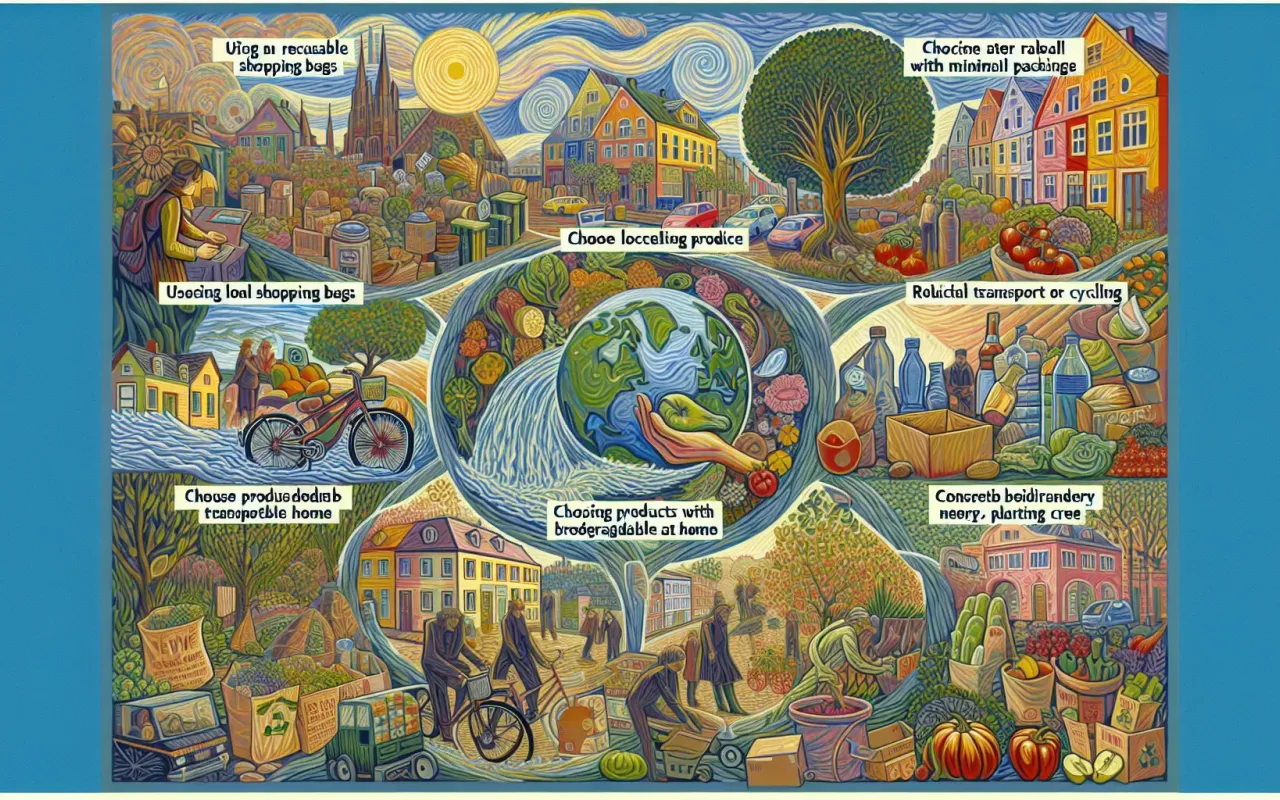
Learn 10 ethical consumption habits for eco-friendly living to transform your lifestyle and contribute to a sustainable future.
- October 20, 2024
In an age of increasing environmental awareness, our personal choices significantly impact the planet. Ethical consumption involves being mindful of how our purchasing decisions affect the environment and society. By adopting ethical consumption habits for eco-friendly living, we can reduce our ecological footprint and contribute to a sustainable future. Here, we outline ten practical habits to help you make a positive change.
1. Choose Sustainable Products
Sustainable products are made with minimal environmental impact. Look for items made from renewable resources, such as bamboo or organic cotton, and those that are recyclable or biodegradable. Opt for products with eco-friendly certifications like Fair Trade, Rainforest Alliance, or USDA Organic.
2. Reduce Plastic Usage
Plastic pollution is a significant environmental concern. Avoid single-use plastics by carrying reusable bags, bottles, and containers. Support companies that use minimal or recyclable packaging and familiarize yourself with local recycling programs.
3. Support Ethical Brands
Research brands to ensure they adhere to ethical practices, including fair wages, humane working conditions, and environmentally friendly processes. Supporting ethical brands encourages more companies to adopt sustainable practices.
4. Buy Locally Sourced Products
Buying locally reduces transportation emissions and supports small businesses. Visit farmers' markets and choose locally grown produce, which is often fresher and more nutritious. Additionally, locally sourced products typically have a smaller carbon footprint.
5. Embrace Minimalism
Minimalism encourages us to own fewer, but more meaningful, possessions. It emphasizes quality over quantity, reducing waste and overconsumption. Decluttering your home and being mindful of new purchases can lead to a more sustainable lifestyle.
6. Practice Ethical Eating
Our food choices have a significant environmental impact. Incorporate more plant-based meals into your diet, as plant-based foods generally require fewer resources to produce than animal products. Choose sustainably sourced seafood and organic, non-GMO produce to further minimize your environmental footprint.
7. Reduce Energy Consumption
Conserving energy reduces greenhouse gas emissions. Implement energy-saving practices such as using LED bulbs, unplugging electronics when not in use, and investing in energy-efficient appliances. Consider renewable energy sources like solar or wind power if feasible.
8. Opt for Eco-Friendly Transportation
Transportation is a major contributor to carbon emissions. Whenever possible, walk, bike, or use public transportation. If you need a vehicle, consider carpooling, using ride-sharing services, or choosing a fuel-efficient or electric car.
9. Reduce, Reuse, Recycle
Follow the three R's to minimize waste. Reduce your consumption by buying only what you need. Reuse items whenever possible, such as repurposing containers or donating used goods. Recycle properly by following local guidelines.
10. Educate and Advocate
Stay informed about environmental issues and share your knowledge. Advocate for policies and practices that promote sustainability at local, national, and global levels. Encourage others to adopt ethical consumption habits for eco-friendly living.
Conclusion
Adopting these ethical consumption habits for eco-friendly living can significantly reduce your environmental impact and contribute to a sustainable future. Each small change adds up, making a considerable difference over time. By making mindful choices, supporting ethical brands, and advocating for sustainability, you can transform your lifestyle and help protect our planet.