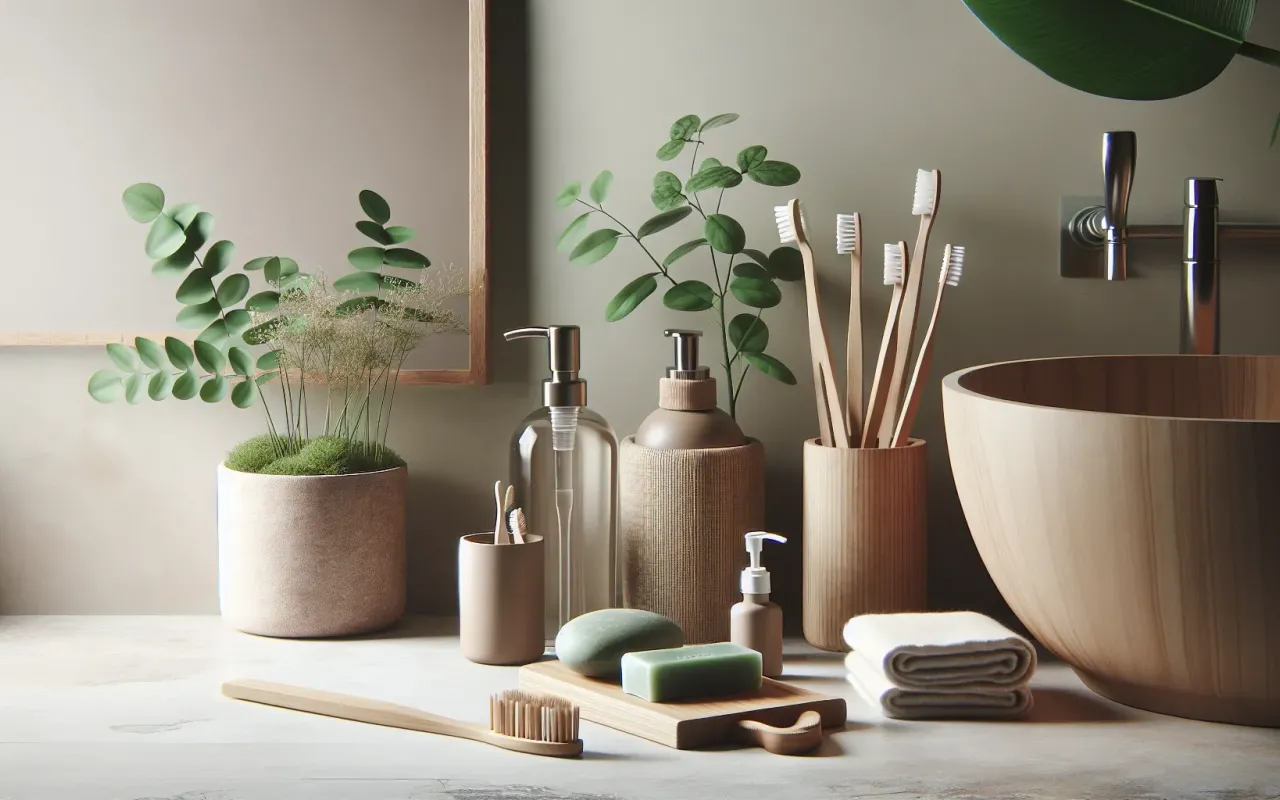
Discover sustainable and eco-friendly bathroom hygiene practices. Learn effective tips to maintain a cleaner home while protecting the environment.
- October 20, 2024
As the environment becomes increasingly threatened by pollution, it’s essential to adopt eco-friendly practices in every aspect of our daily lives, including personal hygiene. The bathroom, a place we use multiple times a day, can be a significant source of waste and pollution. This article will explore various eco-friendly bathroom hygiene practices that help maintain a clean and green home.
Why Eco-Friendly Bathroom Hygiene Matters
Eco-friendly bathroom hygiene is crucial for minimizing your environmental footprint. Traditional hygiene products often contain harmful chemicals and are packaged in single-use plastics that contribute to pollution. By switching to sustainable alternatives, you help protect the environment, reduce waste, and promote healthier living.
Switching to Natural and Organic Products
One of the easiest ways to make your bathroom hygiene routine eco-friendly is by using natural and organic products. These products are made from biodegradable ingredients that are less harmful to the environment.
Natural Soaps and Shampoos
Choose soaps and shampoos free of synthetic fragrances, sulfates, and parabens. Brands like Dr. Bronner's and Ethique offer eco-friendly alternatives made from organic ingredients and packaged in compostable materials.
Organic Cotton Towels
Traditional cotton farming uses a significant amount of pesticides and water. Opt for organic cotton towels which are made using environmentally friendly methods. They are not only better for the planet but also softer and more durable.
Reducing Water Consumption
Water is a precious resource, and conserving it should be a priority in every household. You can significantly reduce water usage in the bathroom with a few mindful changes.
Low-Flow Fixtures
Install low-flow showerheads, faucets, and toilets to reduce water consumption without sacrificing performance. These fixtures are designed to save water and lower your utility bills.
Mindful Water Use
Avoid letting the water run while brushing your teeth or shaving. Take shorter showers and fix any leaks promptly. Every drop counts towards a more sustainable future.
Biodegradable and Reusable Alternatives
Single-use plastics and non-biodegradable materials are significant contributors to pollution. Opt for biodegradable and reusable alternatives to reduce your environmental impact.
Eco-Friendly Toothbrushes
Traditional plastic toothbrushes take hundreds of years to decompose. Choose toothbrushes made from bamboo or other biodegradable materials. Brands like Brush with Bamboo and Humble Co. offer eco-friendly options.
Reusable Razor
Disposable razors generate a lot of waste. Switch to a reusable safety razor with replaceable blades. It’s a more sustainable and cost-effective shaving solution.
DIY Hygiene Products
Creating your own hygiene products allows you to control the ingredients and reduce packaging waste. Here are some simple DIY recipes.
Homemade Toothpaste
Mix baking soda, coconut oil, and a few drops of peppermint essential oil to make an effective natural toothpaste. It’s simple, sustainable, and avoids the plastic tubes of store-bought toothpaste.
Nourishing Hair Mask
Combine avocados, olive oil, and honey to create a nourishing hair mask. This natural treatment promotes healthy hair and avoids the chemicals found in commercial hair products.
Eco-Friendly Cleaning Practices
Cleaning the bathroom with eco-friendly products helps reduce chemical exposure and environmental damage. Here are some green cleaning tips.
Natural Cleaners
Use vinegar, baking soda, and lemon as natural cleaners. They are effective at removing grime and disinfecting surfaces without harmful chemicals.
Reusable Cleaning Cloths
Avoid disposable wipes and paper towels. Use washable microfiber cloths for cleaning. They are more durable and reduce waste.
Conclusion
Adopting eco-friendly bathroom hygiene practices is a significant step towards a sustainable lifestyle. By choosing natural products, conserving water, using biodegradable and reusable alternatives, making DIY hygiene items, and opting for green cleaning methods, you can make a positive impact on the environment. Start small, and gradually incorporate these changes into your daily routine for a cleaner and greener home.