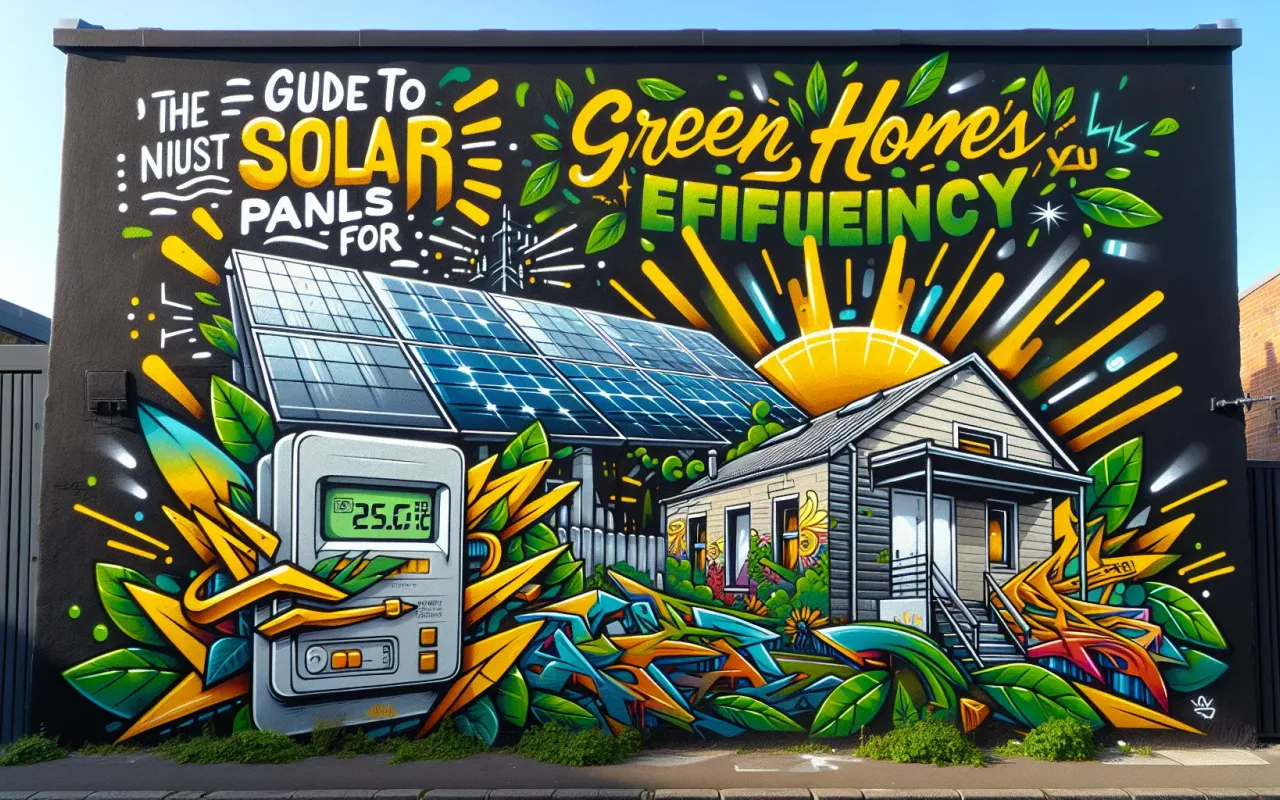
Learn how to install solar panels for green living and enhance your home's efficiency. Our detailed guide covers planning, installation, and maintenance.
- October 18, 2024
AceShowbiz - As we continue to grapple with climate change, installing solar panels for green living has become an increasingly popular option for homeowners. This extensive guide will walk you through the key aspects of solar panel installation—from understanding your home's energy needs to navigating the technical aspects and maintenance requirements. Whether you're an eco-conscious individual or simply looking to reduce your utility bills, this article aims to equip you with all the information you need.
Understanding Solar Energy and Its Benefits
Solar energy is harnessed from the sun's rays and converted into electricity or heat. The adoption of solar panels offers numerous benefits, including:
- Environmental Impact: Producing clean, renewable energy reduces greenhouse gas emissions and lessens our reliance on fossil fuels.
- Cost Savings: While the initial investment can be substantial, the long-term savings on your electricity bills can be significant.
- Tax Incentives: Many governments provide incentives, such as tax credits and rebates, to encourage solar energy adoption.
- Increased Property Value: Homes equipped with solar panels are often valued higher in the real estate market.
Planning Your Solar Panel Installation
Assessing Your Home's Solar Potential
Before installing solar panels, it’s crucial to assess your home's solar potential. Factors to consider include:
- Sunlight Exposure: Your roof should receive ample sunlight throughout the day, ideally with minimal shading from trees or other structures.
- Roof Condition: Ensure your roof is in good condition, as it needs to support the weight of solar panels for several decades.
- Energy Consumption: Review your past energy bills to understand your average energy usage and determine the size of the solar system you'll need.
Choosing the Right Solar Panels
The market offers a variety of solar panels, each with its own set of advantages and disadvantages:
- Monocrystalline Panels: Known for their high efficiency and sleek appearance, these panels work well in limited space but come with a higher price tag.
- Polycrystalline Panels: These are more affordable and have a quicker manufacturing process, though they are slightly less efficient than monocrystalline panels.
- Thin-Film Panels: These panels are versatile and can be used on a variety of roofs but tend to require more space due to their lower efficiency.
The Installation Process
Professional Installation vs. DIY
Deciding between professional installation and a DIY approach depends on your technical expertise and budget.
- Professional Installation: Although costly, employing professionals ensures that the installation is performed correctly and adheres to local regulations.
- DIY Installation: A cost-effective option for those with handyman skills and knowledge of electrical systems. However, this method requires significant effort and an understanding of safety protocols.
Step-by-Step Installation Guide
- Site Assessment: Conduct an on-site assessment to finalize the placement of panels and other components.
- Permits and Paperwork: Obtain the necessary permits from your local municipality and utility company to ensure compliance with regulations.
- Mount Installation: Install the mounting system on your roof, ensuring it is secure and correctly aligned.
- Panel Installation: Attach the solar panels to the mounting system, usually involving bolting them securely in place.
- Electrical Wiring: Follow the manufacturer's guidelines to connect the panels to an inverter, which converts DC to AC electricity.
- Connection to the Grid: Depending on your system, you may need to link to the utility company’s grid to manage excess energy production.
- System Testing: Conduct a series of tests to confirm the system operates efficiently.
Maintaining Your Solar Panels
Regular Maintenance and Cleaning
Maintenance is essential for sustaining optimal performance:
- Cleaning: Keep panels free from debris, dust, and snow to maximize efficiency. Periodic cleaning with water and a soft cloth usually suffices.
- Inspections: Conduct regular inspections to check for wear and tear, ensuring connections and mounts remain secure.
Addressing Common Issues
Being proactive about common issues can prolong the life of your solar panels:
- Performance Monitoring: Utilize monitoring systems to track energy production and identify irregularities promptly.
- Inverter Replacement: Inverters generally have a shorter lifespan than panels and might require replacement after about 10-15 years.
Financial Considerations
Initial Costs and Long-Term Savings
The initial investment for installing solar panels can be significant, but the long-term financial benefits make it worthwhile:
- Initial Costs: Varies based on system size, components, and installation fees. Financing options can spread the cost over several years.
- Long-Term Savings: Reduction in electricity bills and potential earnings from selling excess energy back to the grid can yield substantial savings over time.
Government Incentives and Financing Options
Several financial incentives can reduce the upfront cost:
- Tax Credits: Federal and state tax credits can cover a significant portion of installation costs.
- Rebates: Utility companies and local governments may offer rebates for energy-efficient installations.
- Grants and Loans: Some programs provide grants or low-interest loans for green energy projects.
Conclusion
Installing solar panels for green living is a crucial step toward achieving energy independence and environmental sustainability. With proper planning, informed decision-making, and regular maintenance, homeowners can enjoy the myriad benefits of solar energy. This guide serves as a comprehensive resource to navigate the complexities of solar panel installation, ensuring a smooth and successful transition to renewable energy.