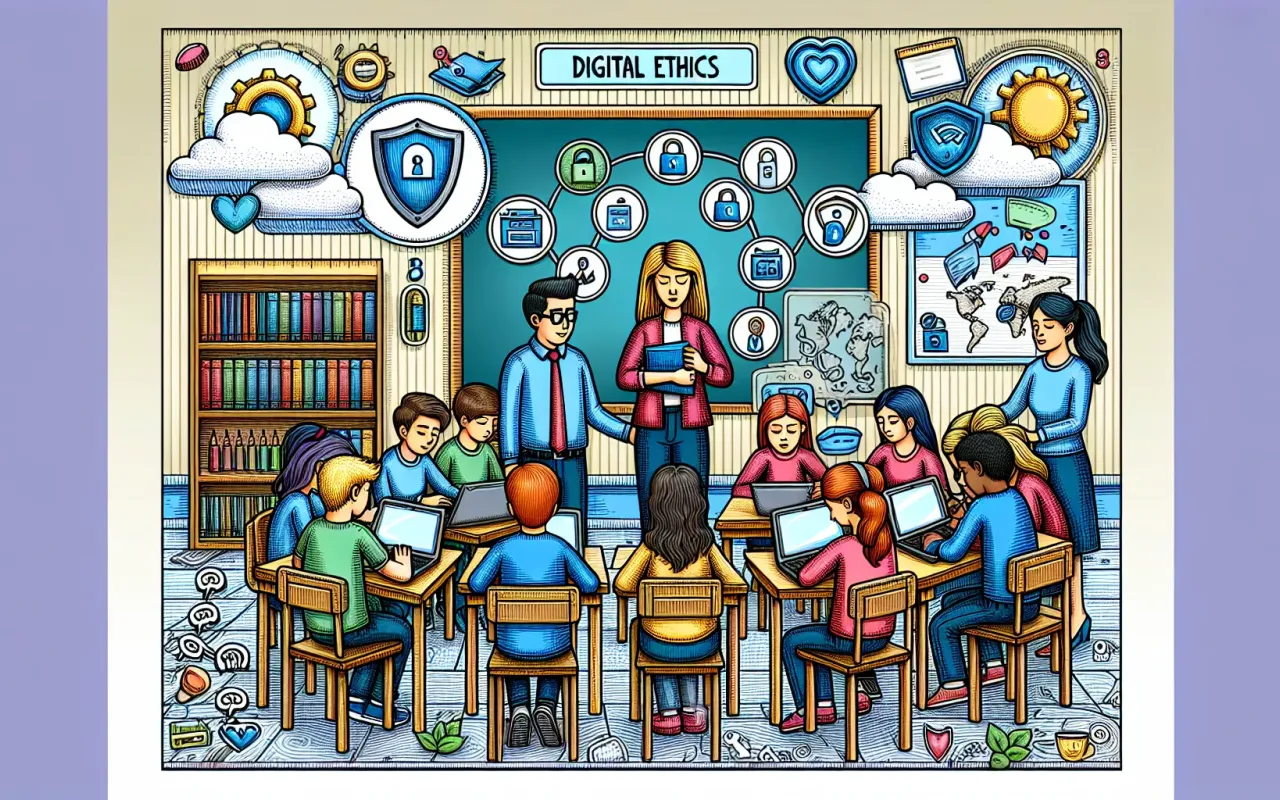
Explore the significance of digital ethics in online education and learn how to create a secure and ethical virtual learning space.
- October 16, 2024
AceShowbiz - In the rapidly evolving landscape of online education, understanding and implementing digital ethics is crucial for creating a safe and effective learning environment. Digital ethics in online education encompasses a set of principles and values that guide behavior in the digital realm, ensuring respect, privacy, fairness, and transparency for all stakeholders involved.
Understanding Digital Ethics in Online Education
The term "digital ethics" refers to the ethical considerations and practices necessary to navigate the digital world responsibly. In the context of online education, digital ethics involves the responsible use of technology, protection of personal data, and respect for intellectual property. By addressing these aspects, educators, institutions, and students can ensure a supportive and secure learning environment.
Data Privacy and Security
One of the most critical components of digital ethics in online education is data privacy and security. Educational institutions must guarantee that students' personal information is protected against unauthorized access and breaches. Adhering to laws such as the General Data Protection Regulation (GDPR) and the Family Educational Rights and Privacy Act (FERPA) ensures compliance and strengthens trust between students and educators.
Academic Integrity
Maintaining academic integrity is another foundational principle of digital ethics in online education. Plagiarism, cheating, and other forms of academic misconduct can undermine the credibility of educational programs. Institutions must implement robust policies and use advanced detection tools to uphold academic honesty and integrity. Educators should also foster an environment that emphasizes the importance of originality and ethical academic practices.
The Role of Educators and Institutions
Educators and institutions play a pivotal role in promoting digital ethics in online education. By setting clear expectations, providing guidance, and incorporating ethical considerations into curricula, they can nurture responsible digital citizens.
Setting Clear Expectations
From the outset, educators should communicate clear guidelines regarding acceptable online behavior and the importance of digital ethics. Providing students with a code of conduct and discussing the consequences of unethical behavior fosters awareness and accountability.
Incorporating Ethical Lessons
Integrating topics related to digital ethics into the curriculum can help students understand their responsibilities in the digital world. Lessons on cybersecurity, data privacy, and intellectual property rights can empower students to make informed decisions and act ethically online.
Providing Tools and Resources
Educational institutions should supply students and educators with resources and tools necessary to uphold digital ethics. This includes access to reliable information on digital security, training on the use of anti-plagiarism software, and guidelines on data protection.
Challenges and Solutions in Implementing Digital Ethics
While the importance of digital ethics in online education is clear, implementing ethical practices can pose challenges. Identifying these obstacles and providing viable solutions is key to fostering a secure and ethical learning environment.
Technical Limitations
Many institutions face technical limitations in enforcing digital ethics, including outdated systems and lack of resources. Investing in modern technology infrastructure and partnering with tech companies can help overcome these challenges.
Balancing Privacy and Transparency
Striking a balance between privacy and transparency is another challenge. Institutions must be transparent about their data collection practices while ensuring robust privacy protections. Developing comprehensive privacy policies and regularly reviewing them can help maintain this balance.
Global Considerations
With online education crossing international boundaries, adhering to diverse legal and ethical standards can be complex. Institutions should stay informed of global regulations and adopt practices that align with universal ethical principles.
Conclusion: Fostering a Culture of Digital Ethics
In conclusion, digital ethics in online education is vital for building a safe and trustworthy learning environment. By prioritizing data privacy, academic integrity, and ethical behavior, educators and institutions can nurture a culture of responsibility and respect in the digital realm. Overcoming challenges through strategic investments in technology, transparency, and adherence to global standards will pave the way for a more secure and ethical online education landscape.
Ultimately, fostering a culture of digital ethics not only enhances the educational experience but also prepares students to navigate the complexities of the digital world responsibly. As we continue to embrace online education, it is imperative that we prioritize ethical considerations to create a future where digital learning is both effective and ethical.