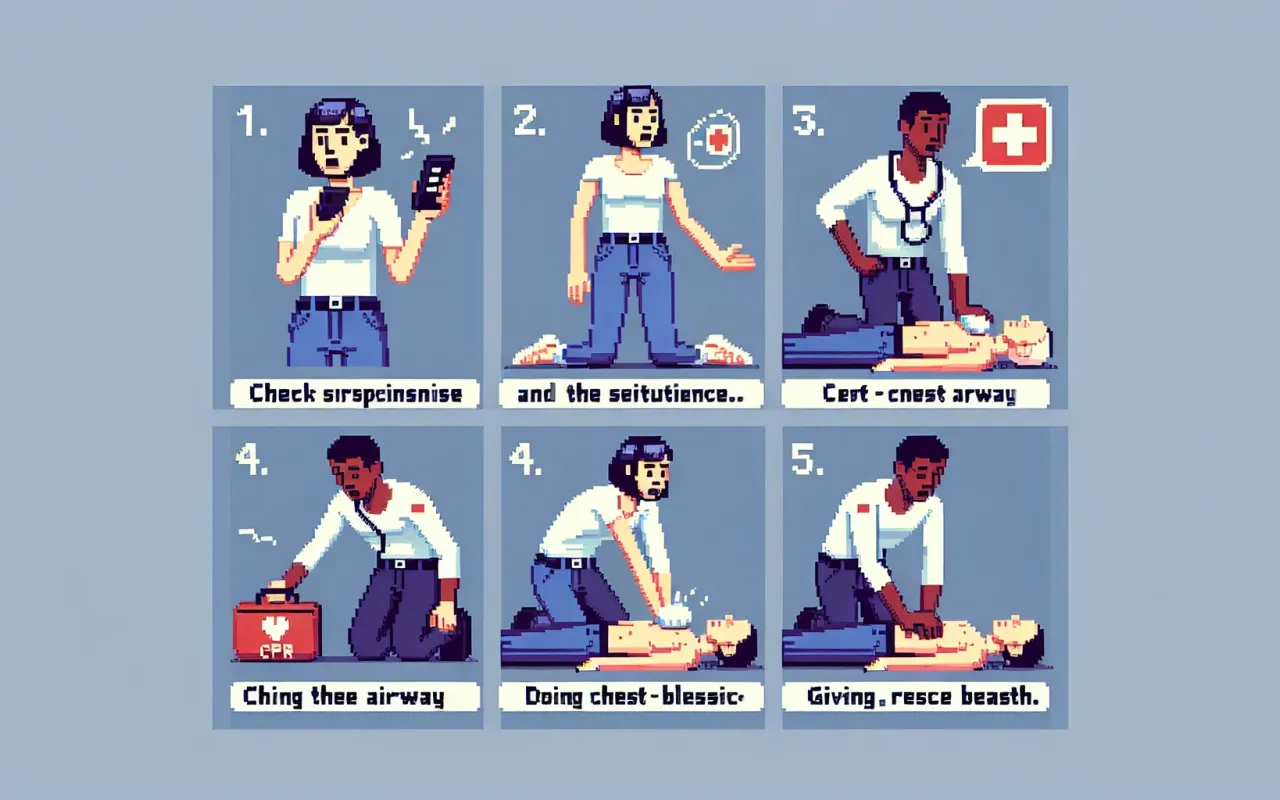
Discover the 5 essential CPR techniques you need to know for first aid emergencies. Learn how to act swiftly and effectively in critical situations.
- October 15, 2024
AceShowbiz - Cardiopulmonary resuscitation (CPR) is a critical life-saving technique that can make the difference between life and death in various emergency situations. Whether someone is experiencing a cardiac arrest, drowning, or choking, knowing the right CPR techniques for first aid emergencies can significantly improve the chances of survival.
Understanding the Importance of CPR
CPR helps maintain vital blood flow to the heart and brain until professional medical help can arrive. The immediate response in the first few minutes of an emergency is crucial, as brain damage can occur within four minutes without oxygen. Therefore, being trained in CPR techniques is an invaluable skill that empowers individuals to act swiftly and confidently during emergencies.
Essential CPR Techniques for First Aid Emergencies
1. Chest Compressions
Chest compressions are the cornerstone of CPR. They help maintain blood flow to vital organs by manually pumping the heart. To perform chest compressions:
- Place the heel of one hand on the center of the person's chest.
- Place your other hand on top of the first and interlock your fingers.
- Keep your elbows straight and use your upper body weight to compress the chest at least 2 inches deep at a rate of 100-120 compressions per minute.
2. Rescue Breaths
Rescue breaths provide oxygen to the person's lungs and are essential when the person is not breathing normally. To perform rescue breaths:
- Tilt the person's head back slightly and lift their chin to open the airway.
- Pinch the person's nose shut and cover their mouth with yours, forming a complete seal.
- Give two breaths, each lasting about one second, making sure the chest rises with each breath.
Combine rescue breaths with chest compressions in a 30:2 ratio (30 compressions followed by 2 breaths).
3. CPR for Infants and Children
CPR techniques for infants (under 1 year old) and children (1-8 years old) differ slightly from those for adults:
CPR for Infants:
- Use two fingers to perform chest compressions in the center of the chest, just below the nipple line.
- Compress the chest about 1.5 inches deep at a rate of 100-120 compressions per minute.
- Give gentle breaths, just enough to make the chest rise.
CPR for Children:
- Use one hand or two depending on the child's size to perform chest compressions in the center of the chest.
- Compress the chest about 2 inches deep at a rate of 100-120 compressions per minute.
- Give rescue breaths similar to those for adults, ensuring chest rise.
4. Automated External Defibrillator (AED) Use
An Automated External Defibrillator (AED) can deliver a shock to help restart the heart. Most AEDs provide step-by-step instructions:
- Turn on the AED and follow the voice prompts.
- Attach the electrode pads to the person's bare chest as indicated.
- Ensure no one is touching the person and clear the area before delivering a shock.
- Resume CPR immediately after the shock until advanced medical help arrives or the person shows signs of life.
5. Hands-Only CPR
Hands-only CPR is an effective alternative for untrained bystanders or when rescue breaths are not feasible. Focus solely on chest compressions:
- Place your hands in the center of the chest and perform strong, fast compressions at a rate of 100-120 per minute.
- Continue without interruption until professional help arrives or the person begins to show signs of recovery.
Conclusion
Knowing and applying the correct CPR techniques for first aid emergencies can save lives. By understanding how to perform chest compressions, rescue breaths, and use an AED, anyone can make a significant difference in critical situations. It’s essential to stay updated with the latest guidelines and consider taking certified CPR courses to enhance your skills. Remember, in an emergency, every second counts, and your timely intervention can be the key to saving a life.