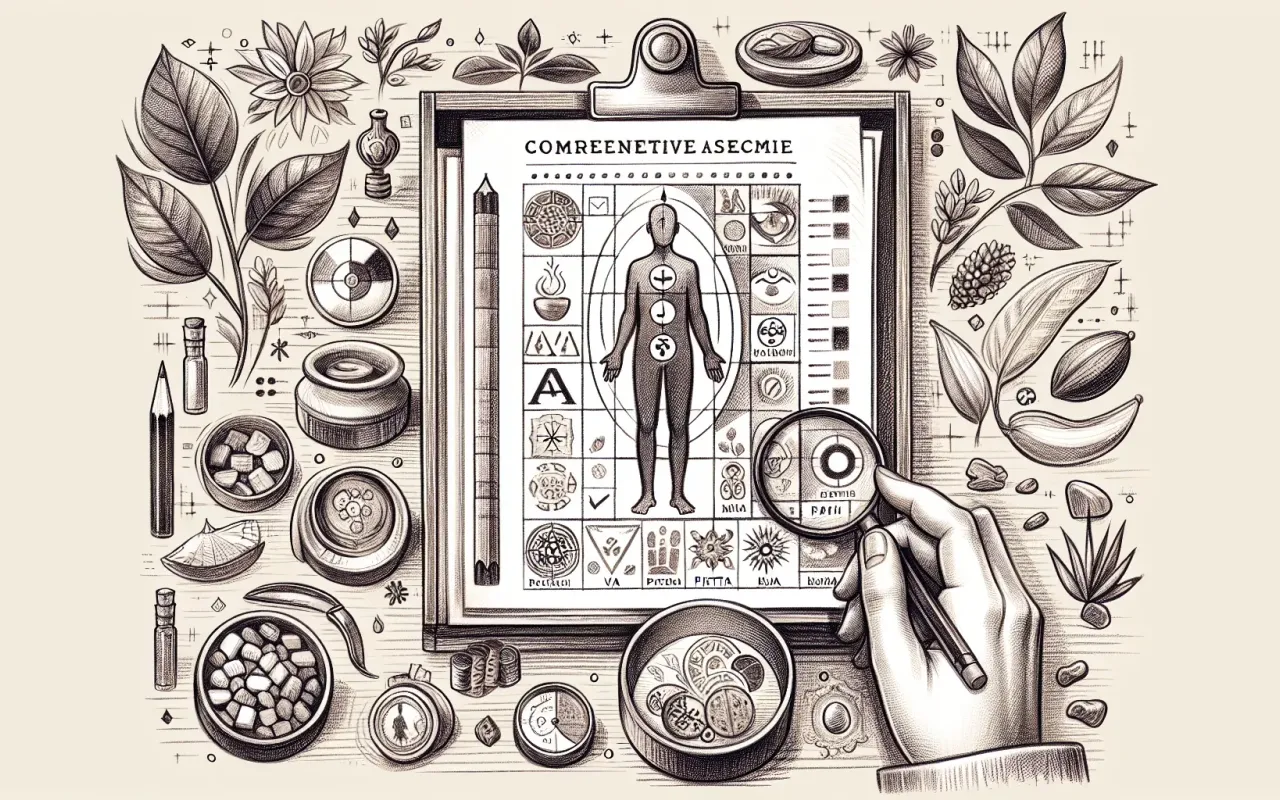
Unlock the secrets of Ayurveda with our comprehensive Ayurvedic body type assessment guide. Learn how to identify your Dosha and achieve optimal health.
- October 14, 2024
Ayurveda, a holistic science of health, has been practiced in India for more than 5,000 years. One central aspect of Ayurveda is the concept of Doshas—body types that define one's physical and mental state. Understanding your Ayurvedic body type through a detailed assessment can help you fine-tune your diet, lifestyle, and overall well-being. In this comprehensive guide, we will dive deep into the Ayurvedic body type assessment to help you discover your unique constitution.
What is an Ayurvedic Body Type?
Ayurveda categorizes individuals into three main body types or Doshas: Vata, Pitta, and Kapha. These Doshas are derived from the five elements—space, air, fire, water, and earth. Each person has a unique combination of these Doshas, which influences their physical structures, mental traits, and susceptibilities to various conditions.
The Three Doshas Explained
Vata Dosha
Vata is primarily composed of air and space. People with a dominant Vata Dosha often exhibit characteristics such as creativity, flexibility, and vitality. Physically, Vata types may be slender with dry skin and a tendency to feel cold. They are prone to anxiety, insomnia, and digestive issues.
Pitta Dosha
Pitta is mainly constituted of fire and water. Individuals with a dominant Pitta Dosha are usually strong, determined, and motivated. Physically, they have a medium build, warm body temperature, and often have issues such as rashes or heartburn. They can be prone to anger and impatience.
Kapha Dosha
Kapha consists of water and earth. Those with a dominant Kapha Dosha are generally calm, loyal, and resilient. Physically, they tend to have a larger build, oily skin, and may struggle with weight gain. They are susceptible to lethargy and respiratory ailments.
How to Determine Your Ayurvedic Body Type
Determining your Ayurvedic body type involves assessing your physical attributes, mental characteristics, and behavioral tendencies. Here are steps for an Ayurvedic body type assessment:
Step 1: Physical Attributes
Evaluate your physical features such as body frame, skin texture, and hair type. For example, Vata types often have a lightweight frame, dry skin, and curly hair.
Step 2: Mental Characteristics
Consider your mental and emotional traits. Vata is linked with creativity and enthusiasm, Pitta with intelligence and focus, and Kapha with calmness and stability.
Step 3: Behavioral Tendencies
Identify your daily habits and tendencies. For instance, Vata types may have irregular eating and sleeping patterns, while Kapha types may enjoy a routine lifestyle.
Consult an Ayurvedic Practitioner
If you’re unsure about your self-assessment, it is highly recommended to consult with an Ayurvedic practitioner. They can provide a more precise evaluation through an in-person consultation, involving pulse diagnosis and further questioning.
Benefits of Knowing Your Ayurvedic Body Type
Understanding your Ayurvedic body type has multiple health and wellness benefits:
- Personalized Nutrition: Tailor your diet to your Dosha for better digestion and overall health.
- Optimal Lifestyle: Align your daily routines with your body type to maintain balance and energy.
- Preventive Healthcare: Address vulnerabilities specific to your Dosha before they turn into major health issues.
- Enhanced Mental Well-being: Recognize and manage emotional tendencies linked to your Dosha.
Actionable Tips for Each Dosha
Tips for Vata Types
- Diet: Opt for warm, cooked foods, and avoid raw or cold items.
- Routine: Establish a consistent daily routine for meals and sleep.
- Exercise: Engage in calming activities such as yoga and stretching.
Tips for Pitta Types
- Diet: Consume cooling foods like fruits and vegetables, and avoid spicy foods.
- Routine: Avoid overexertion and take regular breaks.
- Exercise: Include moderate activities like swimming and cycling.
Tips for Kapha Types
- Diet: Favor light, spicy foods and avoid heavy, oily meals.
- Routine: Incorporate variety and stimulation into your daily activities.
- Exercise: Engage in vigorous activities such as aerobics and running.
Conclusion: Embrace Your Unique Ayurvedic Blueprint
Understanding and embracing your Ayurvedic body type is a vital step towards optimal health and wellness. By conducting a thorough Ayurvedic body type assessment, you can customize your diet, lifestyle, and self-care practices to align with your unique Dosha. Whether you are Vata, Pitta, Kapha, or a combination, Ayurveda offers valuable wisdom for living in harmony with your inherent nature.