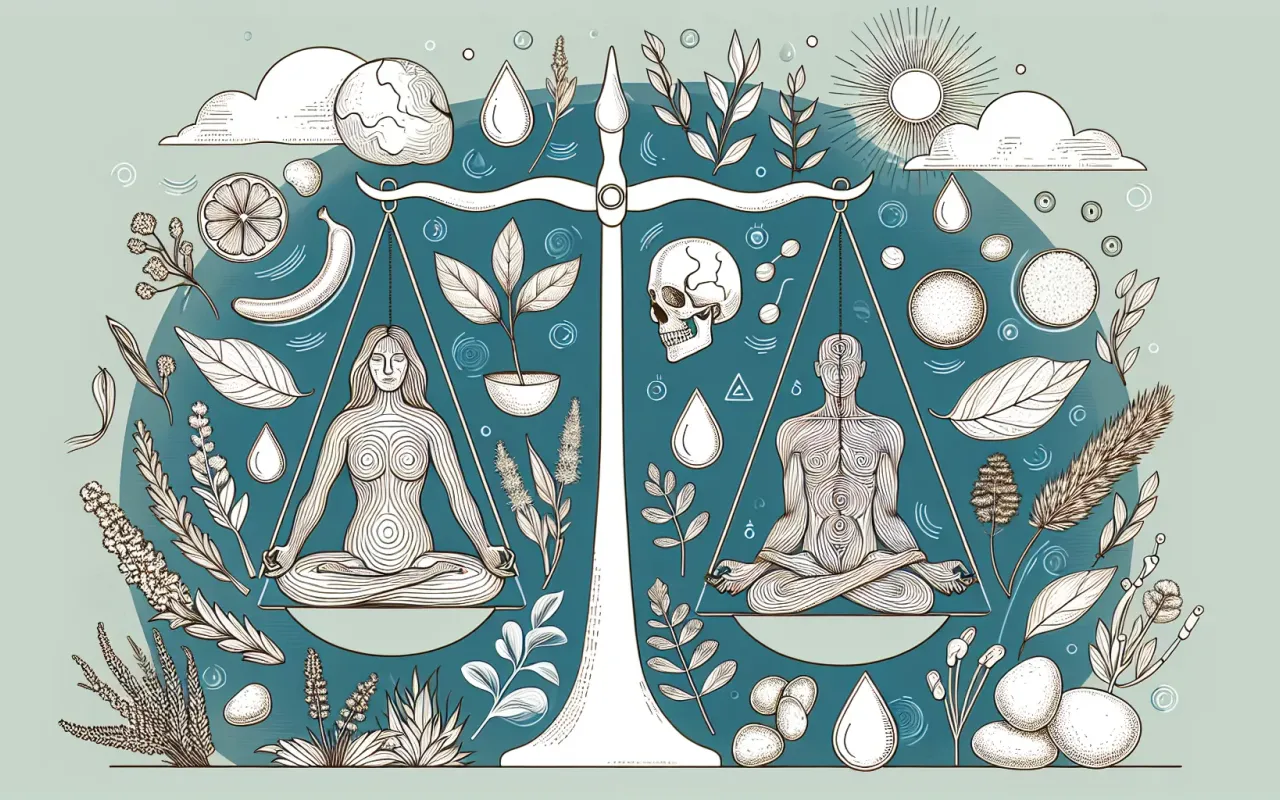
Explore the benefits of naturopathy and functional medicine for achieving hormonal balance. Learn about natural solutions for optimal health.
- October 13, 2024
AceShowbiz - Your hormones play a pivotal role in regulating various essential functions within your body, from metabolism and mood to reproductive health. Hormonal imbalances can lead to numerous health issues, including fatigue, weight gain, and mood swings. Naturopathy and functional medicine offer holistic and personalized approaches to restore hormonal balance, promoting optimal health and well-being. In this article, we explore how these alternative medical practices can help you achieve hormonal balance naturally.
Understanding Hormonal Imbalance
Hormones are chemical messengers that influence almost every cell, organ, and function in your body. They are intricately linked to processes like growth, metabolism, immunity, and reproduction. A hormonal imbalance occurs when there is either an excess or deficiency of a hormone. Several factors can trigger hormonal imbalances, including stress, poor diet, lack of exercise, environmental toxins, and genetic predispositions.
What Is Naturopathy?
Naturopathy is a form of alternative medicine that emphasizes the body's ability to heal itself. It combines traditional healing methods with modern science to offer natural therapies, such as herbal medicine, nutrition, and lifestyle counseling. Naturopaths focus on treating the root cause of an ailment rather than just alleviating symptoms. This holistic approach ensures that all aspects of a person's health are addressed, including physical, emotional, and spiritual well-being.
What Is Functional Medicine?
Functional medicine is a systems-oriented approach that identifies and addresses the root causes of disease. It focuses on the interactions between genetics, environment, and lifestyle factors. Functional medicine practitioners create personalized treatment plans to improve the health of patients by considering their unique biochemical make-up. They aim to restore balance in the body's systems, thereby promoting overall well-being rather than just treating isolated symptoms.
How Naturopathy and Functional Medicine Address Hormonal Imbalance
Both naturopathy and functional medicine take a comprehensive approach to hormonal balance. They use various diagnostic tools and techniques to understand the underlying causes of an individual's hormonal issues. These may include:
1. Comprehensive Hormonal Testing
Accurate diagnosis is the first step in treating hormonal imbalance. Naturopaths and functional medicine practitioners use comprehensive testing methods, such as saliva, blood, and urine tests, to measure hormone levels. These tests help identify which hormones are out of balance and provide insight into the overall functioning of the endocrine system.
2. Nutritional Therapy
Diet plays a crucial role in hormonal health. Both practices emphasize the importance of a balanced diet rich in nutrients to support hormonal function. Foods such as leafy greens, fatty fish, nuts, seeds, and whole grains can have a positive impact on hormone levels. Avoiding processed foods, refined sugars, and excessive caffeine can also help in maintaining hormonal balance.
3. Herbal Medicine
Herbs have been used for centuries to support endocrine health. Adaptogenic herbs like Ashwagandha, Rhodiola, and Holy Basil help the body adapt to stress and maintain balance. Hormone-balancing herbs such as Vitex, Maca, and Black Cohosh can also be effective in regulating menstrual cycles and alleviating symptoms of hormonal imbalances.
4. Lifestyle Modifications
Stress management, regular exercise, and adequate sleep are vital components of hormonal health. Naturopathy and functional medicine practitioners often incorporate lifestyle counseling into their treatment plans. Techniques like yoga, meditation, and deep-breathing exercises can help reduce stress levels, which in turn can have a positive impact on hormone regulation.
5. Detoxification
Environmental toxins can disrupt hormone function. Both naturopathy and functional medicine emphasize the importance of detoxification to eliminate harmful substances from the body. This may involve dietary changes, such as increasing fiber intake, and using specific supplements to support liver function and overall detoxification processes.
6. Personalized Supplementation
Based on individual needs, practitioners may recommend supplements to support hormonal health. These might include vitamins, minerals, and specific herbs known to influence hormone levels. For example, magnesium and omega-3 fatty acids are essential for maintaining hormonal balance and overall health.
Success Stories and Research
There is a growing body of evidence supporting the effectiveness of naturopathy and functional medicine in treating hormonal imbalances. For instance, a study published in the Journal of Clinical Endocrinology & Metabolism found that lifestyle changes, dietary modifications, and specific supplements could significantly improve symptoms of hormonal imbalance in women with polycystic ovary syndrome (PCOS). Additionally, research in the Journal of Alternative and Complementary Medicine highlights the positive effects of herbal medicine on menopausal symptoms.
Choosing the Right Practitioner
When seeking a naturopathic or functional medicine practitioner, it's essential to ensure they are well-qualified and have the necessary credentials. Look for practitioners who are board-certified and have experience in treating hormonal imbalances. A good practitioner will take the time to understand your health history, listen to your concerns, and work with you to create a personalized treatment plan.
Conclusion
Hormonal imbalances can significantly impact your quality of life, but natural solutions are available. Naturopathy and functional medicine offer holistic, personalized approaches to achieve hormonal balance and optimal health. By addressing the root causes of imbalance through comprehensive testing, nutritional therapy, herbal medicine, lifestyle modifications, detoxification, and personalized supplementation, these practices empower individuals to take charge of their health and well-being.
For those dealing with hormonal issues, consulting with a qualified naturopathic or functional medicine practitioner could be the first step towards restoring balance and achieving a healthier, more vibrant life.