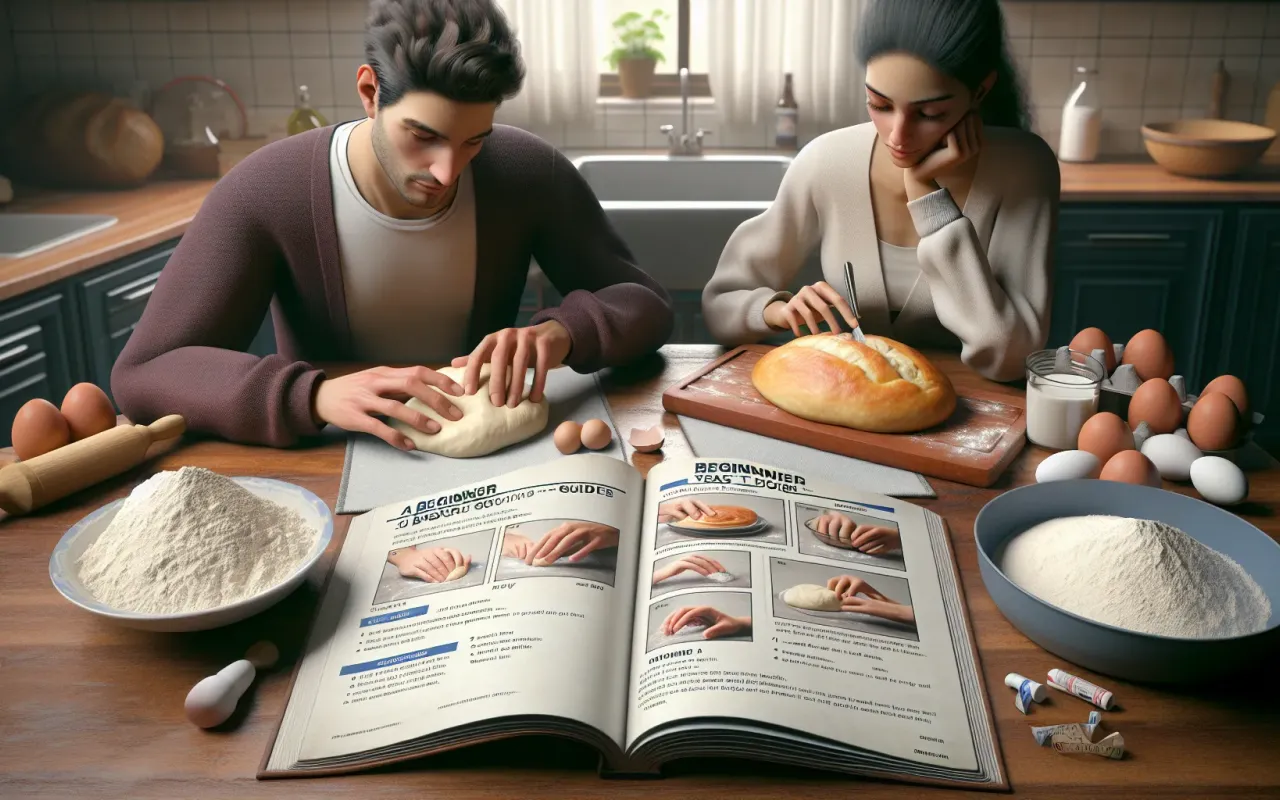
Learn fundamental simple baking techniques for amateurs with this comprehensive beginners guide. Discover tips, tricks, and essential methods to make your baking journey successful.
- October 10, 2024
If you’ve ever found yourself mesmerized by the tantalizing aromas wafting from a bakery or wanted to surprise your loved ones with a homemade treat, this guide is for you. Diving into baking might seem daunting, but mastering simple baking techniques for amateurs can transform you from a novice to a confident home baker. This comprehensive guide will walk you through essential methods, tips, and tricks to make your baking journey successful and enjoyable.
Why Start with Simple Baking Techniques?
Starting with basic techniques is crucial for building your foundation in baking. By understanding and mastering fundamental methods, you can gradually progress to more complex recipes with confidence. Simple baking techniques provide a manageable learning curve and often require minimal equipment, making them perfect for amateurs.
Essential Baking Tools for Beginners
Before you embark on your baking adventure, it's important to have the right tools. Here’s a list of must-have baking essentials:
Measuring Tools
- Measuring cups and spoons: Accurate measurements are crucial in baking.
- Kitchen scale: For precise measurements, especially in recipes that call for weight rather than volume.
Baking Equipment
- Mixing bowls: Preferably a set of various sizes.
- Whisk and spatula: Essential for blending ingredients and scraping bowls.
- Baking pans: Invest in a variety of shapes and sizes including loaf pans, cake pans, and cookie sheets.
- Parchment paper: For easy cleanup and preventing sticking.
Oven Tools
- Oven thermometer: Ensures your oven is heating accurately.
- Cooling racks: To cool baked goods evenly and prevent sogginess.
Basic Baking Ingredients
Understanding the role of each ingredient is essential for successful baking. Common baking ingredients include:
Flour
Flour provides structure to baked goods. All-purpose flour is versatile and suitable for most recipes, while specialty flours like whole wheat or cake flour can be used for specific needs.
Sugar
Sugar adds sweetness and also affects the texture and color of baked goods. Granulated sugar is most commonly used, but brown sugar, powdered sugar, and other varieties offer unique properties.
Leavening Agents
Leavening agents such as baking powder, baking soda, and yeast help baked goods rise and become airy.
Fats
Fats like butter, oil, and shortening add moisture and flavor. Each type of fat has different properties, so it’s important to use the one specified in the recipe.
Eggs
Eggs bind ingredients together, add moisture, and provide structure. They also help in leavening.
Liquids
Milk, water, and other liquids are essential for hydrating dry ingredients and forming the batter or dough.
Step-by-Step Basic Baking Techniques
Let’s delve into some fundamental baking techniques that every amateur should master:
1. Measuring Accurately
Precision in measuring ingredients can make or break your recipe. Use measuring cups for dry ingredients and liquid measuring cups for liquids. For the best accuracy, weigh your ingredients using a kitchen scale whenever possible.
2. Mixing Methods
Different recipes call for different mixing methods. The most common are:
Creaming
Combining butter and sugar to incorporate air and create a light, fluffy mixture.
Folding
Gently combining ingredients to maintain air in the batter, typically done with a spatula.
Whisking
Incorporating air into ingredients by using a whisk.
3. Kneading Dough
Kneading helps develop gluten, which gives bread its structure. To knead, push the dough with the heel of your hand, fold, and repeat until the dough is smooth and elastic.
4. Proofing
Allowing dough to rest and rise until it doubles in size. This step is essential for yeast-based recipes.
5. Baking
Preheat your oven and bake according to the recipe instructions. Use an oven thermometer to ensure accuracy. Rotate pans halfway through baking for even cooking.
6. Cooling
Allow baked goods to cool on a wire rack. This prevents condensation and keeps your treats from becoming soggy.
Baking Tips for Amateurs
Here are some additional tips to enhance your baking experience:
- Read Recipes Thoroughly: Understand all the steps and gather ingredients before starting.
- Room Temperature Ingredients: Many recipes require ingredients like butter and eggs to be at room temperature for better mixing.
- Don’t Overmix: Overmixing can lead to tough baked goods. Mix just until combined.
- Practice Patience: Baking is a precise science. Follow recipes carefully and don’t rush the process.
Conclusion
Mastering simple baking techniques for amateurs is all about understanding the basics, practicing patience, and enjoying the process. With the right tools, ingredients, and techniques, you’ll find baking to be a rewarding and delicious hobby. Keep experimenting, learn from your mistakes, and most importantly, have fun baking!