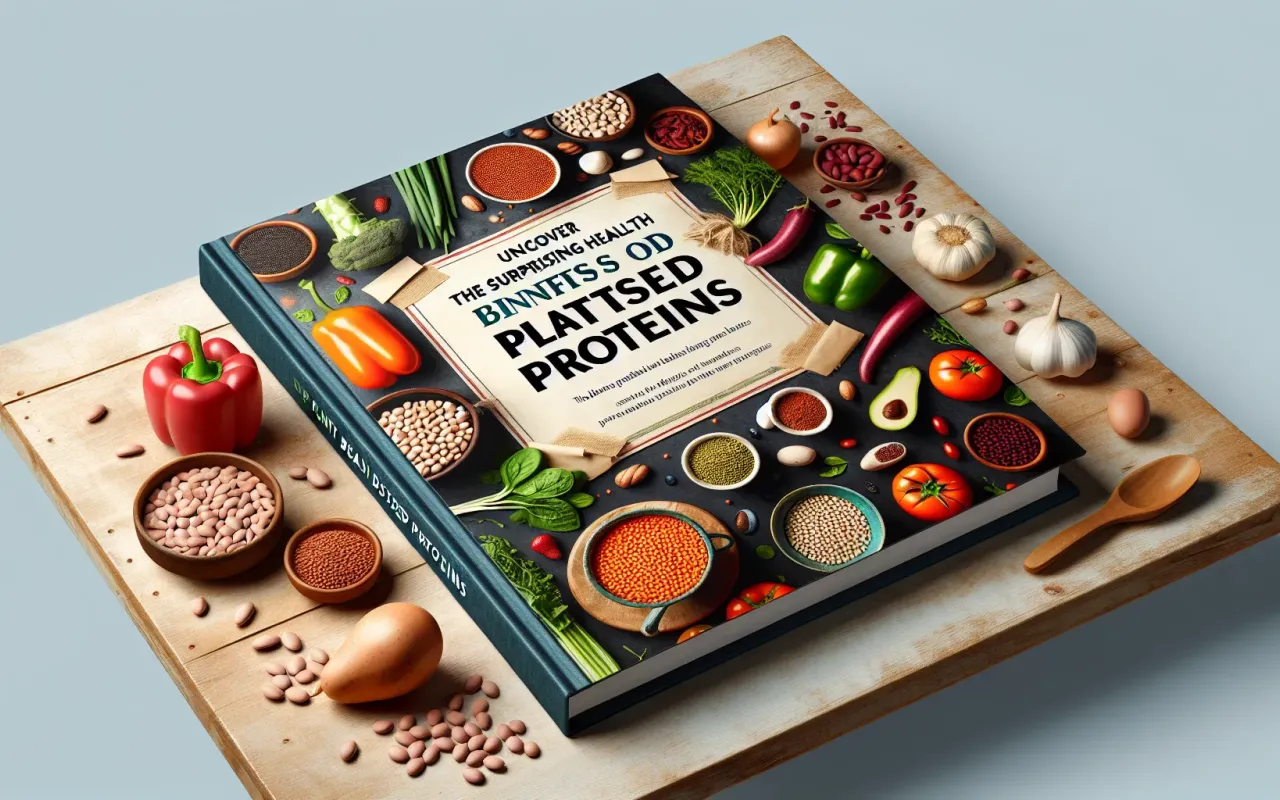
Discover the wide range of health benefits of plant-based proteins, from improving heart health to supporting weight loss. This comprehensive guide offers insights and practical tips for incorporating plant-based proteins into your diet.
- October 6, 2024
In recent years, the shift towards plant-based diets has gained momentum, driven by a growing body of research that highlights the myriad health advantages. Among the key components of a plant-based diet are plant-based proteins, which offer a plethora of health benefits that extend far beyond simply providing an alternative to animal-derived proteins. This comprehensive guide delves into the surprising health benefits of plant-based proteins, underscoring the importance of incorporating them into your diet.
Understanding Plant-Based Proteins
Plant-based proteins are derived from various plant sources such as legumes, nuts, seeds, grains, and vegetables. They are rich in essential amino acids, vitamins, minerals, and dietary fibers. Unlike animal proteins, plant-based proteins come with a host of additional nutrients and are often lower in calories and fat, making them an excellent choice for those seeking to improve their overall health.
Health Benefits of Plant-Based Proteins
1. Improved Heart Health
One of the most notable health benefits of plant-based proteins is their positive impact on heart health. Studies have shown that diets rich in plant-based proteins can help reduce the risk of heart disease. This is largely due to their low levels of saturated fat and cholesterol. Additionally, many plant-based proteins, such as legumes and nuts, are high in heart-healthy fibers and antioxidants, which can help lower blood pressure and improve cholesterol levels.
2. Weight Management and Fat Loss
Incorporating plant-based proteins into your diet can aid in weight management. Foods like beans, lentils, and quinoa are not only high in protein but also rich in fiber, which promotes satiety and helps control hunger. This can lead to reduced calorie intake and, consequently, weight loss. Moreover, plant-based diets are generally lower in calories and fats compared to diets that include animal proteins.
3. Enhanced Digestive Health
Plant-based proteins are an excellent source of dietary fiber, which plays a crucial role in maintaining a healthy digestive system. Fiber aids in regular bowel movements, prevents constipation, and contributes to a healthy gut microbiome. Improved digestion can also promote better absorption of nutrients, leading to enhanced overall health.
4. Reduced Inflammation
Chronic inflammation is a precursor to various chronic diseases, including diabetes, cancer, and autoimmune conditions. Plant-based proteins, particularly those from sources like soybeans, peas, and certain nuts, contain anti-inflammatory compounds. These help reduce inflammation in the body, promoting better long-term health and potentially reducing the risk of chronic diseases.
5. Environmental and Ethical Benefits
Aside from personal health benefits, opting for plant-based proteins also has significant environmental and ethical advantages. Plant-based protein production generally requires fewer resources and results in lower greenhouse gas emissions compared to animal protein production. Additionally, choosing plant-based proteins can align with ethical considerations regarding animal welfare.
Top Plant-Based Protein Sources
Let's explore some of the best plant-based protein sources to incorporate into your diet:
1. Legumes
Beans, lentils, chickpeas, and peas are excellent sources of protein and fiber. They are versatile and can be used in soups, stews, salads, and more.
2. Nuts and Seeds
Almonds, chia seeds, flaxseeds, and hemp seeds not only provide protein but also offer healthy fats, vitamins, and minerals. They can be added to smoothies, oatmeal, or enjoyed as snacks.
3. Grains
Quinoa, farro, and barley are protein-rich grains that can be used as a base for salads or served as a side dish.
4. Soy Products
Tofu, tempeh, edamame, and soy milk are excellent sources of complete proteins, meaning they contain all essential amino acids. They can be incorporated into various recipes, from stir-fries to smoothies.
5. Vegetables
Certain vegetables like broccoli, spinach, and Brussels sprouts offer a good amount of protein in addition to their other nutritional benefits. They can be eaten raw or cooked to suit your preference.
Practical Tips for Incorporating Plant-Based Proteins
Transitioning to a diet rich in plant-based proteins doesn't have to be daunting. Here are some practical tips to help you get started:
1. Start Small
Begin by incorporating one plant-based meal per day, such as a breakfast smoothie with protein-rich ingredients like chia seeds and almond milk.
2. Experiment with Recipes
Explore different recipes and cooking methods to find plant-based dishes you enjoy. Websites and cookbooks dedicated to plant-based eating can offer plenty of inspiration.
3. Swap Ingredients
Replace animal proteins in your favorite recipes with plant-based alternatives. For example, use lentils instead of ground beef in tacos or burgers.
4. Combine Protein Sources
Combine various plant-based protein sources to ensure you get all essential amino acids. For instance, eating rice and beans together provides a complete protein.
5. Stay Informed
Keep yourself educated on the nutritional content of different plant-based foods to ensure your diet is well-balanced and meets your protein needs.
Conclusion
The health benefits of plant-based proteins are extensive and well-supported by research. From promoting heart health and aiding in weight management to reducing inflammation and improving digestion, these proteins offer a comprehensive approach to better health. By understanding the best sources of plant-based proteins and incorporating them into your diet, you can enjoy these benefits while also contributing to environmental sustainability and ethical eating practices.