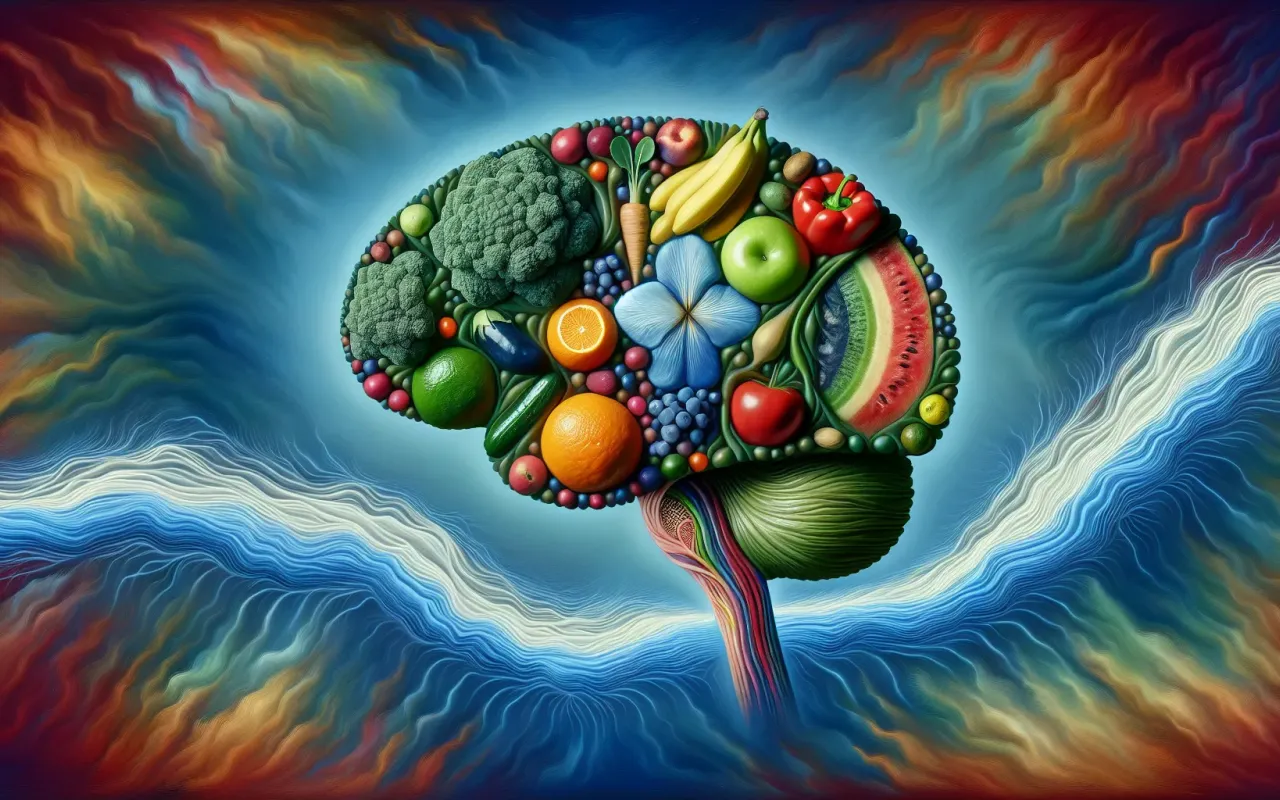
Discover how a healthy diet helps with stress and get actionable tips for a calmer mind. Learn how dietary choices can influence your mental well-being.
- October 3, 2024
In today's fast-paced world, stress is an almost inevitable part of life. However, how we manage it can make a significant difference in our overall well-being. Interestingly, one of the most effective ways to combat stress is through diet. This article explores how a healthy diet helps with stress, offering practical tips for achieving a calmer mind and improved mental resilience.
Understanding Stress and Its Impact on Health
Stress is a natural response to challenges or threats, triggering the body’s fight-or-flight response. While short-term stress can be beneficial for immediate survival, chronic stress can lead to various health issues, including anxiety, depression, cardiovascular disease, and weakened immunity. Understanding the impact of stress on your health is the first step in mitigating its negative effects.
The Connection Between Diet and Stress
Nutrition and Brain Function
What you eat directly affects your brain's structure and function, influencing mood and stress levels. Foods rich in essential nutrients such as vitamins, minerals, and antioxidants are critical for maintaining brain health. Conversely, a diet high in processed foods, sugars, and unhealthy fats can exacerbate stress and anxiety.
Gut-Brain Axis
The gut-brain axis refers to the bidirectional communication network between the gut and the brain. A healthy gut flora has been linked to improved mood and reduced stress levels. Probiotics and prebiotics, found in foods such as yogurt, sauerkraut, and fiber-rich fruits and vegetables, promote a healthy gut environment.
Nutrients That Help Combat Stress
Complex Carbohydrates
Complex carbohydrates, such as whole grains, fruits, and vegetables, can increase the production of serotonin, a neurotransmitter that regulates mood. Consuming a diet rich in complex carbs helps stabilize blood sugar levels, which in turn prevents mood swings and reduces irritability.
Omega-3 Fatty Acids
Omega-3 fatty acids, found in fatty fish like salmon, as well as flaxseeds and walnuts, have been shown to reduce inflammation and promote brain health. They can also help alleviate symptoms of depression and anxiety, contributing to overall mental well-being.
Magnesium
Magnesium is a vital mineral that plays a crucial role in over 300 biochemical reactions in the body. It helps regulate the nervous system and can mitigate the physical effects of stress. Foods high in magnesium include leafy greens, nuts, seeds, and whole grains.
Vitamin C
Vitamin C is known for its immune-boosting properties, but it also plays a role in mood regulation. Citrus fruits, strawberries, bell peppers, and broccoli are excellent sources of vitamin C, which can help lower stress hormone levels and improve overall mental health.
Antioxidants
Antioxidants help neutralize free radicals, which can damage cells and contribute to stress. Foods high in antioxidants include berries, dark chocolate, and green tea. Incorporating these into your diet can support a healthier mind and body.
Practical Tips for a Stress-Reducing Diet
Plan and Prepare Your Meals
Planning and preparing your meals can help you make healthier choices and avoid impulsive eating. Aim to include a variety of nutrient-dense foods in your diet, focusing on fresh, whole ingredients.
Avoid Caffeine and Sugar
While caffeine and sugar can provide a temporary energy boost, they often lead to crashes that can exacerbate stress and anxiety. Limit your intake of caffeinated beverages and sugary snacks, opting for water, herbal teas, and whole fruits instead.
Practice Mindful Eating
Mindful eating involves paying attention to what you eat and how you eat it. This practice can help you savor your food, reduce overeating, and promote better digestion. Take the time to enjoy your meals without distractions like television or smartphones.
Stay Hydrated
Dehydration can lead to fatigue and increased stress levels. Ensure you drink enough water throughout the day to stay hydrated and support optimal brain function.
Incorporate Relaxing Foods
Certain foods, such as chamomile tea, dark chocolate, and leafy greens, have calming properties that can help reduce stress. Incorporate these foods into your diet to promote relaxation and mental clarity.
Additional Lifestyle Changes for Stress Management
Regular Exercise
Physical activity is a powerful stress reliever. It stimulates the production of endorphins, the body's natural mood elevators. Aim for at least 30 minutes of exercise most days of the week.
Sleep Hygiene
Quality sleep is essential for mental health. Establish a regular sleep schedule, create a peaceful sleep environment, and avoid screens before bedtime to improve your sleep quality.
Mindfulness and Meditation
Mindfulness practices and meditation can help reduce stress by promoting relaxation and mental clarity. Incorporate mindfulness techniques into your daily routine to enhance your overall well-being.
Social Support
Strong social connections can provide emotional support during stressful times. Make an effort to maintain healthy relationships with friends and family, and don't hesitate to seek professional help if needed.
Conclusion
A healthy diet is a powerful tool for managing stress and promoting a calmer mind. By incorporating nutrient-dense foods, staying hydrated, and making mindful dietary choices, you can significantly improve your mental resilience and overall well-being. Remember that diet is just one component of a holistic approach to stress management, which also includes regular exercise, quality sleep, mindfulness, and strong social connections.