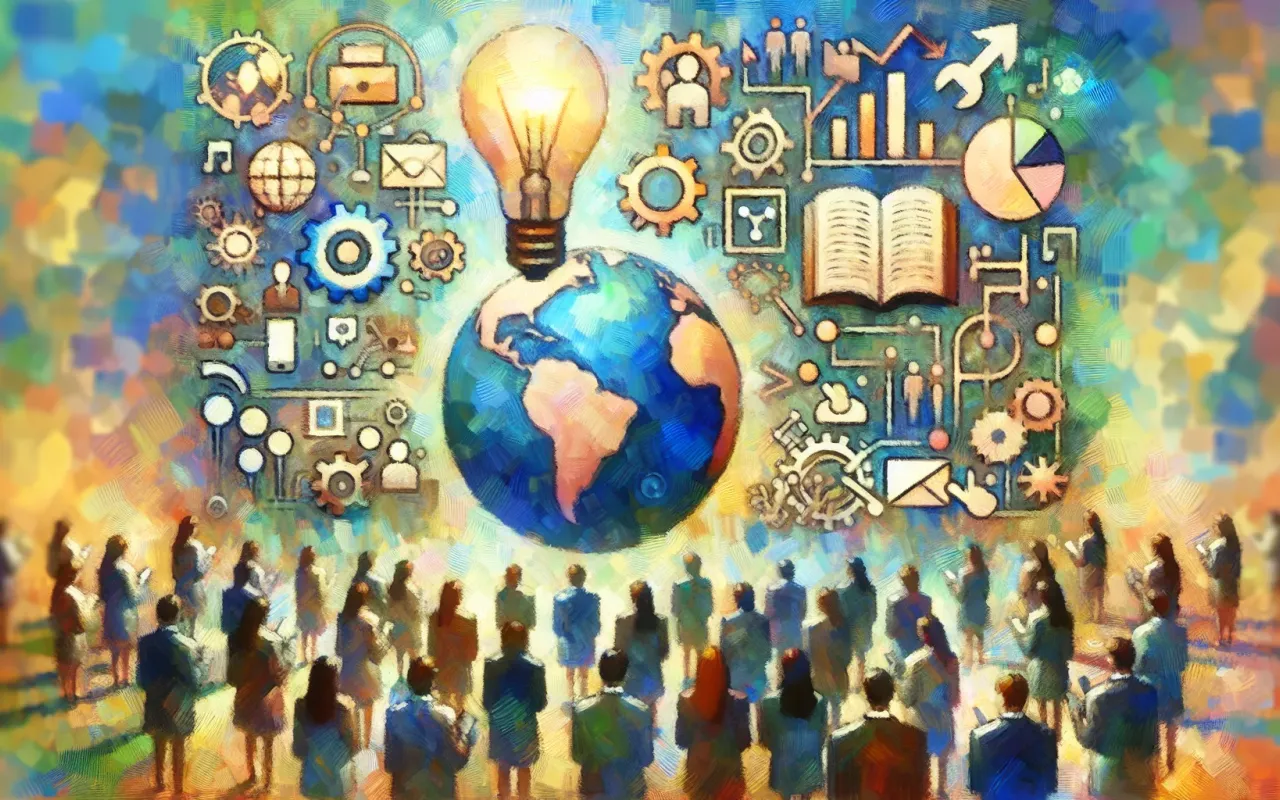
Discover the essential benefits of media literacy in the digital world and how it empowers individuals to navigate the digital landscape effectively.
- September 29, 2024
AceShowbiz - In the rapidly evolving digital landscape, media literacy is more critical than ever. Media literacy refers to the ability to access, analyze, evaluate, and create media in various forms. With the digital world being saturated with vast amounts of information, the significance of media literacy cannot be overstated. This article explores ten key benefits of media literacy in the digital world, shedding light on how it empowers individuals to navigate the complex information environment effectively.
1. Enhanced Critical Thinking Skills
One of the primary benefits of media literacy is the enhancement of critical thinking skills. It encourages individuals to question the validity, context, and source of the information they encounter. By developing these skills, users can differentiate between factual content and misleading information, making more informed decisions.
2. Improved Information Evaluation
Media literacy helps users to critically evaluate the quality and credibility of information. In an era of fake news and misinformation, being able to discern trustworthy sources from unreliable ones is vital. This capability reduces the risk of spreading false information and promotes a well-informed society.
3. Empowerment Through Knowledge
As users become more adept at navigating digital media, they gain empowerment through knowledge. Media literacy provides the tools needed to understand and interpret the ever-changing media landscape, allowing individuals to take control of the information they consume.
4. Encourages Responsible Media Consumption
With media literacy, individuals learn to consume media responsibly. This includes understanding the ethical considerations involved in sharing and producing content. Responsible media consumption reduces the risk of perpetuating harmful stereotypes, biases, and misinformation.
5. Promotes Digital Citizenship
Media literacy promotes digital citizenship by teaching individuals about their rights and responsibilities in the digital world. It emphasizes respectful and ethical behavior online, fostering a safer and more inclusive digital community.
6. Supports Academic Success
In the educational context, media literacy is linked to academic success. Students with strong media literacy skills are better equipped to conduct research, analyze data, and present their findings effectively. These skills are crucial for succeeding in today's information-driven academic environment.
7. Enhances Creativity and Expression
Media literacy is not just about analyzing content; it's also about creating it. By understanding media, individuals can become more creative and expressive. Whether it's through writing, video production, or social media posts, media literacy equips people with the skills to convey their ideas compellingly.
8. Fosters Lifelong Learning
The rapid pace of technological advancement means that continuous learning is essential. Media literacy fosters a mindset of lifelong learning, encouraging individuals to stay updated with the latest media trends and technologies.
9. Reduces Vulnerability to Cyber Threats
With a higher understanding of media and technology, individuals are less vulnerable to cyber threats such as phishing, scams, and online predation. Media literacy includes understanding how to protect personal information and recognize potential risks.
10. Facilitates Informed Participation in Society
Media literacy enables individuals to participate more actively and informedly in societal issues. By understanding how media shapes public opinion, individuals can engage in meaningful discussions and contribute to democratic processes.
Conclusion
In conclusion, the benefits of media literacy in the digital world are manifold, enhancing critical thinking, promoting responsible media consumption, and fostering digital citizenship, among other advantages. As our interaction with digital media continues to grow, so does the need for robust media literacy skills. Embracing media literacy empowers individuals to navigate the digital landscape confidently, using information in ways that are ethical, effective, and impactful. By prioritizing media literacy, we can build a more informed, creative, and resilient society.