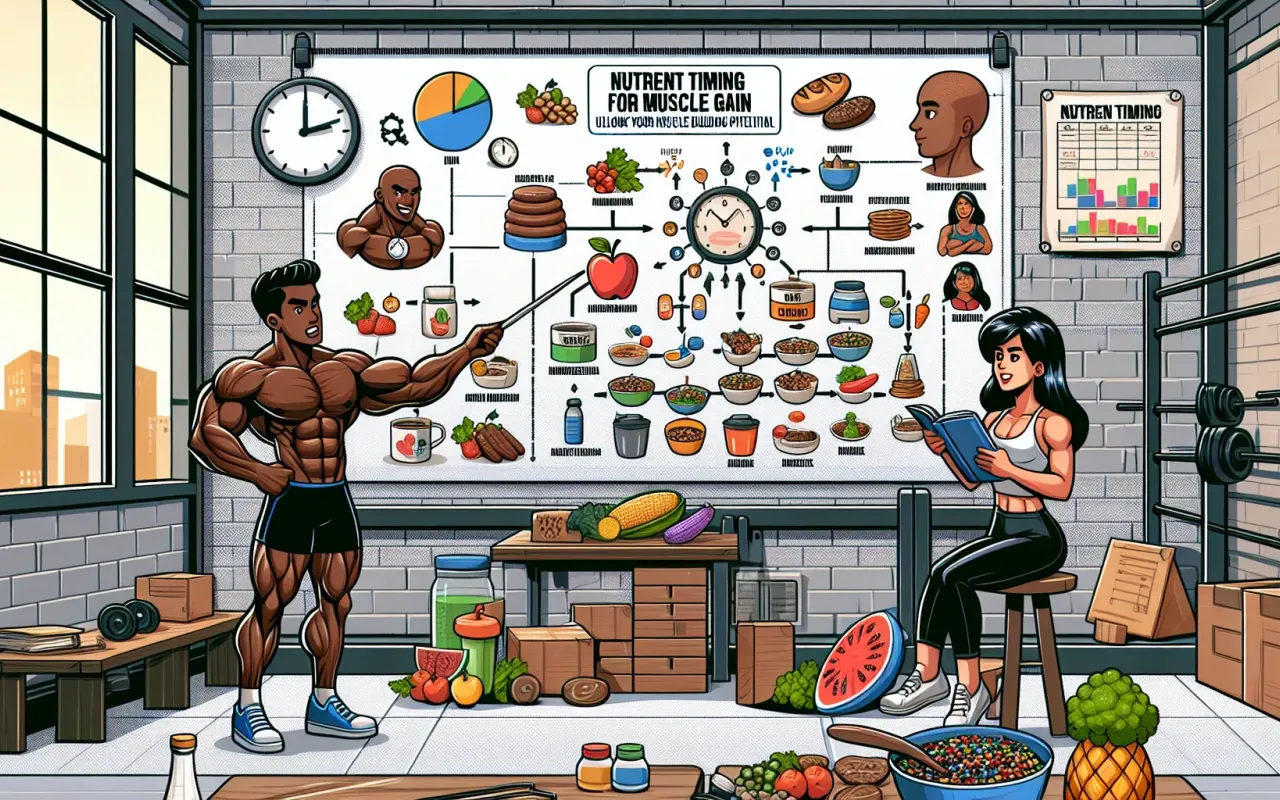
Discover the science behind nutrient timing for muscle gain. Learn how to optimize your diet and meal schedule to maximize muscle growth and performance.
- September 29, 2024
Nutrient timing for muscle gain is a concept that has gained traction in the fitness community. It revolves around the idea that when you consume specific nutrients can be just as important as what you consume. This article explores the science behind nutrient timing and offers practical strategies to maximize your muscle-building efforts.
Understanding Nutrient Timing
Nutrient timing refers to the strategic ingestion of nutrients—primarily proteins and carbohydrates—at specific times to enhance performance, recovery, and muscle growth. This approach is particularly beneficial for athletes and bodybuilders looking to optimize their muscle gain potential.
The Science Behind Nutrient Timing
Research indicates that there are key windows of opportunity when the body is more receptive to nutrient intake. These windows can significantly influence muscle protein synthesis, glycogen replenishment, and overall recovery. Let’s delve into these key periods:
Pre-Workout Nutrition
Consuming a balanced meal 1-2 hours before exercise ensures that your body has the energy it needs for optimal performance. This meal should include lean proteins, complex carbohydrates, and healthy fats. For instance, a meal of grilled chicken, brown rice, and vegetables can provide the necessary fuel.
Intra-Workout Nutrition
During prolonged or high-intensity workouts, intra-workout nutrition can help maintain performance levels and reduce muscle breakdown. Consuming easily digestible carbohydrates and amino acids, such as a sports drink with added BCAAs, can be beneficial.
Post-Workout Nutrition
The post-workout period, often termed the "anabolic window," is crucial for muscle recovery and growth. Consuming a protein-rich meal or shake, combined with fast-digesting carbohydrates within 30 minutes to two hours after exercise, can maximize muscle protein synthesis and glycogen replenishment.
Practical Strategies for Nutrient Timing
Pre-Workout Strategies
- Balanced Meal: Aim for a meal with a good balance of protein, carbs, and fats.
- Hydration: Ensure you're well-hydrated before starting your workout.
- Avoid Heavy Foods: Stay away from heavy, greasy foods that could cause digestive discomfort.
Intra-Workout Strategies
- Stay Hydrated: Drink water regularly throughout your workout.
- Simple Carbs: Consider a sports drink or energy gel for quick energy.
- Amino Acids: BCAAs can help reduce muscle breakdown.
Post-Workout Strategies
- Protein Intake: Aim for 20-30 grams of high-quality protein, such as whey or plant-based protein powder.
- Carbohydrates: Include fast-digesting carbs like fruits or a carbohydrate supplement.
- Hydrate: Replenish fluids lost during exercise with water or an electrolyte drink.
Long-Term Nutrient Timing
Nutrient timing isn't just about the immediate pre and post-workout windows. Ensuring a steady supply of nutrients throughout the day supports sustained muscle growth and recovery:
Consistent Protein Intake
Distributing protein intake evenly across meals (approximately 20-40 grams per meal) can help maintain muscle protein synthesis throughout the day.
Carbohydrate Cycling
Depending on your training schedule, you can adjust carbohydrate intake to fuel workouts and aid recovery. Higher carb intake on intense workout days can improve performance, while lower intake on rest days can help manage body fat.
Common Myths about Nutrient Timing
There are several misconceptions surrounding nutrient timing that need to be addressed:
Myth 1: Eating at Night Leads to Weight Gain
Weight gain is primarily determined by total calorie intake. Eating a balanced meal at night will not necessarily lead to weight gain if it fits within your daily calorie needs.
Myth 2: Protein Must Be Consumed Immediately After Workout
While the post-workout anabolic window is important, muscle recovery and growth occur over a longer period. Ensuring adequate protein intake throughout the day is equally important.
Myth 3: Carbs Are Bad for Muscle Gain
Carbohydrates are essential for replenishing glycogen stores and providing energy for workouts. Balancing carb intake with activity levels is key for muscle gain.
Conclusion
Nutrient timing for muscle gain is about optimizing when you consume nutrients to enhance muscle growth, performance, and recovery. By strategically planning your pre, intra, and post-workout nutrition—as well as maintaining overall nutrient balance throughout the day—you can unlock your full muscle-building potential. Remember to consult with a nutritionist or dietitian to personalize these strategies to your individual needs and goals.