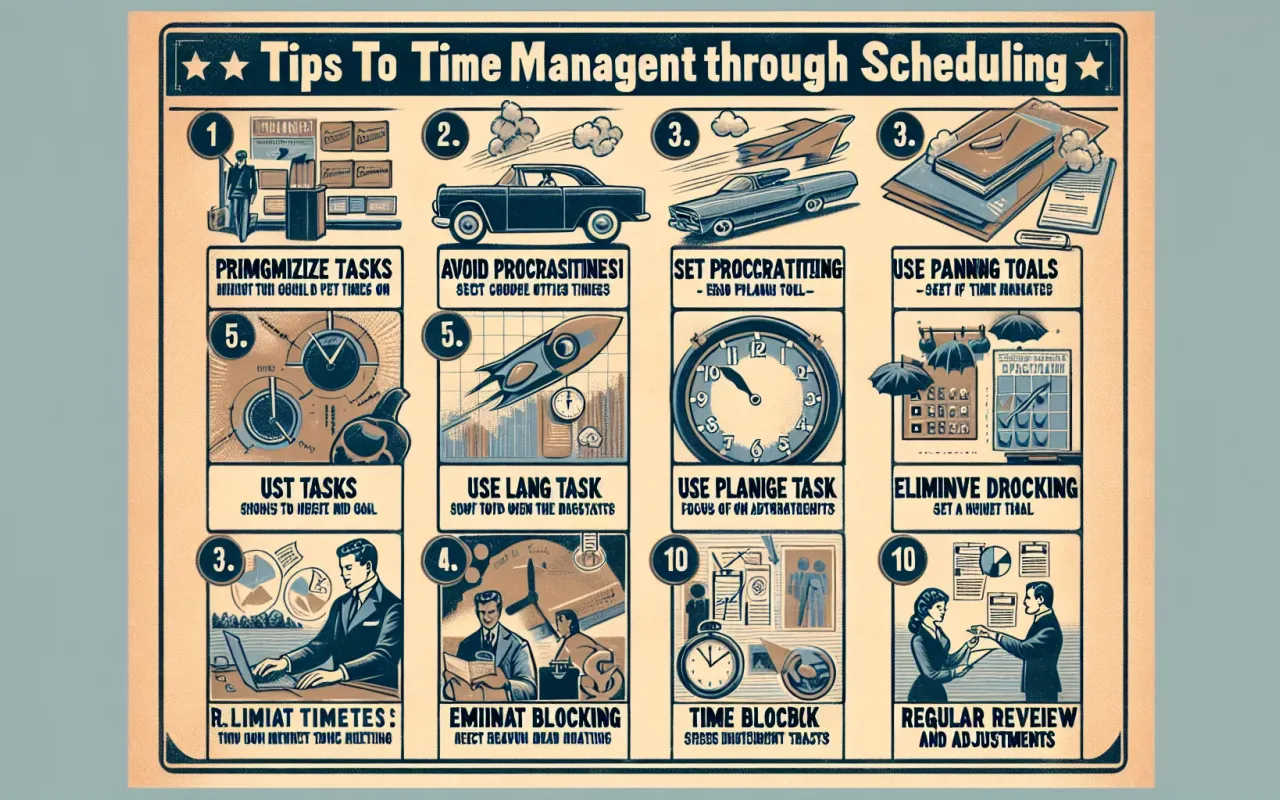
Discover how to improve time management with scheduling using these 10 proven tips. Enhance your productivity and reduce stress effectively.
- September 29, 2024
AceShowbiz - Effective time management is a critical skill that can drastically improve your productivity and overall quality of life. By mastering the art of scheduling, you can ensure that your time is used efficiently, allowing you to accomplish more tasks with less stress. In this article, we'll delve into ten proven tips on how to improve time management with scheduling.
1. Understand Your Goals and Priorities
Before you can effectively manage your time, it’s essential to know what your goals are. Understanding your priorities helps you allocate your time to tasks that align with your objectives. Make a list of your short-term and long-term goals, and prioritize them accordingly.
2. Use a Planner or Digital Calendar
One of the most effective tools for scheduling is a planner or a digital calendar. These tools allow you to visualize your tasks, appointments, and deadlines, making it easier to plan your day. Many digital calendars also offer reminders and notifications, ensuring that you don't miss important tasks.
3. Block Your Time
Time blocking is a technique where you divide your day into distinct time blocks dedicated to specific tasks or activities. This method helps prevent multitasking and encourages focus. When you block time for activities, you're more likely to complete them within the allotted period.
4. Prioritize Tasks Using the Eisenhower Matrix
The Eisenhower Matrix is a powerful tool for prioritizing tasks based on urgency and importance. It divides tasks into four categories: urgent and important, important but not urgent, urgent but not important, and neither urgent nor important. This approach helps you focus on high-impact activities while minimizing time spent on less critical tasks.
5. Set Realistic Deadlines
Setting realistic deadlines for your tasks is crucial for effective time management. Unrealistic deadlines can lead to unnecessary stress and decreased productivity. Be honest with yourself about how long tasks will take and plan accordingly.
6. Break Down Large Tasks
Breaking down large tasks into smaller, manageable steps makes them less overwhelming and easier to tackle. By focusing on completing each smaller step, you can maintain momentum and make steady progress toward your larger goals.
7. Limit Distractions
Distractions can significantly hinder your productivity. Identify common distractions in your environment, such as social media or noise, and take steps to minimize them. Consider creating a dedicated workspace where you can focus on your tasks without interruptions.
8. Use the Pomodoro Technique
The Pomodoro Technique involves working in short, focused intervals (typically 25 minutes) followed by a short break. This method helps maintain high levels of concentration and prevent burnout. After several intervals, take a longer break to recharge.
9. Review and Adjust Your Schedule Regularly
Your schedule is not set in stone. Regularly reviewing and adjusting your schedule based on your progress and changing priorities is essential. This practice ensures that your scheduling remains effective and aligned with your goals.
10. Delegate When Possible
Delegation is a crucial aspect of time management. Recognize tasks that can be handled by others and delegate them appropriately. This allows you to focus on high-priority activities that require your expertise while ensuring that other tasks are still completed efficiently.
Conclusion
Improving time management with scheduling is a skill that can greatly benefit your personal and professional life. By understanding your goals, using effective tools, and implementing proven techniques, you can ensure that your time is spent productively and meaningfully. Start applying these tips today and witness a significant improvement in your time management abilities.