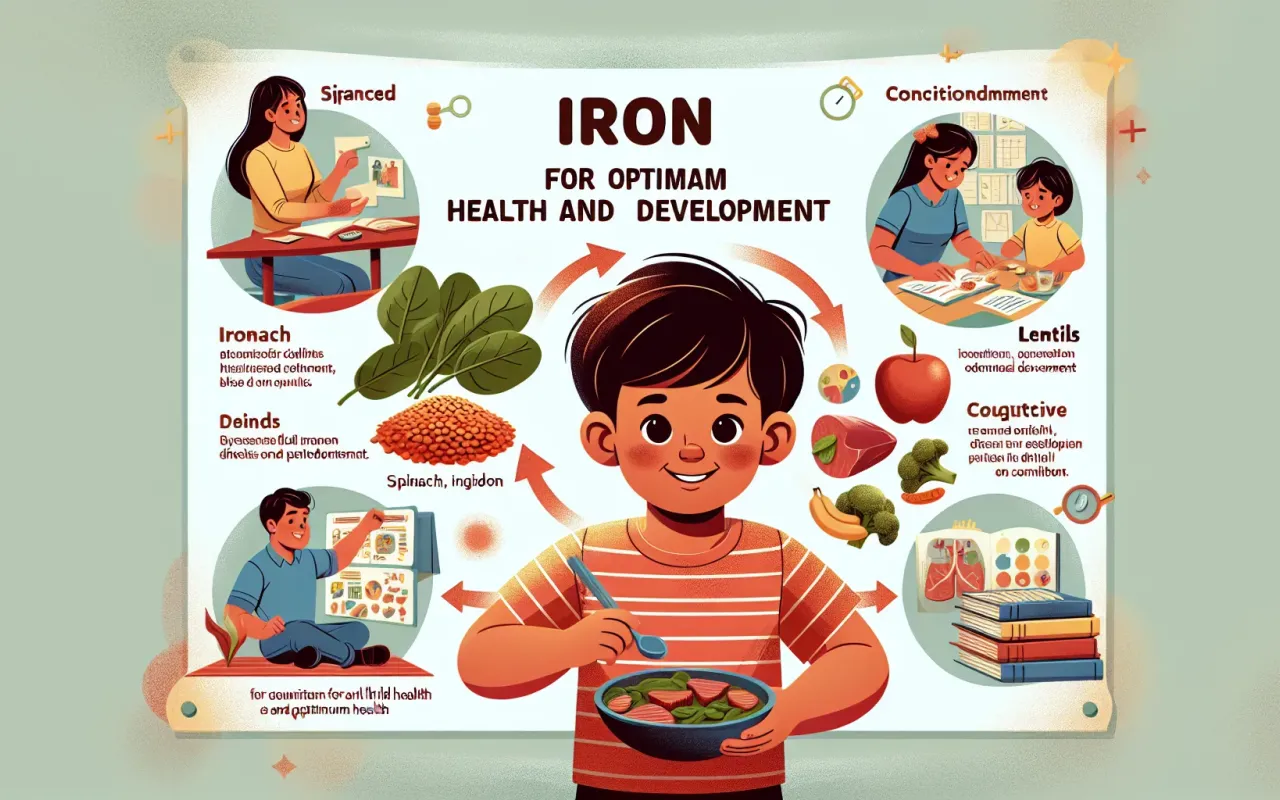
Discover the crucial role of iron in child development for optimum health. Learn how iron impacts cognitive function, growth, and development in children.
- September 28, 2024
Iron is an essential nutrient that plays a pivotal role in child development. From the early years of life, iron contributes significantly to physical growth, cognitive development, and overall health. Many parents and caregivers might not be fully aware of just how crucial this mineral is. This article explores the role of iron in child development, shedding light on its importance, sources, and the impacts of deficiency.
The Importance of Iron in Child Development
Children are in a rapid phase of growth and development, making their nutritional needs exceptionally high. Iron is a critical component of hemoglobin, the protein in red blood cells responsible for transporting oxygen throughout the body. It also plays a role in myoglobin, a protein that supplies oxygen to muscles. Iron is vital for energy metabolism, immune function, and neurological development.
Iron and Cognitive Development
Iron is essential for proper brain development and cognitive function. Adequate iron levels are necessary for the development of myelin, which insulates nerve fibers and enhances the speed of neural communication. Studies have shown that iron deficiency in children can lead to cognitive impairments, including reduced attention span, learning difficulties, and behavioral issues. Ensuring children receive enough iron can contribute to better academic performance and overall mental health.
Sources of Iron for Children
Iron can be obtained from both dietary supplements and a variety of foods. The two main types of dietary iron are heme iron, found in animal products, and non-heme iron, found in plant-based foods. Here are some excellent sources of iron:
- Heme Iron: Red meat, poultry, fish, and shellfish.
- Non-Heme Iron: Lentils, beans, tofu, spinach, fortified cereals, and whole grains.
While heme iron is more easily absorbed by the body, combining plant-based sources with vitamin C-rich foods can enhance non-heme iron absorption. Foods such as citrus fruits, strawberries, and bell peppers are excellent choices to pair with iron-rich foods.
Iron Supplements for Children
In some cases, dietary intake may not be sufficient to meet the iron needs of growing children. Iron supplements can be recommended by healthcare providers, particularly for those at high risk of iron deficiency. It is important to follow medical guidance when administering iron supplements, as excessive iron intake can lead to toxicity and other health issues.
Iron Deficiency and Its Impacts
Iron deficiency is one of the most common nutritional deficiencies in children worldwide. It can lead to iron deficiency anemia, a condition characterized by low levels of red blood cells. Symptoms may include fatigue, pale skin, irritability, and compromised immune function. Long-term iron deficiency can have severe consequences on a child’s growth and development, making early detection and intervention crucial.
Identifying and Preventing Iron Deficiency
Regular health check-ups can help identify iron deficiency in children. Blood tests are typically used to measure hemoglobin levels and assess iron status. Prevention strategies include ensuring a balanced diet rich in iron, particularly for those at higher risk, such as premature infants, breastfed infants older than six months, and children with restricted diets or health conditions affecting iron absorption.
Conclusion
The role of iron in child development cannot be overstated. Ensuring that children receive adequate iron through a balanced diet or supplements when necessary is critical for their physical health, cognitive development, and overall well-being. Parents and caregivers must stay informed about their child’s nutritional needs and seek professional advice to prevent and address iron deficiency effectively. By prioritizing iron intake, we can support our children in achieving optimal health and developmental milestones.