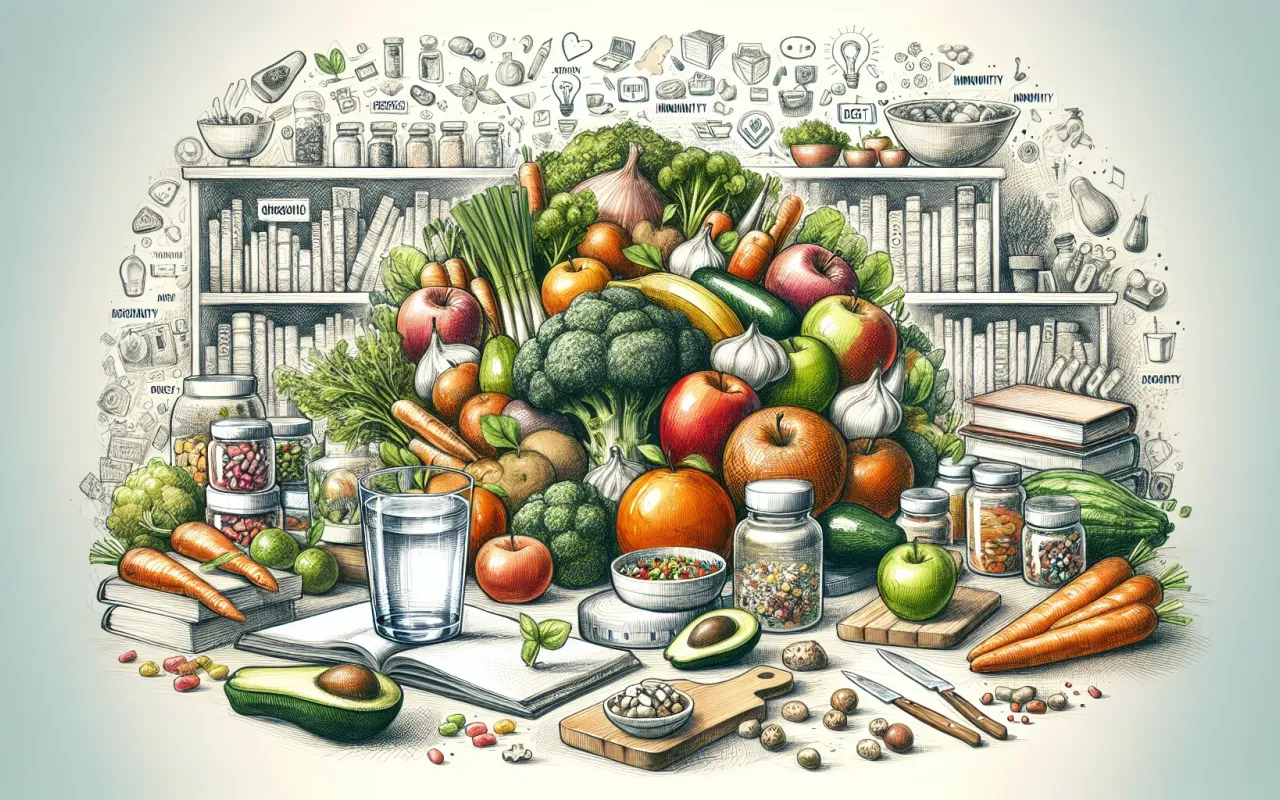
Explore the fundamentals of holistic nutrition and how organic choices can contribute to a healthier life. Learn actionable insights and tips to enhance your wellbeing.
- September 27, 2024
Living a healthier life can often seem like a complex puzzle, but understanding holistic nutrition fundamentals and making organic choices can guide you toward better health and wellness. This article delves into these essential concepts and provides practical tips to integrate them into your daily routine.
Understanding Holistic Nutrition
Holistic nutrition focuses on the idea that proper nutrition impacts the entire body, mind, and spirit. Rather than treating symptoms, it aims to address the root causes of illness or imbalance through a balanced diet and lifestyle.
The Principles of Holistic Nutrition
At its core, holistic nutrition emphasizes whole, unprocessed foods and a balanced intake of macronutrients (proteins, fats, and carbohydrates) and micronutrients (vitamins and minerals). Here are some guiding principles:
- Whole Foods: These are foods that are minimally processed and remain close to their natural state.
- Nutrient Density: Holistic nutrition prioritizes foods rich in vitamins, minerals, and other essential nutrients.
- Balance: Ensuring a balanced intake of different food groups to provide overall nutritional harmony.
- Mindful Eating: Paying attention to hunger and fullness cues, and enjoying meals in a relaxed environment.
- Individualized Approach: Tailoring diet according to individual needs, lifestyle, health conditions, and preferences.
The Benefits of Organic Choices
By choosing organic foods, you're reducing your intake of pesticides, synthetic fertilizers, and other potentially harmful substances. Organic foods are grown and processed without the use of artificial chemicals, promoting not only your health but also environmental sustainability.
Why Go Organic?
There are multiple benefits associated with making organic choices:
- Reduced Chemical Exposure: Organic food production avoids synthetic pesticides and fertilizers, leading to fewer chemicals in your diet.
- Better Taste: Many people believe organic food tastes fresher and more flavorful.
- Environmental Sustainability: Organic farming practices are designed to reduce pollution, conserve water, reduce soil erosion, and use less energy.
- Enhanced Nutritional Value: Some studies suggest that organic foods contain higher levels of certain nutrients.
Practical Tips for Embracing Holistic Nutrition and Organic Choices
Integrating holistic nutrition and organic choices into your daily life can initially seem overwhelming. Here are some practical steps to help you make the transition smoothly:
Start Small
Begin with simple swaps, such as choosing organic versions of the most pesticide-heavy produce, often referred to as the "Dirty Dozen". Gradually expand your organic purchases as your budget and availability allow.
Focus on Whole Foods
Fill your plate with a variety of whole foods, including vegetables, fruits, legumes, nuts, and seeds. These foods should form the foundation of your diet.
Plan Meals Ahead
Meal planning can help ensure you're incorporating holistic and organic choices throughout the week. Create a balanced menu that includes a variety of nutrients to maintain interest and pleasure in your meals.
Stay Educated
Continue learning about holistic nutrition and keep up-to-date with the latest research on organic farming. Reliable sources include peer-reviewed journals, trustworthy websites, and credible books written by nutrition experts.
Listen to Your Body
Everyone's nutritional needs are different. Pay attention to how your body responds to different foods and adjust your diet accordingly. Consulting with a health professional specializing in holistic nutrition can provide personalized guidance.
Challenges and Solutions
Adopting a holistic and organic diet isn't without its challenges. Here are some common issues and practical solutions:
Budget Constraints
Organic food can sometimes be more expensive. Prioritize buying organic for the most contaminated produce and look for sales and discounts. Farmers' markets can also be a cost-effective source for organic food.
Time Management
Preparation and meal planning can be time-consuming. Batch cooking, using time-saving gadgets like slow cookers, and choosing quick-to-prepare whole foods can help.
Accessibility
Not everyone has easy access to organic food. Explore local farming co-ops, community-supported agriculture (CSA) programs, and online organic food delivery services that can broaden your options.
Holistic and Organic Lifestyle Beyond Nutrition
Embracing a holistic and organic lifestyle doesn't stop at your plate. Incorporate these principles into other areas of your life for maximum benefit:
Physical Wellness
Complement your nutritious diet with regular physical activity, adequate sleep, and stress management techniques such as meditation and yoga.
Environmental Consciousness
Reduce your carbon footprint by using eco-friendly products, recycling, conserving water, and supporting sustainable practices.
Mental and Emotional Well-Being
A holistic approach considers mental and emotional health as integral to overall well-being. Engage in activities that promote mental clarity and emotional balance, such as mindfulness and social connections.
Conclusion
Adopting holistic nutrition fundamentals and making organic choices can profoundly impact your overall health and well-being. By understanding the principles of holistic nutrition, recognizing the benefits of organic foods, and implementing practical strategies, you can make meaningful changes that lead to a healthier life. Remember that small, consistent steps can culminate in significant improvements, paving your way towards lasting well-being.