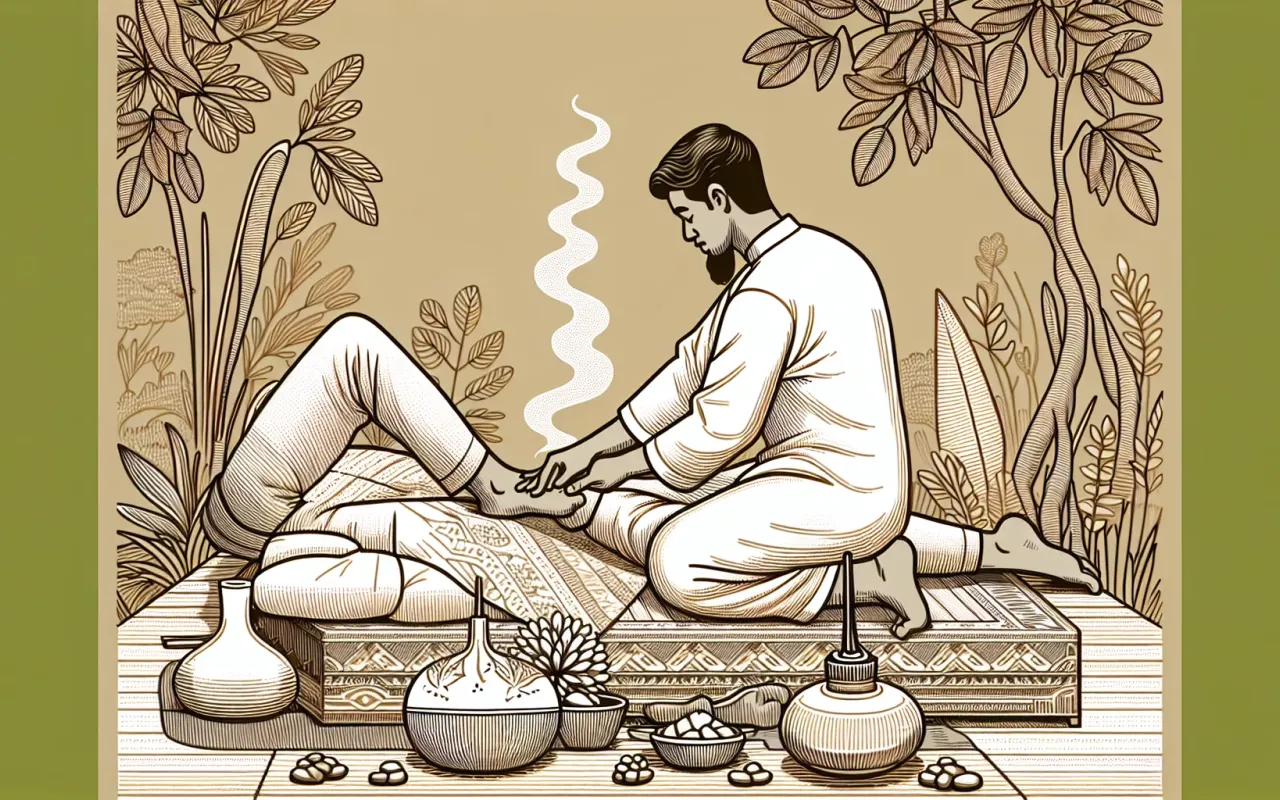
Explore how reflexology therapy for anxiety can provide natural relief and relaxation. Learn about its benefits, techniques, and impacts on mental health.
- September 26, 2024
AceShowbiz - In our fast-paced world, anxiety and stress have become common ailments affecting millions. While traditional treatments include therapy and medication, alternative approaches like reflexology therapy are gaining popularity for their holistic benefits. This article delves into how reflexology therapy for anxiety can provide natural relief and relaxation.
Understanding Reflexology Therapy
Reflexology is an ancient practice that involves the application of pressure to specific points on the feet, hands, and ears. These points, known as reflex zones, are believed to correspond to different organs and systems within the body. By stimulating these areas, reflexologists aim to promote overall well-being and alleviate various symptoms, including anxiety.
How Reflexology Therapy Alleviates Anxiety
Stimulation of the Nervous System
One of the primary ways reflexology therapy for anxiety works is by stimulating the nervous system. When pressure is applied to reflex points, it sends signals to the brain, promoting the release of endorphins and reducing cortisol levels. These chemical changes can significantly lower anxiety levels and induce a state of relaxation.
Improving Blood Circulation
Another benefit of reflexology is the improvement of blood circulation. Proper blood flow ensures that all body tissues receive adequate oxygen and nutrients, which can enhance mental clarity and reduce feelings of anxiety. Improved circulation also aids muscle relaxation, contributing to an overall sense of calm.
Detoxification and Energy Flow
Reflexology helps detoxify the body by promoting the elimination of toxins. By stimulating specific reflex points, practitioners believe that they can unblock energy pathways (also known as "Qi" in traditional Chinese medicine), leading to improved physical and mental health.
The Science Behind Reflexology
Though reflexology is a widely accepted form of alternative medicine, scientific research on its efficacy is ongoing. Some studies suggest that it can significantly reduce symptoms of anxiety and stress. For example, a study published in The Journal of Nursing Research found that patients receiving reflexology experienced reduced anxiety levels compared to those who did not.
What to Expect During a Reflexology Session
If you're new to reflexology, you might wonder what a typical session involves. Here are some key points to consider:
Initial Consultation
Your first session usually starts with a comprehensive consultation. The reflexologist will ask about your medical history, lifestyle, and specific issues you want to address, such as anxiety.
Feet as a Focus
Although reflexology can be performed on the hands and ears, many practitioners focus mainly on the feet, as they contain a high concentration of reflex points. You will be asked to remove your shoes and socks and get comfortable on a treatment table or chair.
Application of Pressure
The reflexologist will use thumb and finger techniques to apply pressure to various reflex points. You may feel mild to moderate pressure, but the experience should not be painful. Some people even find it deeply relaxing.
Post-Session Feelings
Many people report feeling relaxed and rejuvenated after a session. It's also possible to experience some mild detox symptoms, such as thirst or tiredness, which usually pass quickly.
Choosing a Qualified Reflexologist
To maximize the benefits of reflexology therapy for anxiety, it is crucial to choose a qualified and experienced reflexologist. Look for practitioners who are certified by recognized reflexology organizations. Personal recommendations and online reviews can also help you find a reputable reflexologist.
Complementing Reflexology with Other Therapies
While reflexology can be highly effective, combining it with other therapies can enhance its benefits. Techniques such as mindfulness meditation, yoga, and Cognitive Behavioral Therapy (CBT) work well alongside reflexology to provide a comprehensive approach to anxiety management.
It's also essential to maintain a healthy lifestyle, including a balanced diet, regular physical activity, and adequate sleep, to support overall mental health.
Is Reflexology Right for You?
Reflexology therapy for anxiety is a non-invasive and holistic treatment that offers a natural way to reduce anxiety and improve relaxation. If you're looking for alternative therapies to manage your stress, reflexology could be a valuable addition to your wellness routine.
Conclusion
In summary, reflexology therapy offers numerous benefits for individuals struggling with anxiety. By stimulating the nervous system, improving circulation, and promoting detoxification, reflexology provides holistic relief and enhances overall well-being. Whether you're new to alternative therapies or seeking to complement existing treatments, reflexology could be a transformative experience on your journey to better mental health.