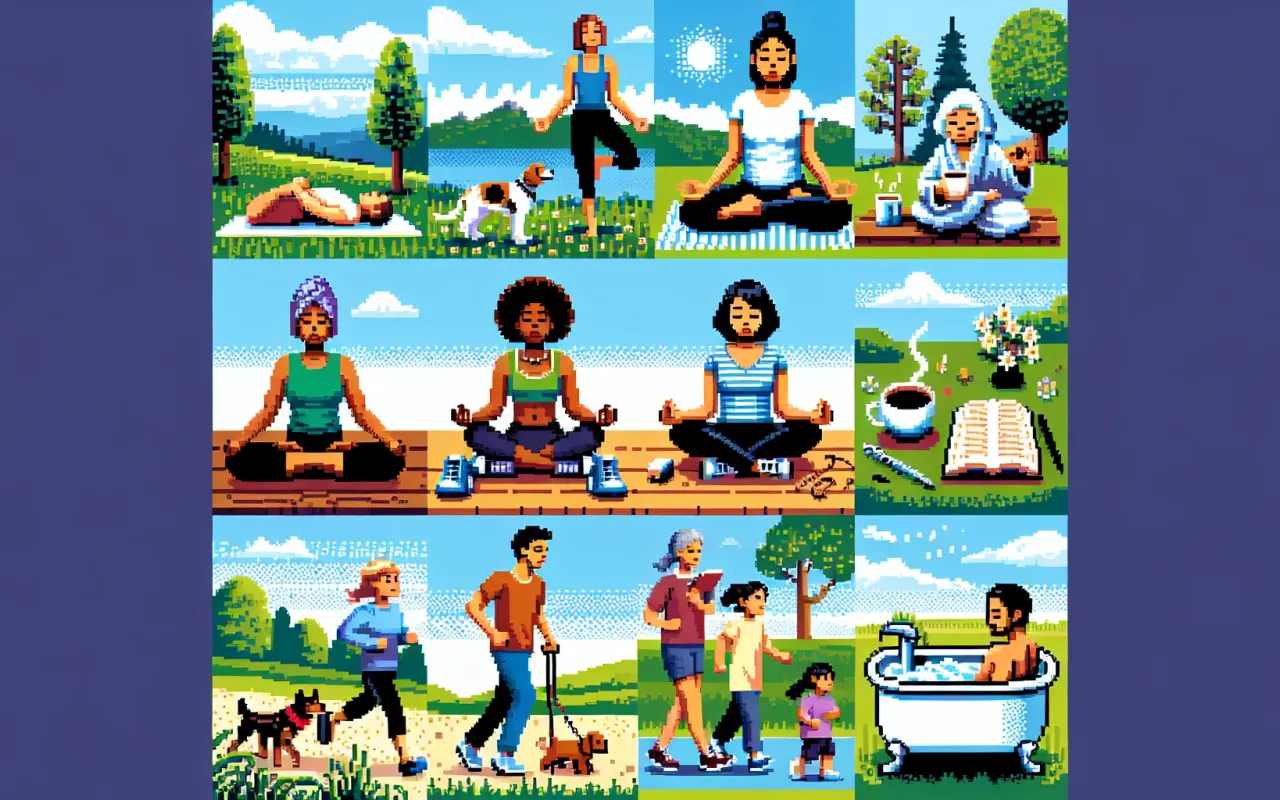
Discover effective stress management exercises and practices to enhance your well-being. Learn how to manage stress with these top 10 expert-recommended techniques.
- September 25, 2024
Introduction
In today's fast-paced world, stress has become a common issue that affects a significant portion of the population. Whether it's related to work, relationships, or personal goals, stress can have a detrimental effect on both mental and physical health. Fortunately, there are numerous stress management exercises and practices that can help you cope effectively. This article explores ten highly recommended techniques to manage stress and boost your overall well-being.
1. Mindful Breathing
Mindful breathing is a simple yet powerful exercise that can help you stay grounded. By focusing on your breath, you can create a sense of calm and relaxation. Try taking deep, slow breaths, counting to five on the inhale and exhale. This practice can be done anywhere and at any time, making it a versatile tool for managing stress.
2. Progressive Muscle Relaxation (PMR)
Progressive Muscle Relaxation involves systematically tensing and then relaxing different muscle groups in your body. This technique can reduce physical tension and anxiety, offering immediate relief from stress. Start from your toes and work your way up to your head, tensing each muscle group for a few seconds before releasing.
3. Exercise and Physical Activity
Regular physical activity is a proven stress reliever. Exercise releases endorphins, which are natural mood enhancers. Whether it's a vigorous workout or a leisurely walk, any form of exercise can help reduce stress and improve your overall well-being. Aim for at least 30 minutes of moderate activity most days of the week.
4. Meditation
Meditation is an ancient practice that helps cultivate mental clarity and emotional balance. By dedicating a few minutes each day to meditate, you can significantly reduce stress levels. Techniques such as guided meditation, mindfulness meditation, and loving-kindness meditation are particularly effective.
5. Journaling
Keeping a journal can be a therapeutic way to manage stress. Writing down your thoughts and feelings allows you to process your emotions and gain insights into your stressors. Set aside a few minutes each day to jot down your thoughts, goals, and reflections to help clear your mind and reduce anxiety.
6. Aromatherapy
Aromatherapy uses essential oils to promote relaxation and alleviate stress. Scents like lavender, chamomile, and eucalyptus have been shown to reduce anxiety and improve mood. Use a diffuser, add a few drops to your bath, or apply diluted oils to your skin to experience the calming effects.
7. Yoga
Yoga combines physical postures, breathing exercises, and meditation to create a holistic approach to stress management. Regular yoga practice can improve flexibility, strength, and mental clarity while reducing stress. Styles such as Hatha, Vinyasa, and Yin Yoga are particularly beneficial for stress relief.
8. Social Connections
Having a strong social support network is crucial for managing stress. Spending time with friends and family, or engaging in community activities, can provide emotional support and practical assistance. don't hesitate to reach out to your loved ones when you're feeling overwhelmed.
9. Adequate Sleep
Quality sleep is essential for stress management. Lack of sleep can exacerbate stress and negatively impact your health. Aim for 7-9 hours of sleep per night. Implement a bedtime routine, limit screen time before bed, and create a comfortable sleeping environment to improve sleep quality.
10. Healthy Diet
Your diet plays a significant role in your ability to manage stress. Foods rich in antioxidants, vitamins, and minerals can boost your immune system and improve your mood. Focus on a balanced diet that includes fruits, vegetables, whole grains, lean proteins, and healthy fats.
Conclusion
Managing stress is crucial for maintaining your overall well-being. By incorporating these ten stress management exercises and practices into your daily routine, you can significantly reduce stress levels and enhance your quality of life. Remember, consistency is key. Start with one or two practices that resonate with you and gradually build from there for long-term benefits.