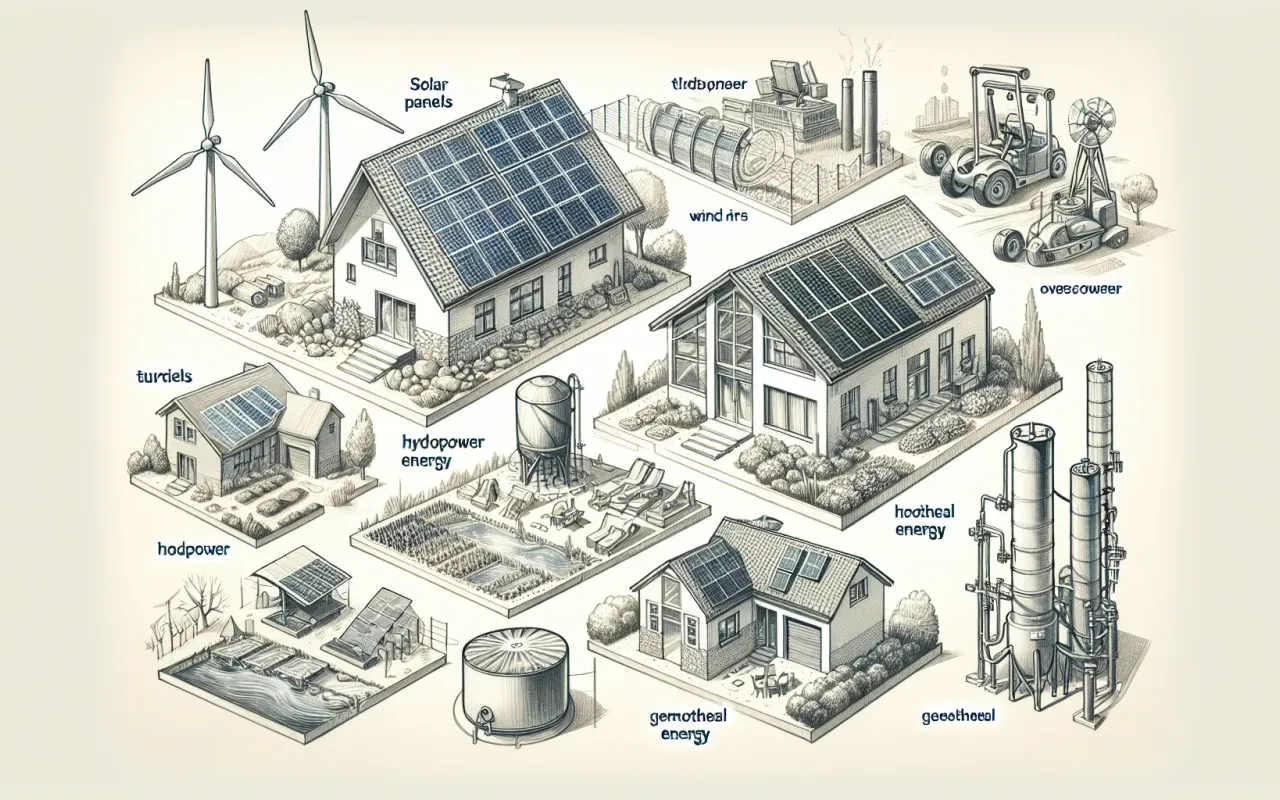
Discover 10 renewable energy sources for sustainable homes. Learn how to make your home energy-efficient and environmentally friendly with these innovative solutions.
- September 22, 2024
As the world's focus shifts towards environmental sustainability, homeowners increasingly seek ways to integrate renewable energy sources into their living spaces. Employing renewable energy sources for sustainable homes not only aids in reducing carbon footprints but also promotes long-term savings on energy expenses. This guide explores ten viable renewable energy options that can enhance the sustainability of modern homes.
1. Solar Power
The most widely recognized renewable energy source, solar power, harnesses energy from the sun through photovoltaic cells or solar panels. Solar energy can power various household appliances, provide heating, and even store electricity for later use. Advances in solar technology have made it more accessible and affordable for residential use.
Benefits of Solar Power
- Reduces electricity bills
- Low maintenance costs
- Decreases carbon footprint
2. Wind Energy
Wind turbines convert kinetic energy from the wind into electricity. While traditionally used for larger scale power generation, small wind turbines are becoming an option for individual residential applications. Suitable for locations with consistent wind patterns, wind energy is a reliable and sustainable choice.
Benefits of Wind Energy
- Efficient in windy areas
- Minimal operating costs
- Provides clean energy
3. Geothermal Energy
Geothermal energy leverages the earth's internal heat to generate electricity and provide heating and cooling. Geothermal heat pumps can be installed for home use, offering an energy-efficient way to regulate household temperature year-round.
Benefits of Geothermal Energy
- Consistent energy source
- Low operating costs
- Environmentally friendly
4. Biomass Energy
Biomass energy is derived from organic materials like wood, agricultural crops, and waste. Through processes such as burning or fermentation, these materials can produce heat or electricity. Biomass is a versatile and renewable option for households.
Benefits of Biomass Energy
- Utilizes waste products
- Reduces reliance on fossil fuels
- Can be locally sourced
5. Hydroelectric Power
Hydropower harnesses the energy of flowing water to generate electricity. While large-scale hydroelectric plants are common, micro-hydro systems can be used for residential properties with access to flowing water. This renewable source is highly efficient and reliable.
Benefits of Hydroelectric Power
- Consistent power generation
- Low emissions
- High efficiency
6. Solar Thermal Systems
Solar thermal systems use solar panels to capture sunlight and convert it into heat. This heat can be used for water heating, space heating, and even cooling in homes. Solar thermal systems are an excellent complement to photovoltaic solar panels.
Benefits of Solar Thermal Systems
- Efficient heating solution
- Reduces reliance on grid electricity
- Low maintenance
7. Air Source Heat Pumps
Air source heat pumps (ASHPs) absorb heat from the outside air and use it to heat homes and provide hot water. Even in cooler temperatures, ASHPs can extract usable heat, making them a highly efficient renewable energy option.
Benefits of Air Source Heat Pumps
- Energy efficient
- Reduced heating costs
- Environmentally friendly
8. Ground Source Heat Pumps
Similar to geothermal systems, ground source heat pumps (GSHPs) utilize the stable temperatures underground to heat and cool homes. By circulating a fluid through underground pipes, these systems can effectively regulate indoor temperatures throughout the year.
Benefits of Ground Source Heat Pumps
- High efficiency
- Long-term savings
- Low environmental impact
9. Solar Water Heaters
Solar water heaters are a specific type of solar thermal system designed to provide hot water for domestic use. These systems use solar collectors to heat water, which is then stored in a tank for household use. They are a cost-effective way to leverage solar energy.
Benefits of Solar Water Heaters
- Reduces water heating costs
- Minimal environmental impact
- Long-lasting systems
10. Green Roofs
Green roofs, also known as living roofs, involve growing vegetation on rooftops. While not a direct energy source, they provide significant environmental benefits, including improved insulation, reduced energy costs, and enhanced urban biodiversity.
Benefits of Green Roofs
- Improved insulation
- Reduces urban heat island effect
- Supports biodiversity
Conclusion
Adopting renewable energy sources for sustainable homes is crucial for reducing environmental impact and promoting long-term savings. Whether through solar power, wind energy, or geothermal systems, homeowners have a variety of options to create a more sustainable future. By investing in these renewable sources, we can take meaningful steps toward a greener planet while enjoying the benefits of cleaner, more efficient energy solutions.