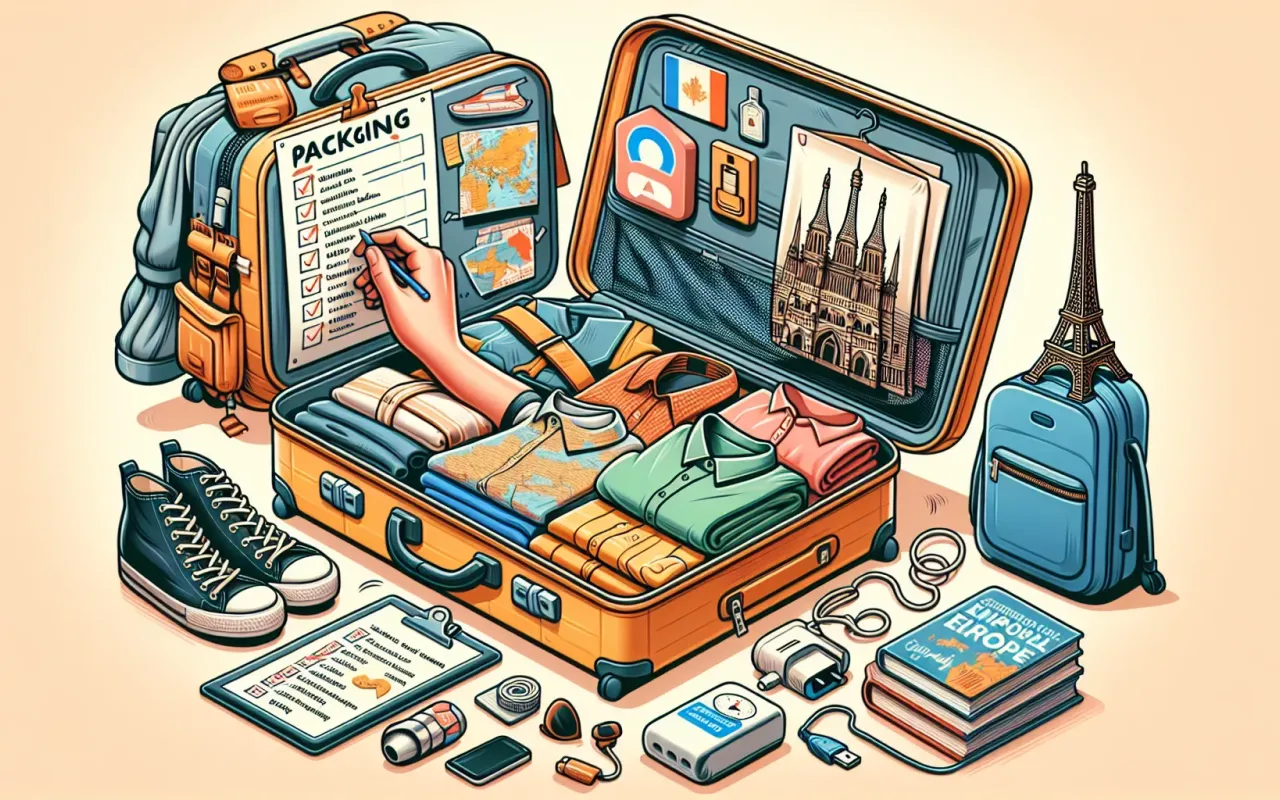
Discover essential luggage packing tips for your Europe trip. This guide offers expert advice on what to pack, how to pack, and ensuring you have everything you need for a stress-free travel experience.
- September 20, 2024
AceShowbiz - Embarking on a European adventure is always exciting, but the challenge of packing efficiently can be daunting. Whether you're exploring the cobblestone streets of Paris or the scenic fjords of Norway, having the right luggage can make or break your trip. This guide provides essential luggage packing tips for your Europe trip, ensuring you travel smart and stress-free.
Understanding Europe’s Climate and Seasons
Europe's weather varies significantly between regions and seasons. Hence, it’s crucial to research the climate of your specific destinations. For instance, summer in Spain is hot, while the UK can be quite cool and rainy. Conversely, winter in Scandinavia demands thermal wear, whereas southern Italy remains relatively mild. Plan your wardrobe based on detailed weather forecasts to avoid overpacking.
Choosing the Right Luggage
Size and Type
Deciding on the size and type of luggage is a fundamental step. Opt for a suitcase or backpack that is lightweight yet durable. A 20-25 inch suitcase is generally suitable for a two-week trip. If you prefer a backpack, ensure it has ample support and compartments.
Wheeled Luggage vs. Backpacks
Wheeled luggage is ideal for urban areas with smooth pavements, while backpacks offer more versatility for uneven terrains and regions with limited infrastructure. Consider your itinerary and the activities you plan to do when choosing between the two.
Essential Packing Tips
Create a Packing List
A packing list ensures you don’t forget any essentials and helps you stay organized. Categorize items into clothing, toiletries, electronics, documents, and other necessities. This step helps in visualizing what you need versus want.
Pack Multi-functional Clothing
Opt for clothes that serve multiple purposes. For example, a cardigan can be dressed up or down, and athletic wear can double as sleepwear. Layering pieces are also crucial as they provide versatility across different climates.
Roll, Don't Fold
As a space-saving technique, rolling your clothes instead of folding them can significantly increase your luggage capacity. Additionally, rolling helps minimize wrinkles, leaving you looking well put-together upon arrival.
Utilize Packing Cubes
Packing cubes are an excellent way to organize your belongings. They keep items compact and allow you to separate clothing by type or day, making it easier to find what you need without unpacking your entire suitcase.
Essential Toiletries
When it comes to toiletries, bring only what you need and keep them travel-sized. Remember, many items can be purchased at your destination. Use leak-proof containers and consider solid toiletries like bar soap to save liquid space.
Travel Documents and Essentials
Passport and Visas
Your passport is the most critical document. Ensure it is valid for at least six months beyond your travel dates. Depending on your nationality, you may need visas for specific European countries. Always double-check entry requirements well in advance.
Copies of Important Documents
Have photocopies or digital copies of your passport, visas, travel insurance, and booking confirmations. Store them separately from the originals as a precaution against loss or theft.
Money and Credit Cards
Notify your bank of your travel plans to avoid any service disruptions. Carry a mix of cash and credit/debit cards. Use a money belt or hidden pouch to secure valuables. Consider having some emergency cash hidden in different places within your belongings.
Tech and Gadgets
Universal Adapter and Chargers
Europe comprises different countries with varying socket types. A universal adapter is indispensable. Pack chargers for all your devices and consider a portable charger for on-the-go power needs.
Smartphone and Apps
Your smartphone can be a lifesaver, providing maps, language assistance, and travel notifications. Download essential travel apps beforehand, such as offline maps, translation, and local transport guides.
Travel Gadgets
Invest in noise-canceling headphones for long journeys, a compact camera for capturing memories, and e-readers to save space on books. These gadgets enhance your travel experience without weighing you down.
Health and Safety
First Aid Kit
A small first aid kit with bandages, antiseptic wipes, pain relievers, and any personal medications is vital. Consider packing a few items for common travel illnesses, such as anti-diarrhea medication and motion sickness remedies.
Travel Insurance
Comprehensive travel insurance can protect you against trip cancellations, medical emergencies, and lost luggage. Check the policy details and ensure it covers all your planned activities.
Safety Precautions
Stay aware of your surroundings, particularly in crowded tourist areas where pickpocketing is common. Use anti-theft bags and always secure your belongings. Familiarize yourself with local emergency numbers and the nearest embassy or consulate.
Final Packing Check
Before you depart, perform a final packing check. Ensure all items on your list are in your luggage, and verify that your bags meet airline weight limits. It's also wise to weigh your luggage at home to avoid airport surprises.
Conclusion
Packing for a European trip requires careful planning and consideration. By following these luggage packing tips for your Europe trip, you can ensure a smooth and enjoyable journey. Remember, the key is to pack smart and light, bringing only the essentials and leaving room for souvenirs and new experiences. Bon voyage!