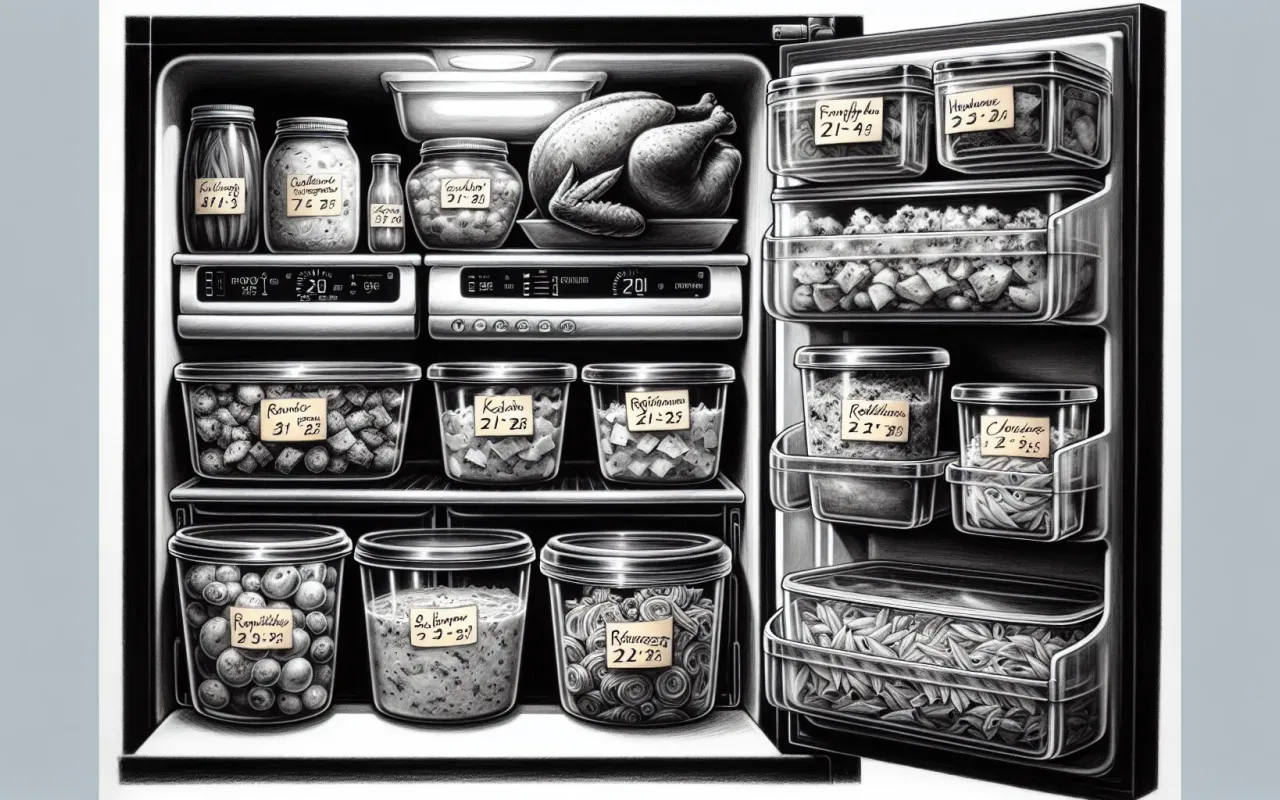
Learn the proper ways to store leftovers in the fridge to keep them fresh and safe. This comprehensive guide provides expert tips on food safety, storage containers, and more.
- September 20, 2024
Whether you've prepared a feast for the holidays or simply overestimated your dinner portions, storing leftovers properly is essential for maintaining their freshness and ensuring food safety. This comprehensive guide on the proper ways to store leftovers in the fridge will walk you through the necessary steps, from cooling food safely to choosing the right containers.
Why Proper Storage of Leftovers is Crucial
Storing leftovers in the fridge correctly can prevent foodborne illnesses and extend the longevity of your meals. Bacteria can multiply rapidly at room temperature, so moving food to the refrigerator as soon as possible is critical. Additionally, proper storage techniques can help maintain the flavor and texture of your leftovers, making them more enjoyable when you reheat them.
Steps to Safely Cool Leftovers
The Danger Zone
The "danger zone" for bacteria growth ranges between 40°F (4°C) and 140°F (60°C). It’s important to get your food out of this temperature range as swiftly as possible to prevent bacterial growth. The USDA recommends transferring leftovers to the refrigerator within 2 hours of cooking. For hot climates, this time is reduced to 1 hour.
Quick Cooling Techniques
For large quantities of food, consider dividing it into smaller portions before storing. Smaller quantities cool faster, reducing the time spent in the danger zone. If you’re dealing with soups or stews, try placing the container in an ice bath to expedite the cooling process before refrigeration.
Optimal Storage Containers
Material Matters
Choosing the right type of storage container can greatly impact the freshness of your leftovers. Glass and BPA-free plastic containers are preferred for their durability and ability to lock in flavors. Glass containers are also microwave safe, making reheating convenient.
Airtight Seals
Ensure that your containers have airtight seals. Exposure to air can dry out your food and allow bacteria growth. Airtight containers help keep food fresher for longer by maintaining an optimal moisture level.
Labeling and Organizing Leftovers
Label with Dates
Always label your containers with the date you stored the leftovers. This practice helps you track their freshness and consume them within the recommended time frame. Use non-toxic markers or masking tape to make labels that are easy to remove or update.
Organize by Type and Date
Organize your fridge so that older leftovers are at the front and newer ones are at the back. This method, known as FIFO (First In, First Out), ensures nothing gets forgotten and reduces food waste. Group similar types of foods together for easier access and management.
Recommended Storage Times
Even with proper storage, leftovers do not last indefinitely. Here are some general guidelines:
- Cooked meat and poultry: 3-4 days
- Gravy and sauces: 1-2 days
- Cooked pasta and grains: 3-5 days
- Soups and stews: 3-4 days
- Cooked vegetables: 3-4 days
Reheating Leftovers Safely
When reheating leftovers, it's not just about getting them hot. The goal is to bring them to an internal temperature of 165°F (74°C) to kill any bacteria that may have grown during storage. Use a food thermometer to check the temperature, especially when reheating in the microwave, which can heat unevenly.
Conclusion
Storing leftovers properly in the fridge is a straightforward but important task that can help save time, money, and maintain your health. By following the steps outlined in this guide—cooling your food quickly, using appropriate storage containers, labeling and organizing effectively, and being aware of recommended storage times—you can keep your leftovers fresh, safe, and delicious.