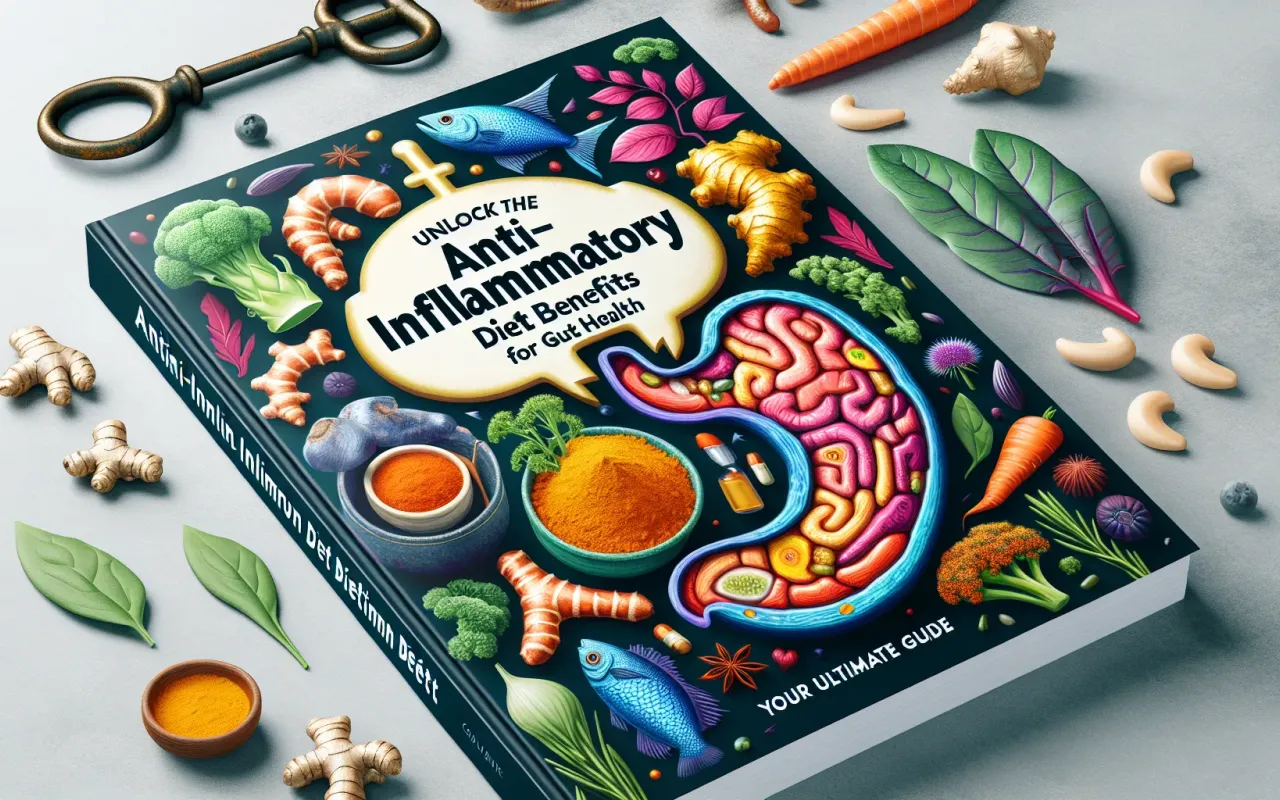
Discover the anti-inflammatory diet benefits for gut health. Learn how to improve your digestive wellness through well-researched dietary choices.
- September 19, 2024
AceShowbiz - Are you looking to enhance your digestive wellness? An anti-inflammatory diet might be the answer. This guide dives deep into the anti-inflammatory diet benefits for gut health, providing you with actionable insights and evidence-based tips.
Understanding Inflammation and Gut Health
Inflammation is the body's natural response to injury or harmful stimuli. While short-term inflammation is a crucial part of the healing process, chronic inflammation can lead to various health issues, particularly within the digestive system.
What is Chronic Inflammation?
Chronic inflammation occurs when the inflammatory response persists over a longer period, potentially causing more harm than good. It has been linked to several gut-related conditions, including irritable bowel syndrome (IBS), Crohn’s disease, and ulcerative colitis.
The Importance of Gut Health
The gut, often referred to as the body’s second brain, plays a vital role in overall health. A healthy gut aids in digestion, nutrient absorption, and the immune system. Disruptions in gut health can lead to discomfort, disease, and decreased overall well-being.
Anti-inflammatory Diet Benefits for Gut Health
Adopting an anti-inflammatory diet can significantly benefit gut health by addressing chronic inflammation and promoting a balanced digestive system. Let’s explore the key benefits.
1. Reducing Gut Inflammation
Foods rich in antioxidants and omega-3 fatty acids, such as berries and fatty fish, can help reduce inflammation in the gut. These foods combat oxidative stress, a major contributor to inflammation.
2. Enhancing Gut Microbiota
A diverse and balanced gut microbiota is crucial for digestive health. Fibrous vegetables, legumes, and whole grains feed beneficial gut bacteria, promoting a healthy gut environment. Probiotic foods like yogurt and fermented vegetables introduce good bacteria to your gut.
3. Improving Nutrient Absorption
Inflammation can hinder the gut’s ability to absorb nutrients efficiently. By reducing inflammation, an anti-inflammatory diet supports better nutrient uptake, ensuring that your body gets the vitamins and minerals it needs.
4. Alleviating Symptoms of Digestive Disorders
Individuals with conditions like IBS or Crohn’s disease often find relief in anti-inflammatory dietary choices. Foods that are gentle on the digestive system, like leafy greens and lean proteins, can help manage symptoms and improve quality of life.
Essential Foods in an Anti-inflammatory Diet
Implementing an anti-inflammatory diet involves focusing on unprocessed, nutrient-dense foods. Here are some staples to include in your diet.
Fruits and Vegetables
Leafy greens, berries, and cruciferous vegetables are packed with antioxidants and fiber, essential for reducing inflammation and supporting gut health.
Whole Grains
Oats, quinoa, and brown rice are excellent sources of fiber, which promotes a healthy gut microbiota and smooth digestive processes.
Lean Proteins
Fish, chicken, and plant-based proteins like beans and lentils provide essential nutrients without adding inflammatory compounds often found in processed meats.
Healthy Fats
Olive oil, avocados, and nuts supply omega-3 fatty acids, which have proven anti-inflammatory properties crucial for maintaining gut health.
Probiotic and Prebiotic Foods
Yogurt, kefir, sauerkraut, and other fermented foods enrich your gut with beneficial bacteria, while prebiotics like garlic and onions feed these good bacteria.
Foods to Avoid for Optimal Gut Health
While focusing on anti-inflammatory foods, it’s equally important to limit or eliminate foods known to exacerbate inflammation and disrupt gut health.
Refined Carbohydrates and Sugars
White bread, pastries, and sugary beverages can spike insulin levels and contribute to inflammation.
Processed Foods
Items like fast food, processed snacks, and ready-made meals often contain additives, preservatives, and unhealthy fats that can harm gut health.
Red and Processed Meats
Diets high in red and processed meats have been linked to increased inflammation and should be consumed minimally.
Artificial Sweeteners
These can negatively impact gut bacteria and contribute to digestive discomfort. Natural sweeteners like honey or stevia are better alternatives.
Adopting an Anti-inflammatory Lifestyle
Beyond diet, several lifestyle factors can influence inflammation and gut health. Here are some additional practices to support your dietary efforts.
Regular Physical Activity
Exercise helps reduce inflammation and supports overall digestive health. Aim for at least 30 minutes of moderate activity most days of the week.
Stress Management
Chronic stress can exacerbate inflammation and gut issues. Incorporate stress-reducing activities like meditation, yoga, and deep-breathing exercises into your routine.
Adequate Sleep
Quality sleep is essential for bodily repair processes, including inflammation reduction. Strive for 7-9 hours of restful sleep per night.
Conclusion
Investing in an anti-inflammatory diet can offer substantial benefits for your gut health. By embracing nutritious, whole foods and a balanced lifestyle, you can reduce inflammation, enhance gut function, and enjoy a better quality of life. Take the first step today and experience the transformative impact of an anti-inflammatory diet on your digestive wellness.