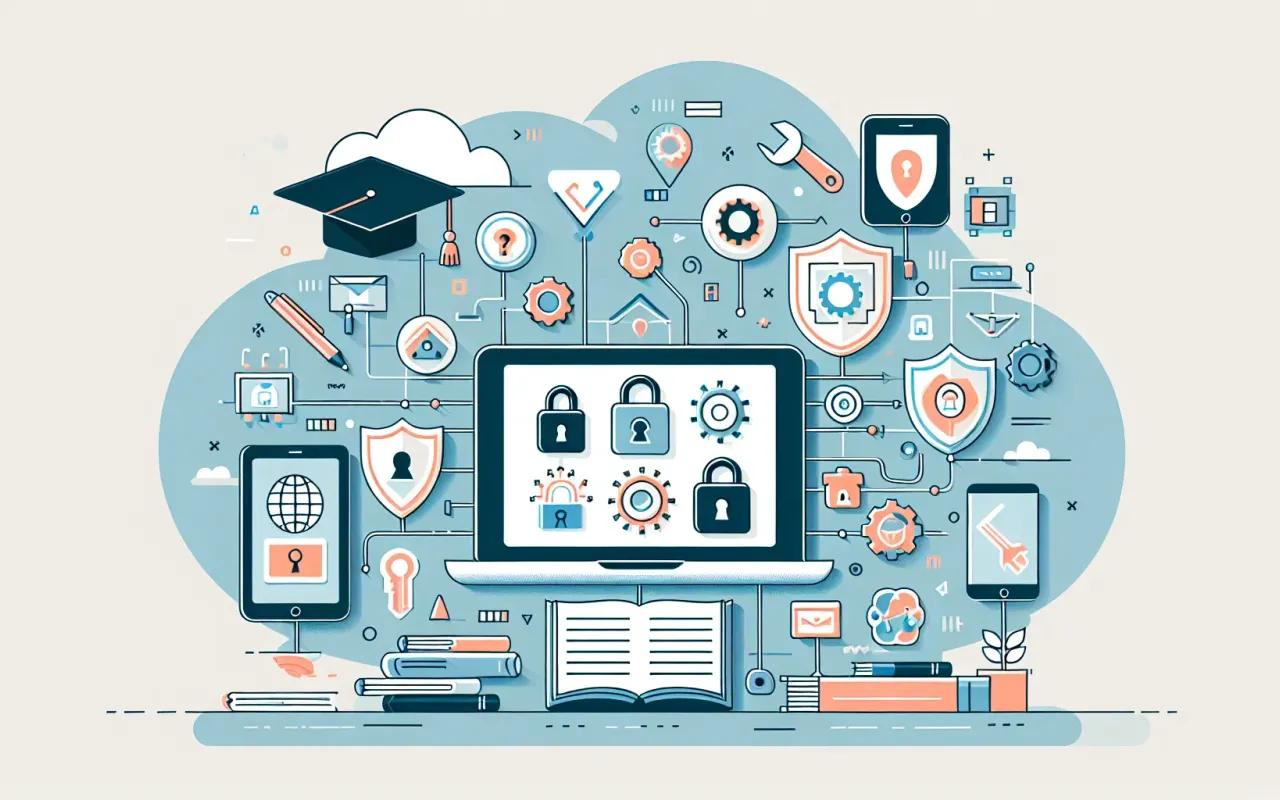
Explore the top data privacy challenges in digital learning environments and discover effective strategies to tackle them. Ensure your educational platforms are secure and trustworthy.
- September 16, 2024
As digital learning environments continue to evolve, the importance of data privacy becomes increasingly critical. These platforms collect vast amounts of personal data from students and educators, making them potential targets for data breaches and cyberattacks. Ensuring the privacy and security of this data is essential to maintain trust and compliance with regulations. This article will explore the top data privacy challenges in digital learning environments and provide actionable solutions to address them.
Understanding the Importance of Data Privacy in Digital Learning
Data privacy in digital learning environments is paramount to safeguarding sensitive information. With the increased use of online platforms for education, the volume of personal data, including student records, financial information, health data, and academic performance, has grown exponentially. Protecting this data is essential to prevent identity theft, fraud, and ensuring the safety of individuals within the digital learning space.
Top Data Privacy Challenges in Digital Learning Environments
1. Data Collection and Storage
The extensive collection and storage of personal data present a significant challenge. Educational institutions must collect various types of data for administrative and academic purposes. However, without proper data protection measures, the potential for unauthorized access and data breaches increases.
Solution: Implement data minimization practices, ensuring only necessary data is collected and stored. Utilize encryption technologies and secure storage systems to protect the data from unauthorized access.2. Data Sharing with Third-Party Vendors
Collaboration with third-party vendors and service providers is common in the digital learning ecosystem. However, sharing data with these external parties can expose sensitive information to risks if the vendors lack robust security measures.
Solution: Establish stringent data sharing agreements and conduct thorough security assessments of third-party vendors. Ensure that these vendors comply with relevant data protection regulations and have effective security measures in place.3. Regulatory Compliance
Adhering to various data protection regulations, such as GDPR, FERPA, and COPPA, is crucial for educational institutions. Non-compliance can result in hefty fines and damage to reputation.
4. Cybersecurity Threats
Digital learning environments are attractive targets for cybercriminals. Phishing attacks, malware, ransomware, and other cybersecurity threats can compromise the integrity and confidentiality of personal data.
Solution: Implement robust cybersecurity measures, including firewalls, antivirus software, and intrusion detection systems. Regularly update your systems and conduct vulnerability assessments to identify and mitigate potential risks.5. User Authentication and Access Control
Ensuring that only authorized individuals have access to sensitive data is a critical aspect of data privacy. Weak authentication methods can lead to unauthorized access and data breaches.
Solution: Employ strong authentication mechanisms such as multi-factor authentication (MFA) and role-based access controls (RBAC). Regularly review and update access permissions to ensure that only necessary personnel have access to sensitive data.6. Awareness and Training
One of the biggest challenges is the lack of awareness and adequate training among users regarding data privacy practices. This can lead to inadvertent data breaches and privacy violations.
Solution: Conduct regular training sessions and awareness programs for students, educators, and administrative staff. Emphasize the importance of data privacy and educate users on best practices for data protection.7. Data Retention and Disposal
Proper data retention and disposal practices are essential to prevent unauthorized access to obsolete data. Retaining data longer than necessary increases the risk of it being compromised.
Solution: Develop and enforce a data retention policy that specifies the retention period for different types of data. Implement secure disposal methods such as data anonymization or secure deletion to ensure that obsolete data is irretrievable.Conclusion
Data privacy challenges in digital learning environments are multifaceted and evolving. By understanding these challenges and implementing the recommended solutions, educational institutions can effectively protect personal data and maintain trust among students, educators, and stakeholders. Prioritizing data privacy not only ensures compliance with regulations but also fosters a secure and conducive learning environment.