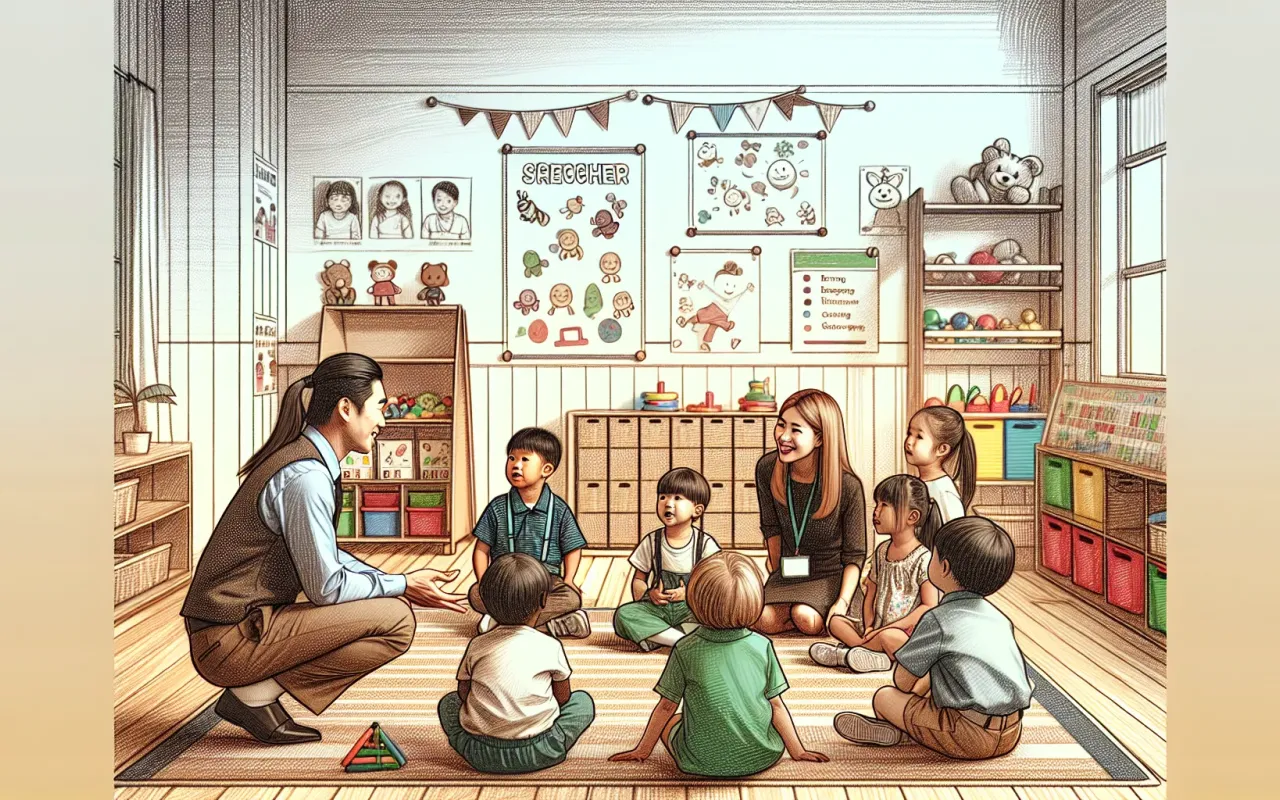
Learn effective communication strategies with preschoolers to enhance their development and foster a strong relationship. Practical tips for parents and educators.
- September 7, 2024
AceShowbiz - Effectively communicating with preschoolers can be both rewarding and challenging for parents and educators. This pivotal stage is crucial for a child's development, and adopting the right communication strategies can significantly enhance their growth and learning experiences. This article delves into various methods that can help you foster better understanding and interaction with preschoolers.
Understanding the Basics of Communication with Preschoolers
Preschoolers, typically aged 3-5 years, are at a critical stage of developing their language and social skills. Their cognitive and emotional abilities are rapidly evolving, which means they often express themselves differently from older children or adults. Understanding these characteristics is essential for effective communication.
Language Development
During the preschool years, children’s vocabulary expands dramatically. They begin to form more complex sentences and grasp basic grammar rules. However, they may still struggle with pronunciation and finding the right words.
Emotional Expression
Preschoolers are learning to navigate their emotions. They may experience intense feelings but have limited skills to articulate or manage them. This can lead to frustration, making it crucial for adults to approach communication with patience and empathy.
Key Strategies for Effective Communication
Active Listening
One of the most critical skills in any communication is active listening. Show your preschooler that you value their words by giving them your full attention. This involves:
- Eye Contact: Maintain eye contact to show you’re engaged.
- Body Language: Use open and inviting body language.
- Responses: Nod or verbally acknowledge their thoughts, ensuring them that you understand.
Simple and Clear Language
Use simple, clear, and concise language when speaking with preschoolers. Avoid long sentences and complex words. Instead, break down instructions and information into manageable chunks.
Non-Verbal Communication
Non-verbal cues, such as facial expressions and gestures, play a significant role in communication with young children. Use positive body language to reinforce your words and help convey emotions effectively.
Consistency and Routine
Preschoolers thrive on routine and consistency. Establishing a predictable environment helps them feel secure and understand what is expected. Consistent communication patterns can prevent confusion and build trust.
Encouraging Open Communication
Open communication is vital for creating a trusting relationship where children feel safe to express themselves. Here are some ways to encourage openness:
Create a Safe Environment
Ensure your child feels safe to share their thoughts and feelings without fear of judgment or punishment. This involves being approachable and maintaining a non-threatening demeanor.
Ask Open-Ended Questions
Encourage preschoolers to express themselves by asking open-ended questions rather than questions that can be answered with a simple yes or no. For example:
- “What did you enjoy most about your day?â€
- “How did that make you feel?â€
Validate Their Feelings
Recognize and validate your preschooler's emotions. Acknowledge their feelings and let them know it’s okay to feel sad, angry, or happy. This helps them understand and regulate their emotions better.
Common Challenges and Solutions
Handling Temper Tantrums
Temper tantrums are a common part of preschool development. When they occur:
- Stay Calm: Keep your composure to prevent escalating the situation.
- Validate Emotions: Acknowledge their feelings without giving in to unreasonable demands.
- Offer Choices: Provide simple choices to help them feel more in control.
Dealing with Shyness
Some preschoolers may be naturally shy or introverted. Encourage them to communicate by:
- Creating a Comfort Zone: Foster a comfortable environment where they feel safe to speak.
- Role-Playing: Use role-play to simulate social scenarios and build confidence.
- Praise Efforts: Praise their attempts at communication, regardless of the outcome.
The Role of Educators in Communication
Educators play a significant role in a preschooler's communication development. In a classroom setting, effective communication can enhance learning and foster a supportive environment.
Promote Interactive Activities
Engage children in interactive activities that encourage communication, such as group discussions, storytelling, and collaborative games. These activities help build language skills and social confidence.
Model Good Communication
Educators should model effective communication practices. Displaying good listening skills, clear articulation, and appropriate emotional expression sets a positive example for children to follow.
Conclusion
Effective communication with preschoolers is foundational to their development and learning. By understanding their unique needs and incorporating strategies such as active listening, simple language, and emotional validation, parents and educators can foster a supportive and enriching environment. Navigating common challenges with patience and empathy further strengthens these communication efforts, ensuring that preschoolers feel heard, understood, and valued.
Incorporating these methods into daily interactions with preschoolers sets the stage for a lifetime of effective communication skills and healthy emotional development.