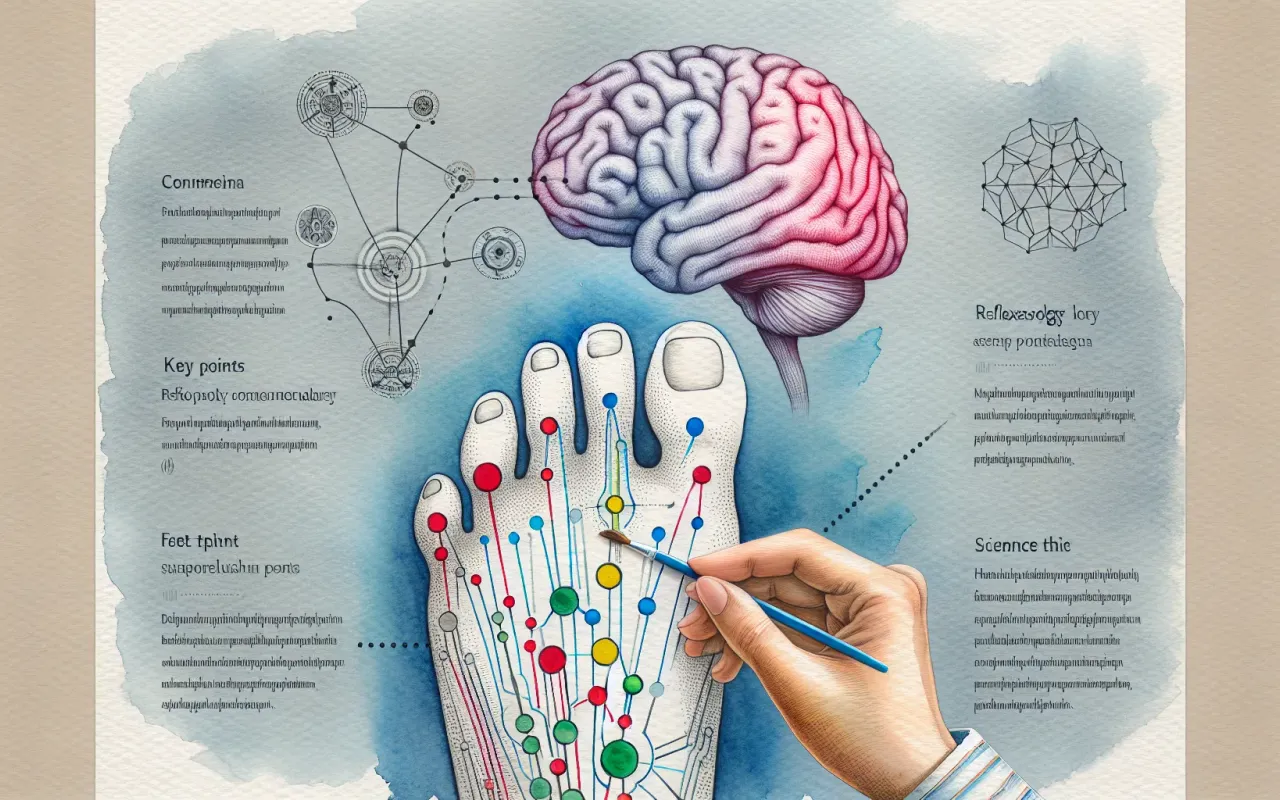
Discover how reflexology helps with anxiety, exploring the science behind its benefits. Learn how this practice can be a valuable tool for anxiety management.
- September 6, 2024
AceShowbiz - In today's fast-paced world, anxiety has become a common issue that affects millions of people globally. While conventional treatments like medication and therapy are often prescribed, many individuals seek alternative or complementary therapies to alleviate their symptoms. One such therapy gaining attention is reflexology.
This article delves into how reflexology helps with anxiety, examining the science behind its benefits, and exploring how this practice can serve as an effective tool for anxiety management.
Understanding Reflexology
What is Reflexology?
Reflexology is an ancient practice that involves applying pressure to specific points on the feet, hands, and ears. These pressure points correspond to different organs and systems within the body. Reflexologists believe that stimulating these points can promote healing and relaxation.
The History of Reflexology
The roots of reflexology trace back thousands of years to ancient Egypt, China, and India. Modern reflexology, however, was popularized in the early 20th century by William H. Fitzgerald, an American doctor, who coined the term "zone therapy."
The Science Behind Reflexology and Anxiety
How Reflexology Affects the Nervous System
One of the primary ways reflexology helps with anxiety is through its impact on the nervous system. By stimulating specific reflex points, reflexology may help in balancing the autonomic nervous system, fostering a state of relaxation and reducing stress hormones such as cortisol.
Endorphin Release
Another mechanism by which reflexology alleviates anxiety is by promoting the release of endorphins—natural mood elevators. Endorphins can induce a sense of well-being and reduce the perception of pain, contributing to an overall decrease in anxiety levels.
Research Studies on Reflexology and Anxiety
Clinical Evidence
Several studies have examined the efficacy of reflexology in reducing anxiety. For instance, a study published in the Journal of Korean Academy of Nursing found that cancer patients who received reflexology showed a significant reduction in anxiety levels compared to those who received routine care.
Meta-Analyses and Systematic Reviews
Meta-analyses and systematic reviews also suggest positive outcomes. An analysis published in BMC Complementary Medicine and Therapies concluded that reflexology could effectively reduce anxiety in various populations, though the authors called for more rigorous studies to solidify these findings.
Practical Benefits of Reflexology for Anxiety
Non-Invasive and Drug-Free
One of the main advantages of reflexology is that it is non-invasive and drug-free. This makes it an attractive option for individuals who prefer natural treatments or who wish to avoid the side effects of medication.
Ease of Access
With a relatively low cost and accessibility, reflexology can be easily incorporated into a self-care routine. It does not require any special equipment, and one can even practice basic reflexology techniques at home.
Complementary to Conventional Treatments
Reflexology can complement other forms of anxiety treatment, such as cognitive-behavioral therapy (CBT) and medication. Integrating reflexology into a comprehensive treatment plan may enhance overall outcomes.
How to Get Started with Reflexology
Finding a Qualified Reflexologist
To start reaping the benefits of reflexology, it is essential to find a qualified reflexologist. Look for practitioners who have undergone formal training and are certified by recognized organizations, such as the American Reflexology Certification Board (ARCB).
DIY Reflexology
For those interested in a hands-on approach, there are numerous resources available to learn basic reflexology techniques. Books, online courses, and workshops can offer valuable guidance.
Self-Care Routine
Incorporating reflexology into a daily or weekly self-care routine can make a significant difference. Simple foot massages focusing on reflex points can be a relaxing and effective practice.
Conclusion
While reflexology is not a cure-all, it offers promising benefits for those struggling with anxiety. Through stimulating specific pressure points, reflexology can promote relaxation, reduce stress, and enhance overall well-being.
As research continues to explore the connection between reflexology and anxiety, its role as a complementary treatment option is becoming increasingly recognized. For anyone looking for an alternative approach to manage anxiety, reflexology is certainly worth considering.