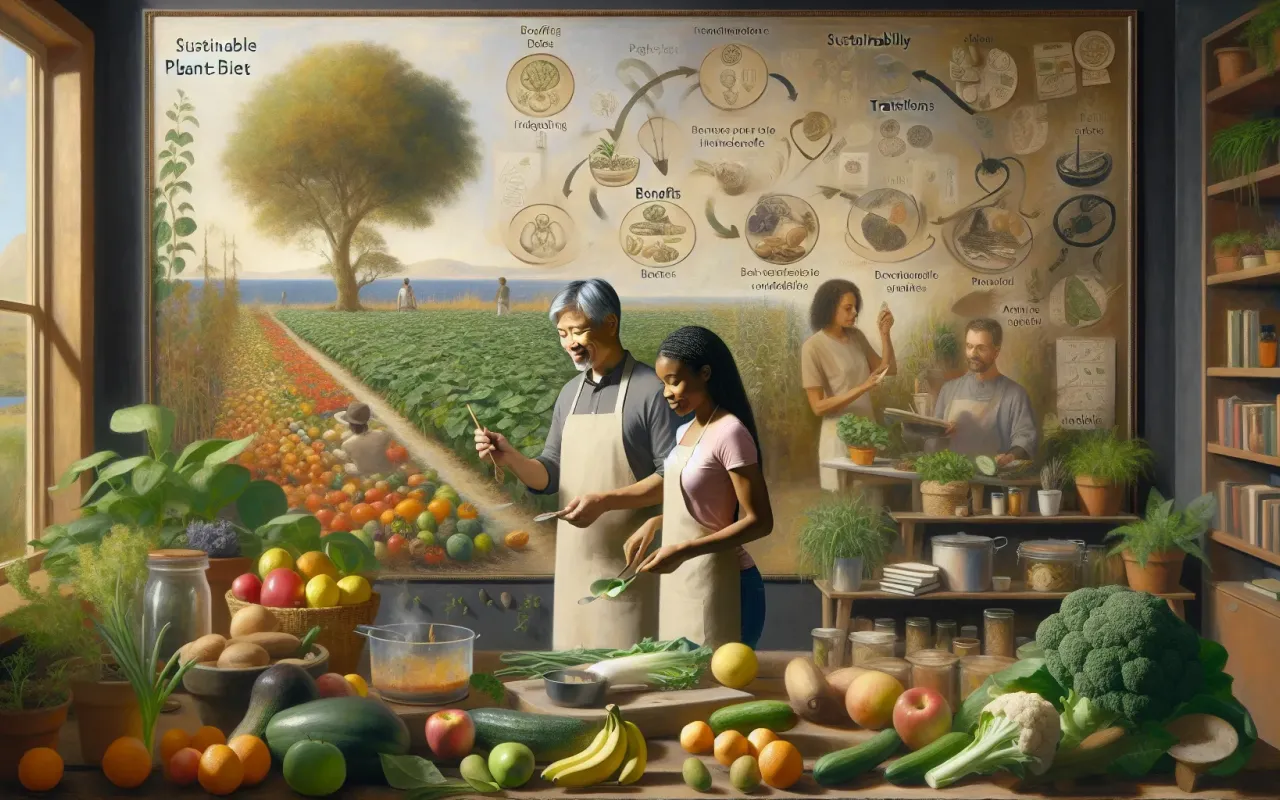
Learn how to transition to a plant-based diet sustainably with our comprehensive guide. Discover steps, tips, and resources for a successful dietary shift.
- September 5, 2024
In recent years, the plant-based diet has gained significant popularity, not only for its health benefits but also for its potential to contribute to environmental sustainability. If you're considering making the switch, this guide will show you how to transition to a plant-based diet sustainably.
Understanding the Plant-Based Diet
Before diving into the transition process, it’s essential to understand what a plant-based diet entails. A plant-based diet focuses on foods primarily from plants. This includes not only fruits and vegetables, but also nuts, seeds, oils, whole grains, legumes, and beans. It doesn't necessarily mean that you are vegetarian or vegan and never eat meat or animal products. Rather, you are proportionately choosing more of your foods from plant sources.
Benefits of a Plant-Based Diet
Embracing a plant-based diet brings numerous benefits ranging from health to environmental sustainability:
- Improved Health: A diet rich in fruits, vegetables, and whole grains can lower blood pressure, reduce the risk of heart disease, and help maintain a healthy weight.
- Environmental Impact: Plant-based diets require fewer resources like land and water. They also result in lower greenhouse gas emissions compared to animal-based diets.
- Animal Welfare: Reducing or eliminating animal products lowers the demand for livestock farming, which can decrease animal suffering.
Steps to Transition to a Plant-Based Diet Sustainably
1. Start Slowly
One of the most sustainable ways to adopt a plant-based diet is to start gradually. Begin by incorporating one plant-based meal a day or designating one day a week as a plant-based day. This method helps your body adjust and makes the shift more manageable.
2. Educate Yourself
Knowledge is power. Understanding nutritional requirements and how to meet them with plant-based foods can prevent deficiencies and ensure you maintain a balanced diet. Reading books, listening to podcasts, and consulting with a dietitian can provide valuable insights.
3. Plan Your Meals
Planning is crucial when transitioning to a plant-based diet. Create weekly meal plans and grocery lists to ensure you have a variety of nutritious foods available. Focus on whole foods and minimize processed plant-based products for the best health outcomes.
4. Experiment with Recipes
Embrace the variety and creativity that plant-based cooking offers. Experiment with new recipes, cuisines, and ingredients. It’s easier to stick to your diet when you enjoy the meals you’re eating.
5. Be Mindful of Nutrients
Certain nutrients such as vitamin B12, iron, calcium, omega-3 fatty acids, and protein can be more challenging to obtain from a plant-based diet. Incorporate fortified foods and consider supplements if necessary to meet your nutritional needs.
6. Connect with a Community
Joining a community of like-minded individuals can provide support, share experiences, and inspire you. Find local groups, online forums, or social media communities to connect with others on a similar journey.
7. Stay Informed About Environmental Impact
Stay conscious of the environmental impact of your food choices. Opt for locally-grown, seasonal produce to reduce your carbon footprint. Avoid excessive packaging and choose organic options whenever possible.
Common Challenges and How to Overcome Them
Dealing with Social Situations
Dining out or attending social gatherings can be challenging when following a plant-based diet. Research restaurant menus in advance or suggest venues that offer plant-based options. Inform hosts about your dietary preferences and offer to bring a plant-based dish to share.
Managing Cravings
It's normal to experience cravings, especially if you're used to eating animal products. Find plant-based alternatives to your favorite foods and keep healthy snacks on hand to curb cravings.
Ensuring Nutritional Balance
Without proper planning, it’s possible to miss out on essential nutrients. Balance your meals with a variety of colorful fruits and vegetables, whole grains, legumes, nuts, and seeds to cover your nutritional bases.
Costs of Plant-Based Foods
There's a myth that plant-based diets are expensive. In truth, budget-friendly plant-based diets can be achieved by focusing on whole foods, buying in bulk, and preparing meals at home. Seasonal and locally produced items can also lower costs.
Conclusion
Transitioning to a plant-based diet sustainably involves a combination of gradual change, education, planning, and community support. By understanding the benefits and taking a strategic approach, you can enjoy a healthy, environmentally friendly diet that’s both satisfying and nutritious. Stay mindful of your nutritional needs and embrace the diverse culinary landscape that a plant-based diet offers.