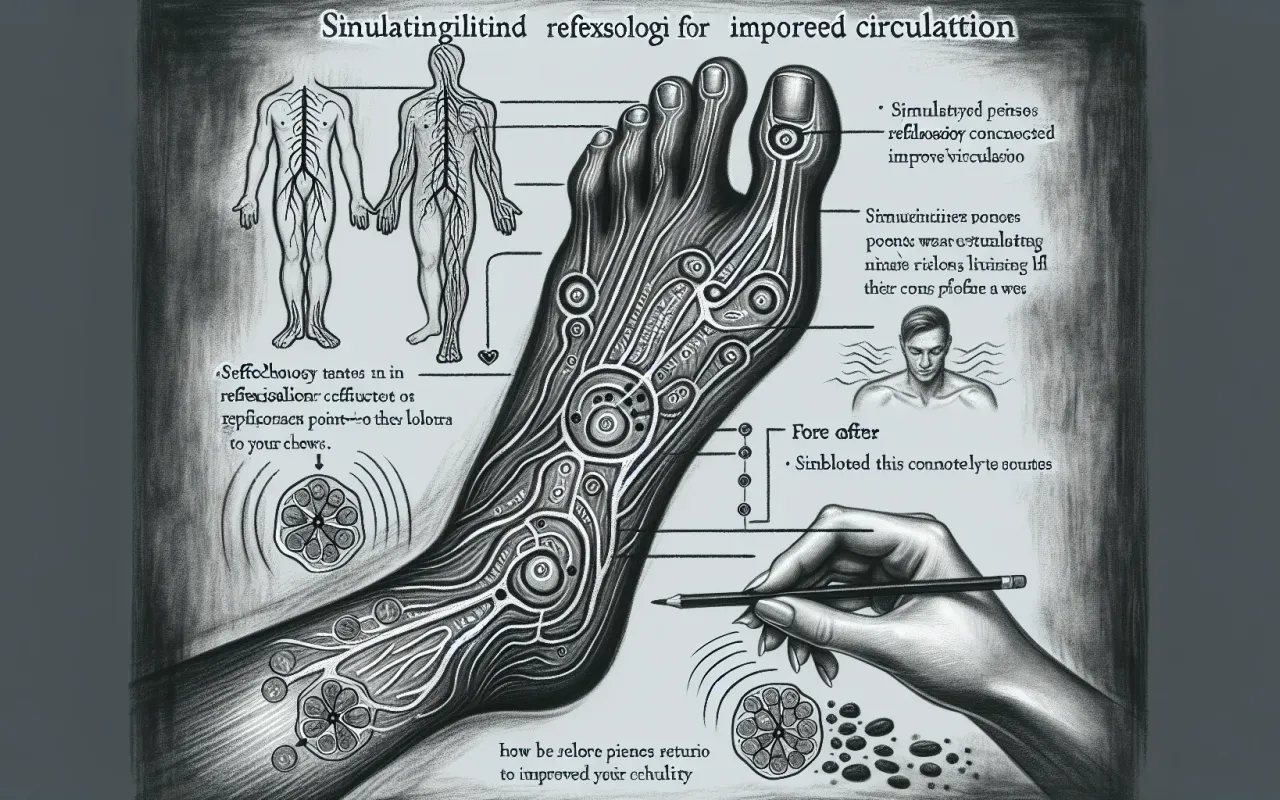
Discover the benefits of reflexology for improved circulation. This guide explains everything you need to know about using reflexology to enhance blood flow and overall health.
- September 5, 2024
Reflexology has long been touted for its therapeutic effects on various bodily functions, including improved circulation. This holistic practice involves applying pressure to specific points on the feet, hands, and ears, which correlate to different organs and systems within the body.
Understanding and utilizing reflexology for improved circulation benefits can be a game-changer for individuals dealing with circulation-related issues. In this guide, we delve into the science behind reflexology, explore its various benefits, and offer practical tips on incorporating this practice into your daily routine.
What is Reflexology?
Reflexology, also known as zone therapy, is an alternative medical practice involving the application of pressure to specific points on the feet, hands, and ears. These pressure points are believed to correspond to different organs and systems throughout the body. Reflexologists use their hands, thumbs, and fingers to manipulative these points with the aim of improving overall health and wellness.
How Does Reflexology Work?
The Theory Behind Reflexology
Reflexology is based on the principle that certain points on the feet, hands, and ears are linked to specific organs and systems within the body. By stimulating these reflex points, reflexologists aim to promote health and wellness throughout the entire body.
Improving Circulation Through Reflexology
One of the primary benefits of reflexology is improved circulation. Poor blood circulation can lead to various health issues, including fatigue, muscle cramps, and even cardiovascular problems. By stimulating the reflex points associated with the circulatory system, reflexology can help enhance blood flow and improve overall health.
Benefits of Reflexology for Improved Circulation
Enhanced Blood Flow
Reflexology promotes relaxation and helps to reduce stress, both of which are critical for maintaining healthy blood flow. Additionally, by targeting reflex points connected to the circulatory system, reflexologists can help improve the circulation of blood throughout the body.
Reduced Swelling and Pain
Poor circulation often leads to swelling and pain in various parts of the body. By stimulating reflex points, reflexology can help reduce inflammation and alleviate discomfort in affected areas.
Improved Nerve Function
Healthy blood flow is essential for nerve function. Reflexology can help enhance circulation to improve the delivery of nutrients and oxygen to the nerves, supporting better overall nerve health.
Practical Tips for Incorporating Reflexology Into Your Routine
Finding a Certified Reflexologist
To reap the full benefits of reflexology for improved circulation, consider working with a certified reflexologist. These professionals are trained to identify and stimulate the appropriate reflex points to enhance blood flow and overall health.
Self-Reflexology Techniques
If visiting a reflexologist is not feasible, you can perform self-reflexology at home. Familiarize yourself with the reflex points on your feet, hands, and ears, and use gentle pressure to stimulate these areas. Consistency is key, so make reflexology a regular part of your self-care routine.
Conclusion
Understanding and utilizing reflexology for improved circulation benefits can significantly enhance your overall health and well-being. By targeting specific reflex points and promoting better blood flow, reflexology offers a holistic approach to addressing circulation-related issues. Whether you choose to work with a certified reflexologist or incorporate self-reflexology into your routine, this practice can be a valuable addition to your health and wellness regimen.