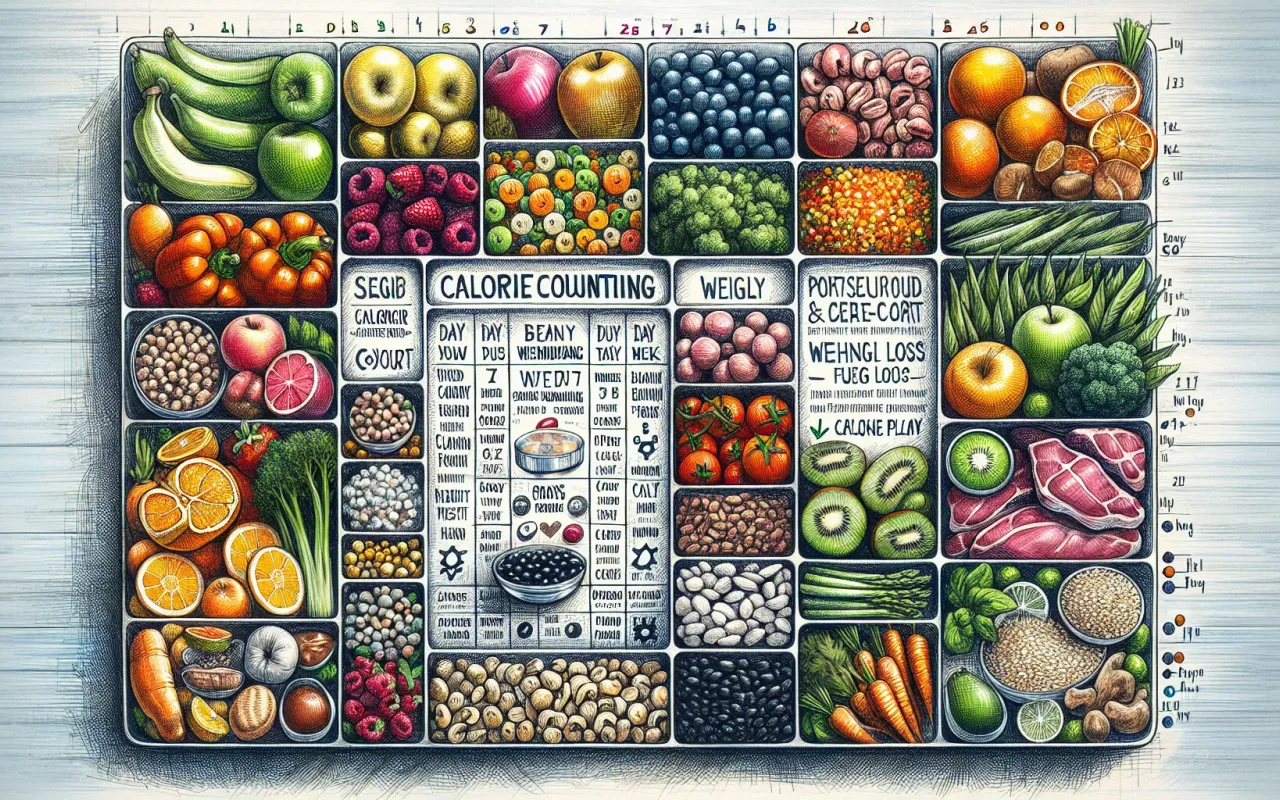
Discover how to create an effective calorie counting weekly meal plan to achieve balanced eating and support your weight loss goals. Expert tips inside!
- September 1, 2024
Introduction
Embarking on a journey to weight loss and healthy living can often feel like a daunting task. One of the most effective strategies to achieve your health goals is through a calorie counting weekly meal plan. This guide will provide you with essential insights, tips, and a sample weekly meal plan to help you maintain balanced eating habits while working towards your weight loss objectives.
Understanding Calorie Counting
What is Calorie Counting?
Calorie counting involves keeping track of the number of calories you consume on a daily basis. It's a fundamental approach for those aiming to lose weight, maintain weight, or ensure optimal energy levels. By monitoring your calorie intake, you can make informed food choices and maintain a balanced diet.
Why Calorie Counting Works
Calorie counting works by creating a caloric balance—where the calories consumed are either equal to or less than the calories burned through daily activities and exercise. This method helps establish a clear picture of your eating habits and allows for necessary adjustments to meet your health goals.
Creating a Weekly Meal Plan
Setting Your Caloric Goals
Before diving into meal planning, it's crucial to determine your daily caloric needs. Several factors influence your caloric requirements, including age, gender, weight, height, and physical activity level. Online calculators can provide a personalized caloric intake recommendation.
Selecting Nutrient-Dense Foods
When designing a calorie counting weekly meal plan, prioritize nutrient-dense foods that provide essential vitamins and minerals without excessive calories. Incorporate a variety of fruits, vegetables, lean proteins, whole grains, and healthy fats. These foods help you stay full, energized, and nutritionally balanced.
Sample Calorie Counting Weekly Meal Plan
This sample plan assumes a daily intake of 1,800-2,000 calories, which is a common target for moderate weight loss. Adjust portions and ingredients based on your specific caloric needs.
Day 1:
- Breakfast: Greek yogurt with fresh berries and a drizzle of honey
- Snack: Apple slices with almond butter
- Lunch: Quinoa salad with mixed greens, cherry tomatoes, cucumber, and grilled chicken breast
- Snack: Carrot sticks with hummus
- Dinner: Baked salmon with steamed broccoli and a small baked sweet potato
Day 2:
- Breakfast: Oatmeal topped with sliced banana and a sprinkle of chia seeds
- Snack: Handful of mixed nuts
- Lunch: Whole grain wrap filled with turkey, avocado, lettuce, and tomato
- Snack: Sliced cucumber with tzatziki sauce
- Dinner: Stir-fried tofu with a variety of vegetables and brown rice
Day 3:
- Breakfast: Smoothie made with spinach, frozen berries, protein powder, and almond milk
- Snack: Hard-boiled egg
- Lunch: Mixed greens salad with quinoa, chickpeas, sunflower seeds, and a light vinaigrette
- Snack: Grapes
- Dinner: Grilled chicken with roasted vegetables and quinoa
Tips for Successful Calorie Counting
Consistency is Key
Maintain a consistent meal schedule and stick to your daily caloric goals. Track what you eat using a food diary or a mobile app designed for calorie counting.
Stay Hydrated
Water plays a crucial role in weight loss and overall health. Aim to drink at least 8 glasses of water a day to stay hydrated and support your metabolism.
Plan and Prepare
Plan your meals in advance and prep ingredients ahead of time to make meal preparation quick and efficient. This reduces the temptation to grab unhealthy snacks or fast food.
Listen to Your Body
Pay attention to your hunger and fullness cues. Eating mindfully helps prevent overeating and promotes a healthier relationship with food.
Conclusion
A calorie counting weekly meal plan is an effective strategy for achieving balanced eating habits and attaining weight loss goals. By understanding your caloric needs, selecting nutrient-dense foods, and staying consistent, you can make significant progress towards a healthier lifestyle. Utilize the sample meal plan and tips provided to kickstart your journey, and remember that patience and persistence are key to long-term success.