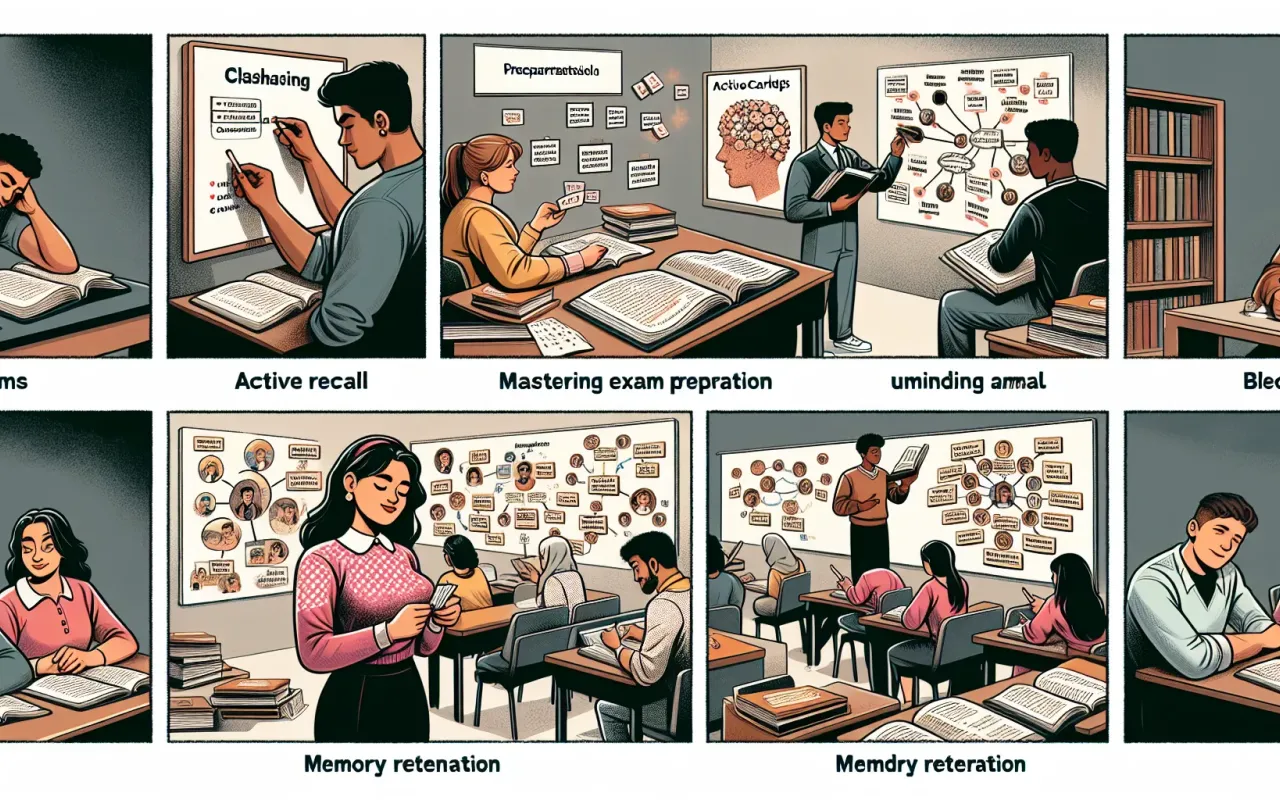
Learn how to enhance your exam preparation by combining active recall with other proven study techniques. Read our comprehensive guide to improve your study effectiveness and achieve academic success.
- September 1, 2024
AceShowbiz - Preparing for exams can be a challenging and sometimes overwhelming experience. However, by combining active recall with other study techniques, students can significantly enhance their learning and retention abilities. This comprehensive guide will delve into the most effective ways to integrate diverse study methods, aiming to maximize academic success.
Understanding Active Recall
Active recall is a study technique that involves actively stimulating memory during the learning process. Unlike passive study methods, such as reading notes or textbooks, active recall requires the learner to retrieve information without seeing it in front of them. This practice strengthens neural connections, making it easier to recall the information in the future.
Benefits of Active Recall
- Improves long-term memory retention.
- Enhances understanding and comprehension.
- Increases cognitive effort and engagement.
Combining Active Recall with Other Study Techniques
While active recall is highly effective on its own, incorporating other study techniques can further boost learning outcomes. Here are some methods to combine with active recall for a well-rounded exam preparation strategy:
1. Spaced Repetition
Spaced repetition involves reviewing material at increasing intervals over time. This technique capitalizes on the spacing effect, which states that information is more easily recalled when it is studied across multiple, spaced-out sessions.
Using active recall during spaced repetition sessions helps reinforce the material and combat the forgetting curve. Tools such as flashcards or spaced repetition software (e.g., Anki) can facilitate this process.
2. Practice Testing
Practice tests are an excellent way to integrate active recall with assessment. By simulating exam conditions, students are forced to retrieve information under pressure, which can improve performance on the actual exam.
Additionally, practice tests help identify knowledge gaps, allowing students to focus their study efforts more effectively.
3. Interleaving
Interleaving refers to mixing different topics or subjects in a single study session, rather than focusing on one topic at a time. This approach can improve learning and retention by forcing the brain to distinguish between different types of problems and solutions.
For optimal results, combine interleaving with active recall by alternating between retrieving information from different topics during study sessions.
Enhancing Active Recall with Metacognitive Strategies
In addition to combining active recall with other study techniques, leveraging metacognitive strategies can further optimize learning. Metacognition, or thinking about thinking, involves self-awareness and self-regulation of one's cognitive processes.
1. Self-Reflection
After a study session, take a few moments to reflect on what was learned and how well it was understood. This practice can help identify areas where additional review is needed and encourage deeper processing of the material.
2. Setting Goals
Establishing clear, specific, and achievable goals for each study session can help maintain focus and motivation. Regularly reviewing and adjusting these goals ensures continuous progress and improvement.
3. Monitoring Progress
Consistently tracking one's learning progress can provide valuable insights into the effectiveness of different study techniques. Adjusting strategies based on this feedback can lead to more efficient and productive study sessions.
Practical Tips for Implementing Active Recall and Other Techniques
Implementing multiple study techniques can be challenging. Here are some practical tips to help integrate active recall with other methods seamlessly:
1. Create a Study Schedule
Develop a structured study schedule that incorporates active recall, spaced repetition, practice testing, and interleaving. This organization ensures a balanced approach and optimizes time management.
2. Use Study Aids
Leverage tools such as flashcards, study apps, and practice tests to facilitate active recall and other techniques. These aids can streamline the study process and improve efficiency.
3. Stay Consistent
Consistency is key to successful exam preparation. Regularly engage in active recall and other study methods to build and maintain strong memory retention.
4. Take Breaks
Avoid burnout by taking regular breaks during study sessions. Incorporate short breaks to rest and recharge, which can help maintain focus and productivity.
Conclusion
Incorporating active recall with other study techniques can significantly enhance exam preparation and academic performance. By understanding the benefits of each method and leveraging them in a structured and consistent manner, students can maximize their learning potential and achieve their academic goals.
Implementing these strategies requires effort and dedication, but the rewards are well worth it. Embrace the challenge, stay committed, and watch your study effectiveness soar.