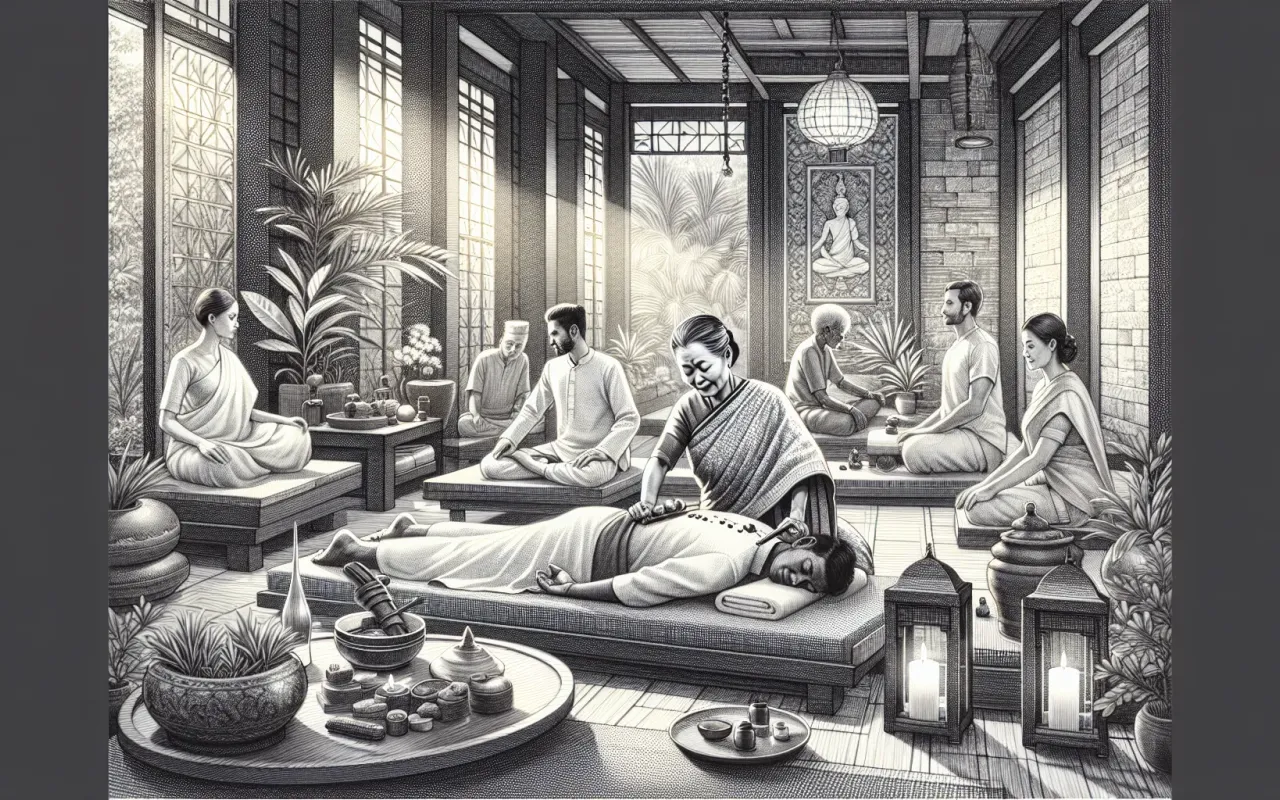
Explore effective Ayurvedic wellness treatments for stress relief. Learn how ancient practices can improve your mental and physical well-being.
- September 1, 2024
AceShowbiz - Stress is an ever-present companion in today's fast-paced world. From professional pressures to personal challenges, stress affects every individual to varying extents. Fortunately, Ayurveda, an ancient healing system from India, offers an array of wellness treatments that effectively combat stress. This article explores the best Ayurvedic wellness treatments for stress, providing a comprehensive understanding of how these ancient practices can enhance your mental and physical well-being.
Understanding Ayurveda and Stress Relief
Ayurveda, often referred to as the “Science of Life,†is a holistic approach to health that emphasizes balance within the body, mind, and spirit. According to Ayurveda, stress is the result of imbalances in our internal energies called 'doshas' – Vata, Pitta, and Kapha. By restoring balance to these doshas, Ayurveda aims to alleviate stress and promote overall well-being.
The Role of Doshas in Stress
The three doshas govern different physiological and psychological functions in the body:
- Vata: Governs movement and is associated with the nervous system.
- Pitta: Governs transformation and is associated with metabolism and digestion.
- Kapha: Governs structure and is associated with the body's stability and immune system.
Stress typically occurs when these doshas are out of balance, leading to symptoms such as anxiety (excess Vata), anger (excess Pitta), or lethargy (excess Kapha). Ayurvedic wellness treatments aim to rebalance these energies, thereby reducing stress and its associated symptoms.
Ayurvedic Wellness Treatments for Stress Relief
Panchakarma
Panchakarma, meaning "five actions," is one of the most well-known Ayurvedic detoxification and rejuvenation treatments. It consists of five therapeutic procedures designed to eliminate toxins and restore doshic balance:
- Vamana (Therapeutic Vomiting): Primarily used to treat Kapha imbalances, this process helps in expelling toxins from the stomach and respiratory tract.
- Virechana (Purgation): Aimed at eliminating Pitta-related toxins, this treatment purges and cleanses the intestines.
- Basti (Enema): Using herbal concoctions, Basti is primarily useful for balancing Vata dosha and cleansing the colon.
- Nasya (Nasal Administration): This treatment administers medicated oils through the nose to cleanse and rejuvenate the head and neck area.
- Raktamokshana (Blood Letting): Used sparingly, this procedure is beneficial for certain blood-borne diseases and Pitta imbalances.
Panchakarma is tailored to the individual's specific doshic imbalances, ensuring that it effectively combats stress and promotes overall health.
Abhyanga (Ayurvedic Massage)
Abhyanga is a full-body massage that uses warm, medicated oils chosen based on the individual's dosha. This therapy is known for its numerous benefits, including:
- Relaxation: The rhythmic, soothing strokes of Abhyanga help calm the mind and reduce anxiety.
- Detoxification: The oils and massage techniques help remove toxins from the body.
- Improved Circulation: Enhanced blood flow revitalizes the body and promotes healing.
By tailoring the treatment to suit the individual's dosha, Abhyanga provides a personalized approach to stress relief.
Shirodhara
Shirodhara involves the continuous pouring of warm herbal oils or medicated liquids onto the forehead, specifically targeting the "third eye" or Ajna chakra. This treatment is particularly effective for:
- Reducing Anxiety: The gentle flow of oil induces a state of deep relaxation, reducing anxiety and nervousness.
- Improving Sleep: Shirodhara promotes restful sleep, which is often disrupted by stress.
- Mental Clarity: It helps in calming the mind and improving concentration and mental clarity.
Herbal Remedies
Ayurveda utilizes a variety of herbs to manage stress and promote mental well-being. Some commonly used herbs include:
- Ashwagandha: Known for its adaptogenic properties, Ashwagandha helps the body adapt to stress and reduces anxiety.
- Brahmi: This herb enhances cognitive function and supports mental clarity and emotional stability.
- Jatamansi: Jatamansi is often used for its calming effects and ability to promote restful sleep.
These herbs can be consumed in various forms such as teas, powders, or supplements, offering a natural way to combat stress.
Lifestyle and Dietary Practices
Dietary Recommendations
Ayurvedic dietary practices play a crucial role in stress management. Consuming a balanced diet that aligns with your dosha can significantly reduce stress. Some general recommendations include:
- For Vata: Warm, cooked foods and grounding spices such as ginger, cinnamon, and cumin.
- For Pitta: Cooling foods like cucumbers, melons, and leafy greens, and avoiding overly spicy or acidic foods.
- For Kapha: Light and warm foods, incorporating stimulating spices like black pepper, turmeric, and mustard seeds.
Staying hydrated and avoiding processed foods can also help maintain doshic balance and manage stress levels.
Yoga and Meditation
Yoga and meditation are integral components of Ayurvedic practice. They help reduce stress by:
- Improving Physical Health: Yoga asanas (postures) improve flexibility, strength, and circulation.
- Calming the Mind: Meditation techniques like mindfulness and deep breathing reduce mental clutter and enhance focus.
- Promoting Emotional Balance: Regular practice fosters a sense of inner peace and emotional stability.
Incorporating yoga and meditation into your daily routine can significantly enhance your ability to manage stress and maintain a balanced life.
Dinacharya (Daily Routine)
In Ayurveda, Dinacharya refers to a daily routine that promotes balance and well-being. This includes:
- Waking Up Early: Rising with the sun helps sync your body's natural rhythms with nature.
- Self-Massage: Incorporating Abhyanga as part of your daily routine.
- Mindful Eating: Eating meals at regular intervals, without distractions.
- Regular Exercise: Incorporating physical activity that suits your dosha.
Adhering to a consistent Dinacharya can bring structure to your day, enhancing your ability to cope with stress.
Conclusion
Ayurvedic wellness treatments offer a holistic and natural approach to managing stress. By addressing the root causes of imbalance in the body's doshas, these treatments promote overall well-being and resilience against stress. Integrating Ayurvedic practices such as Panchakarma, Abhyanga, Shirodhara, herbal remedies, dietary adjustments, yoga, meditation, and a consistent daily routine can create a balanced and harmonious life. Embrace the wisdom of Ayurveda to transform your stress into a state of tranquility and vitality.