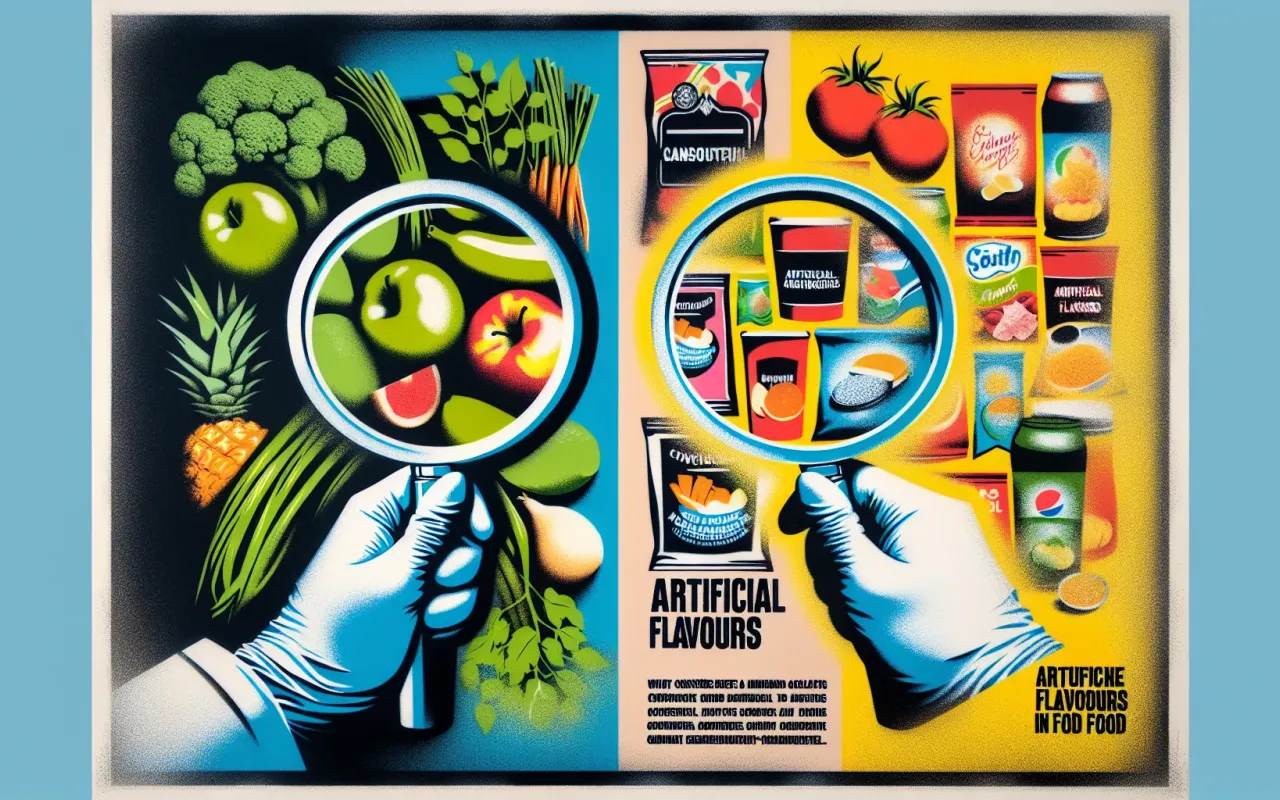
Learn about the hidden artificial flavors in food products, their health implications, and how to identify them. Stay informed and make healthier choices.
- August 29, 2024
Artificial flavors have become ubiquitous in our food products, often lurking behind attractive packaging and appealing taste. However, understanding what these hidden artificial flavors entail and their potential effects on our health is crucial for making informed choices. This article delves into the intricacies of hidden artificial flavors in food products, helping you navigate the complex landscape of food additives.
What Are Artificial Flavors?
Artificial flavors are chemically synthesized compounds designed to mimic the taste of natural ingredients. These substances are created in a lab setting to enhance the flavor profile of food products, making them more palatable and appealing to consumers. Unlike natural flavors, which are derived directly from plant or animal sources, artificial flavors rely on artificial means to imitate the desired taste.
The Prevalence of Hidden Artificial Flavors in Food Products
Artificial flavors are surprisingly common in food products. They can be found in a range of items, including snacks, beverages, canned goods, and even health foods. The food industry often uses these flavors to maintain consistency in taste and to cut costs, as synthesizing flavors in a lab can be cheaper than extracting them from natural sources.
Examples of Common Foods with Hidden Artificial Flavors
- Sodas and carbonated drinks
- Breakfast cereals
- Processed snacks like chips and crackers
- Pre-packaged desserts
- Frozen dinners and ready-to-eat meals
Health Implications of Artificial Flavors
While artificial flavors can enhance the taste of food products, their health effects are a topic of ongoing research and debate. Some artificial flavors have been linked to various health concerns, ranging from allergic reactions to longer-term issues such as metabolic disorders and neurological effects.
Potential Risks Associated with Artificial Flavors
- Allergies and Sensitivities: Some individuals may experience allergic reactions or sensitivities to certain artificial additives.
- Weight Gain: Artificial flavors may contribute to overeating by making unhealthy foods more appealing, leading to weight gain and obesity.
- Metabolic Issues: There is evidence to suggest that some artificial flavors can disrupt normal metabolic processes.
- Neurological Concerns: Some studies have indicated potential links between certain artificial flavors and neurological issues, such as headaches and behavioral changes.
Identifying Hidden Artificial Flavors in Food Products
One of the challenges consumers face is identifying artificial flavors, given that food labeling can often be vague or misleading. Here's how you can spot hidden artificial flavors:
Reading Ingredient Labels
Carefully read the ingredient list on food packaging. Look for terms like "artificial flavor," "flavoring," or specific chemicals known to be artificial additives (e.g., benzaldehyde for almond flavor, ethyl vanillin for vanilla).
Understanding Food Labels
Food labels like "natural flavor" can be misleading. While they suggest natural sources, they may still contain artificial additives. Familiarize yourself with common terminologies and do a bit of research on unfamiliar terms.
Certified Labels and Certifications
Look for products with certification labels such as USDA Organic or Non-GMO Project Verified, which are more likely to limit or exclude artificial flavors. Such certifications offer an extra layer of assurance regarding the quality and authenticity of the ingredients.
Alternatives to Artificial Flavors
Given the potential risks associated with artificial flavors, many consumers are seeking healthier alternatives. Here are some options to consider:
Natural Flavors
Natural flavors are derived from real food sources—plants or animals—and typically undergo less processing than their artificial counterparts. They tend to be safer and more transparent about their origins.
Whole Foods
Whole foods like fruits, vegetables, nuts, and seeds offer a plethora of natural flavors without additives. Incorporating more whole foods into your diet can be a straightforward way to reduce intake of artificial flavors.
DIY Cooking
Preparing meals at home gives you complete control over the ingredients. Using fresh herbs, spices, and natural extracts can elevate the flavor of your dishes without resorting to artificial additives.
Conclusion
Understanding hidden artificial flavors in food products can significantly impact your health and well-being. By becoming more informed about the prevalence, health risks, and how to identify these additives, you can make more conscientious choices about the foods you consume. Opting for natural alternatives and incorporating whole foods into your diet are effective strategies for reducing your intake of artificial flavors. Armed with this knowledge, you are better positioned to navigate the complexities of food labeling and make healthier, more informed decisions.