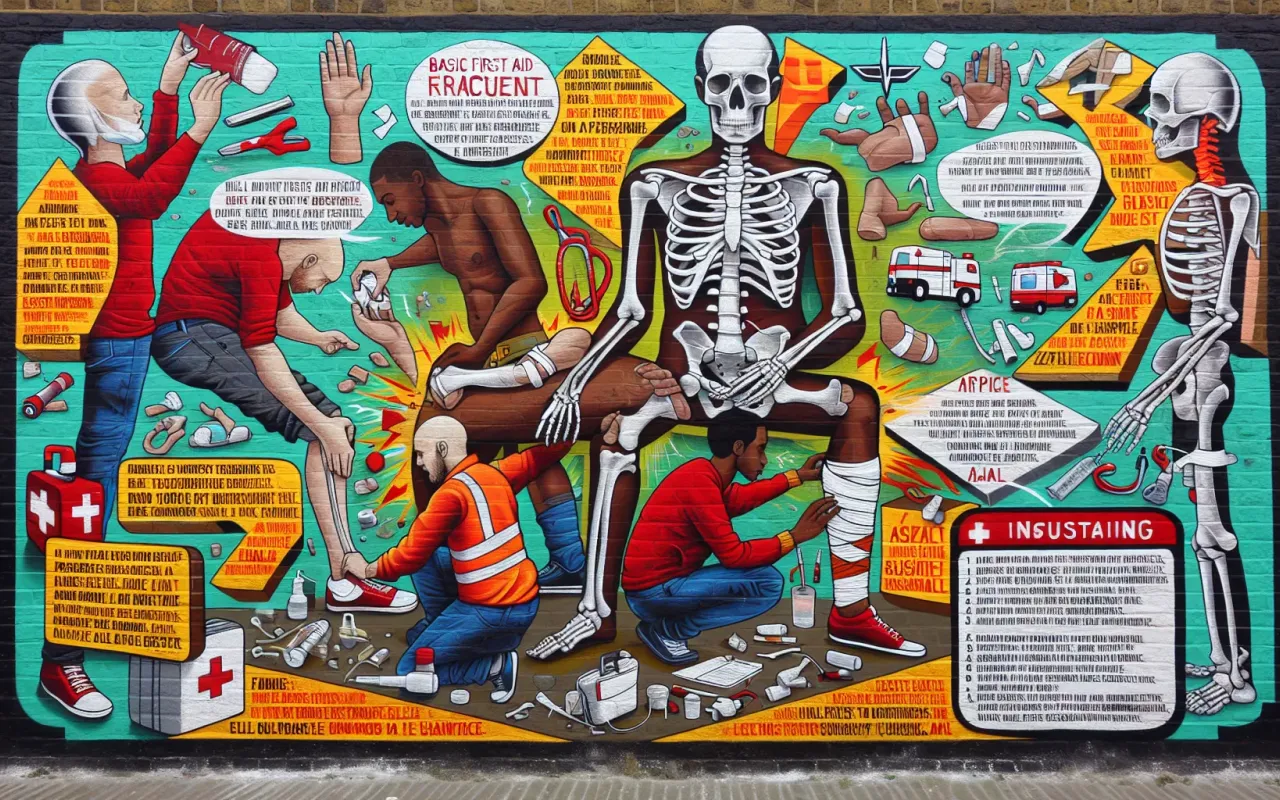
Learn the essential steps for basic first aid for fractures. Our comprehensive guide provides valuable information on how to manage fractures in emergency situations.
- August 29, 2024
Fractures, commonly known as broken bones, are not only painful but can also lead to serious complications if not managed properly. When an individual sustains a fracture, knowing the basic first aid for fractures can make a significant difference. This guide aims to equip you with essential knowledge on how to handle fractures in emergency situations.
Understanding Fractures
A fracture occurs when there is a break in the continuity of the bone. Fractures can range from simple cracks to complete breaks and can be categorized into several types, including:
Types of Fractures
- Closed (Simple) Fracture: The bone breaks but does not pierce the skin.
- Open (Compound) Fracture: The bone breaks and pierces through the skin, increasing the risk of infection.
- Stress Fracture: A small crack in the bone often caused by repetitive stress or overuse.
- Comminuted Fracture: The bone breaks into several pieces.
- Greenstick Fracture: An incomplete fracture where the bone bends, common in children.
Immediate First Aid Steps for Fractures
When dealing with fractures, it's crucial to stay calm and follow a systematic approach to ensure the patient's well-being until professional medical help arrives.
Step 1: Assess the Situation
Before providing first aid, ensure the area is safe for both you and the injured person. Check for any additional hazards such as traffic, falling debris, or unstable surfaces. Once the environment is secure, carefully check the injured person for any signs of a fracture.
Step 2: Call for Medical Assistance
Contact emergency services immediately if you suspect a fracture, especially in the case of an open fracture, severe bleeding, or if the injured person is unresponsive. Provide the dispatcher with detailed information about the location and nature of the injury.
Step 3: Immobilize the Fractured Area
To prevent further injury, it's important to immobilize the fracture. Follow these steps:
- Do not attempt to realign the bone: Improper handling can cause more harm.
- Use a splint: If available, use a splint to immobilize the fractured area. A rolled-up newspaper or a sturdy stick can act as an improvised splint.
- Apply padding: Place padding between the splint and the skin for comfort and protection.
- Secure the splint: Use bandages, cloth strips, or tape to secure the splint firmly without cutting off circulation.
Step 4: Manage Pain and Swelling
Addressing pain and swelling can help make the injured person more comfortable:
- Apply a cold pack: Apply a cold pack or ice wrapped in a cloth to the affected area. Avoid placing ice directly on the skin.
- Elevate the limb: If possible, raise the injured limb above the heart level to reduce swelling.
- Avoid giving food or drink: In case surgery is needed, avoid giving the injured person food or drink.
Step 5: Monitor the Injured Person
While waiting for medical assistance, keep a close watch on the injured person's vital signs, including their breathing, pulse, and level of consciousness. Provide reassurance and comfort, and be prepared to administer CPR if necessary.
Special Considerations in First Aid for Fractures
Dealing with Open Fractures
Open fractures are more serious due to the risk of infection. In addition to the basic first aid steps:
- Cover the wound: Use a sterile dressing or clean cloth to cover the wound to prevent contamination.
- Avoid probing: Do not attempt to clean the wound or remove debris from it.
- Keep the patient stable: Ensure the injured person remains as still as possible to avoid further injury.
Conclusion
Knowing the basics of first aid for fractures is crucial in providing immediate care and support to the injured person while awaiting professional medical assistance. By staying calm, assessing the situation, and following the outlined steps, you can make a significant difference in managing the injury and mitigating complications. Remember, proper training and knowledge can save lives in emergency situations.