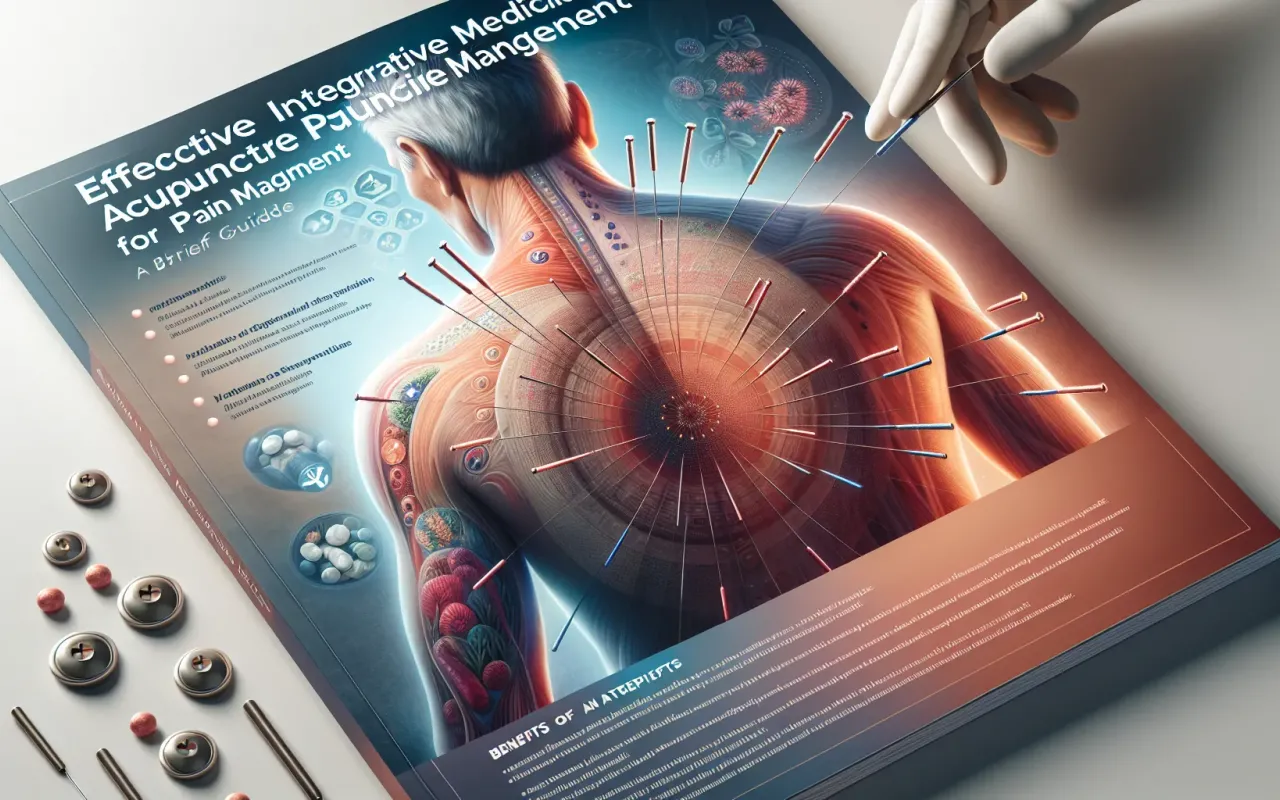
Explore how integrative medicine acupuncture for pain management can offer a holistic solution for chronic pain, providing evidence-based benefits and practical guidance.
- August 29, 2024
Chronic pain is a pervasive issue that affects millions of people worldwide. Traditional pain management methods often focus on symptom alleviation through pharmaceuticals, which can lead to dependency and side effects. As a result, many individuals are turning towards integrative medicine acupuncture for pain management as an alternative or complementary solution. This article delves into the effectiveness, mechanisms, and practical application of acupuncture within the context of integrative medicine, providing a comprehensive guide for those seeking relief from chronic pain.
What is Integrative Medicine?
Integrative medicine is an approach to healthcare that combines conventional medical treatments with alternative or complementary therapies. The goal is to treat the whole person - mind, body, and spirit - rather than just addressing the symptoms of a disease. This holistic approach often includes practices such as nutrition, exercise, stress management, and acupuncture.
Understanding Acupuncture
Origins and Principles
Acupuncture is a traditional Chinese medicine (TCM) technique that has been practiced for thousands of years. It involves the insertion of thin needles into specific points on the body, known as acupuncture points or acupoints, to balance the body’s energy or Qi (pronounced “cheeâ€). The underlying principle is that harmonious flow of Qi can promote health, while blockages or imbalances can lead to illness and pain.
Modern Understanding and Mechanisms
From a modern medical perspective, acupuncture is believed to stimulate the nervous system, leading to the release of neurotransmitters and hormones that modulate pain and promote healing. Research has shown that acupuncture can influence the production of endorphins, the body's natural painkillers, and improve blood circulation, which helps in reducing inflammation and enhancing recovery.
How Acupuncture is Used for Pain Management
Chronic Pain Conditions
Acupuncture has been recognized for its efficacy in managing various chronic pain conditions, including:
- Back pain
- Neck pain
- Osteoarthritis
- Migraines and headaches
- Post-operative pain
- Fibromyalgia
Complementary Approach
In integrative medicine, acupuncture is often used alongside conventional treatments such as physical therapy, medications, and lifestyle modifications. This complementary approach aims to enhance overall treatment effectiveness, reduce reliance on pain medications, and improve patients’ quality of life.
Benefits of Integrative Medicine Acupuncture for Pain Management
Evidence-Based Benefits
Numerous studies support the benefits of acupuncture for pain management. Key findings include:
- Reduced Pain Levels: Clinical trials have shown significant reduction in pain severity among patients receiving acupuncture compared to those receiving standard care or placebo treatment.
- Improved Functionality: Patients often report enhanced physical function and decreased disability, allowing them to participate more fully in daily activities.
- Minimized Side Effects: Unlike many pain medications, acupuncture is associated with minimal side effects, making it a safer option for long-term management.
- Enhanced Well-being: Acupuncture can improve overall well-being by addressing underlying imbalances and promoting relaxation and stress relief.
What to Expect During an Acupuncture Session
Initial Consultation
Your first visit to an acupuncturist typically involves a comprehensive health assessment. The practitioner will take a detailed medical history, discuss your pain issues, and may conduct a physical examination to assess areas of concern.
The Treatment Process
During the session, you will lie comfortably on a treatment table. The acupuncturist will gently insert thin needles into specific acupoints. The number of needles and the duration they stay in place vary based on the condition being treated. Most patients experience minimal discomfort during needle insertion and find the process relaxing.
Post-Treatment Care
After the session, it is important to stay hydrated and rest if needed. Some people experience immediate pain relief, while others may require multiple sessions to achieve optimal results. Your acupuncturist will recommend a personalized treatment plan based on your specific needs.
Finding a Qualified Acupuncturist
Credentials and Experience
When selecting an acupuncturist, it is crucial to choose a licensed and qualified practitioner. Look for credentials from reputable organizations such as the National Certification Commission for Acupuncture and Oriental Medicine (NCCAOM) in the U.S., or equivalent bodies in other countries. Also, consider seeking recommendations and reading reviews from other patients.
Consultation and Comfort
Ensure the practitioner takes the time to understand your pain concerns and treatment goals. A good acupuncturist will create a comfortable and safe environment, making you feel at ease throughout the treatment process.
Conclusion
Integrative medicine acupuncture for pain management offers a holistic and effective approach to addressing chronic pain. By combining this traditional practice with modern medical techniques, patients can experience significant pain relief, improved functionality, and enhanced overall well-being. Whether you're seeking an alternative to conventional pain medications or looking to complement existing treatments, acupuncture provides a valuable and evidence-based solution for long-term pain management. Always consult with a qualified healthcare provider to determine the best treatment plan for your specific needs.