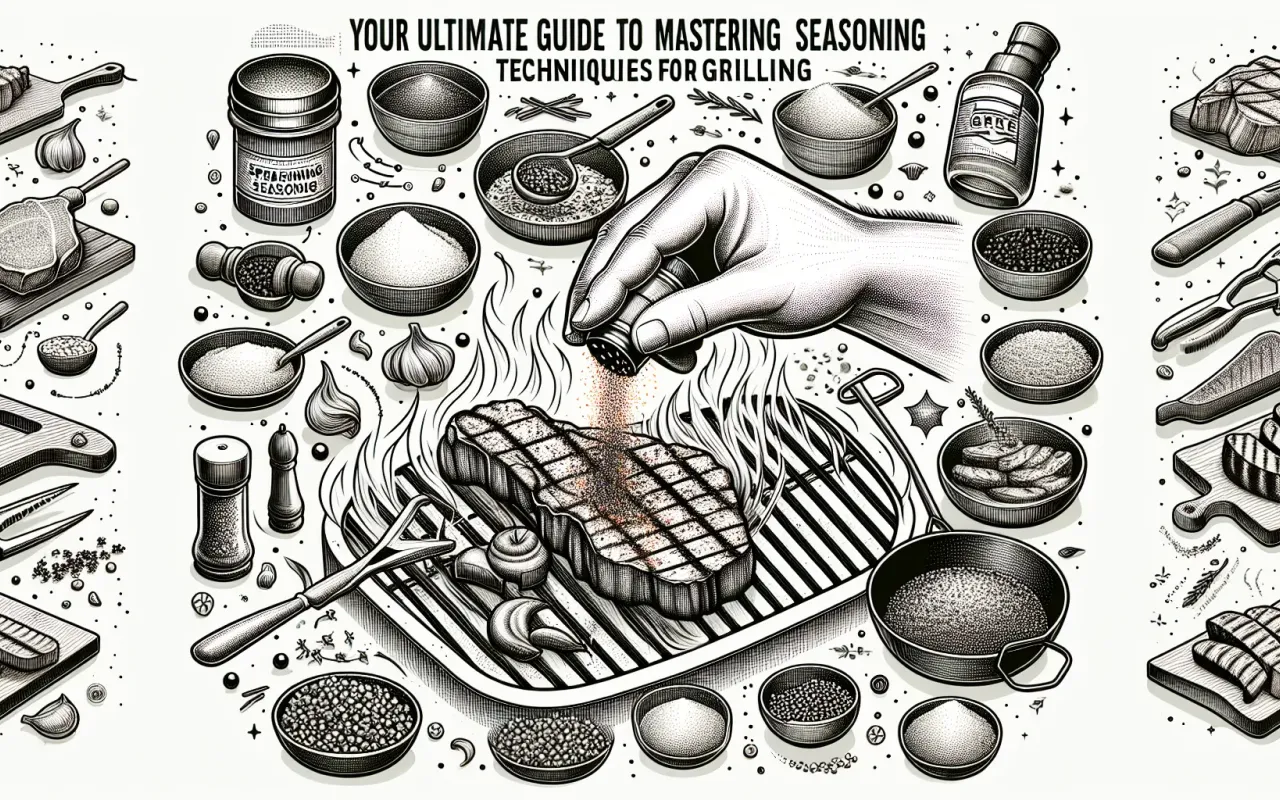
Discover expert tips and techniques for mastering seasoning on the grill. Enhance flavors, optimize seasoning methods, and achieve delicious grilling results.
- August 29, 2024
Grilling is an art that requires a blend of technique, patience, and, importantly, the right seasoning. Whether you’re a novice griller or a seasoned expert, understanding proper seasoning techniques can transform your grilling game. This comprehensive guide will walk you through essential seasoning techniques, types of seasonings, tips for different meats, and some pro-level tricks. Let's get grilling!
The Importance of Proper Seasoning in Grilling
Seasoning is the foundation of flavor in grilling. It enhances the natural taste of the food, adds depth, and can create a delectable crust known as the Maillard reaction. The right seasoning balances flavors, while excessive or improper seasoning can overwhelm the palate.
Types of Seasonings
Dry Rubs
Dry rubs are a mixture of herbs, spices, and sometimes sugar, applied directly to the meat. They create a flavorful crust on the surface. The key to a successful dry rub is balance and ensuring the meat is evenly covered.
Marinades
Marinades are liquid mixtures that meat is soaked in before grilling. They typically consist of an acid (such as vinegar or citrus), oil, and seasonings. Marinades add moisture and flavor and can also tenderize tougher cuts of meat.
Brines
Brining involves soaking meat in a solution of water, salt, and sugar, among other seasonings. This technique helps to keep meat moist and adds subtle flavors throughout the meat.
Seasoning Pastes
Seasoning pastes combine the qualities of marinades and dry rubs. They are thicker and stick to the meat well, infusing it with concentrated flavors. Ingredients often include fresh herbs, crushed garlic, and oil.
Seasoning Techniques for Different Types of Meat
Beef
For beef, particularly steaks, a simple seasoning of salt and pepper can work wonders. The key is to season liberally and early. For tougher cuts, use marinades with acidic components and allow plenty of marination time. Dry rubs rich in paprika, cumin, and brown sugar are great for ribs and brisket.
Poultry
Poultry benefits greatly from brining, which helps keep it juicy. A combination of salt, sugar, and aromatic herbs is ideal. After brining, a dry rub or seasoning paste with garlic, sage, and lemon zest can enhance flavor without overpowering the natural taste of the poultry.
Pork
Pork pairs well with both sweet and savory flavors. Consider brown sugar, mustard powder, and smoked paprika for a dry rub. For marinades, use apple cider vinegar, soy sauce, and honey. Brining is also a valuable technique for creating tender, flavorful pork chops and tenderloins.
Seafood
Seafood is delicate, requiring a light touch with seasoning. Simple ingredients like lemon juice, dill, garlic, and olive oil are perfect. Marinades should be used sparingly and for shorter periods to avoid over-seasoning.
Pro Tips for Perfect Seasoning
Seasoning Timing
The timing of seasoning is crucial. For most meats, seasoning should be done at least 30 minutes before grilling. Salt can be applied even earlier to draw out moisture, which then reabsorbs, making the meat juicier.
Layering Flavors
Layering involves using multiple seasoning methods for deeper flavor profiles. Start with brining or marinating, follow with a dry rub, and finish with a basting sauce or glaze during grilling.
Balancing Flavors
Achieving harmony between sweet, salty, acidic, and bitter flavors is key. Experiment with different combinations to find what works best for your palate and the meat you’re grilling. Remember, taste as you go!
Using Fresh and Quality Ingredients
Fresh herbs, whole spices, and high-quality salts and oils make a significant difference in the final flavor. Whenever possible, grind your spices fresh to release their natural oils and enhance their potency.
Common Pitfalls to Avoid
Over-seasoning
Over-seasoning can overpower the natural flavors of the meat. Start with less and add more if needed. Remember, you can always add seasoning, but you can’t take it away.
Uneven Seasoning
Ensure even coverage of the seasoning to avoid uneven flavors. Use your hands to press the seasoning into the meat or use a brush for marinades.
Incorrect Grilling Temperature
Proper temperature management is as important as seasoning. High heat can burn marinades and rubs before the meat is cooked through, so adjust your grill temperature accordingly based on the type of meat and seasoning used.
Conclusion
Mastering seasoning techniques for grilling is a journey of experimentation and enjoyment. By understanding the different types of seasonings, tailoring techniques to specific meats, and employing pro tips, you can elevate your grilling to new heights. Remember, the best results come from using fresh, high-quality ingredients and balancing flavors judiciously. Happy grilling!